
When it comes to caffeinated drinks, most people instinctively opt for either tea or coffee. But which one contains the most caffeine?
Caffeine is an alkaloid commonly found in food and beverages like coffee, tea, and even chocolate. It has potent psychoactive effects, and its ability to boost alertness and cognitive performance is well known. For this reason, it’s the most widely used drug in the world.
But how does coffee stack up against tea when it comes to caffeine content?

Generally speaking, coffee has a higher caffeine content than tea. A typical cup of black coffee contains anywhere from 95 to 200mg of caffeine, while a cup of black tea has about 50 to 75mg. However, this amount can vary greatly depending on the kind of tea or coffee you’re drinking.
For example, espresso shots, which are typically served in small amounts, can contain anywhere from 50 to 100mg of caffeine. On the other hand, matcha, a type of Japanese green tea, contains up to 137mg of caffeine per serving.
Experts also point out that the way tea and coffee are prepared can affect their caffeine content. For example, some research suggests that longer brewing times can extract more caffeine from tea leaves. Similarly, using more coffee grounds can also increase the caffeine content of a cup of coffee.
It’s also important to note that caffeine’s effects on the body can vary depending on a person’s sensitivity, weight, and other factors. Thus, it’s important to know your own sensitivity and avoid overconsumption of caffeine-containing beverages.
Tea vs Coffee: Taste and Aroma

In addition to the differences in caffeine content, there are also marked differences between the taste and aroma of tea and coffee. Put simply, coffee offers a stronger, bolder flavor and aroma that is often described as “robust” or “earthy”. On the other hand, tea is often described as more subtle, flavorful and fragrant. This can range from sweet and fruity flavors (e.g. white teas) to more robust and smoky flavors (e.g. black teas).
These differences mainly arise from the fact that coffee beans and tea leaves are steeped and processed in very different ways. Generally speaking, coffee beans are roasted, ground, and brewed to create the desired flavor, while tea leaves are simply steeped in hot water to release their flavor and aroma.
Which beverage you prefer ultimately comes down to personal preference. Some people may prefer the stronger, more robust flavor of coffee, while others may be drawn to the subtle and aromatic flavors of tea.
Health Benefits and Risks of Tea and Coffee
In addition to differences in taste and aroma, there are also differences in the health benefits and risks associated with tea and coffee. On the plus side, both tea and coffee contain many beneficial compounds that can have positive effects on the body.

For instance, both drinks are packed with antioxidants that can help protect cells from oxidative damage. Additionally, research has also linked coffee consumption to decreased risks of certain chronic diseases, including type 2 diabetes and heart disease.
It’s also important to note that the caffeine in both beverages can provide an energy boost, as well as improve mood, reaction time, and cognitive performance.
However, it’s important to be aware of the risks associated with overconsumption of caffeine. Studies have shown that too much caffeine can lead to jitteriness, anxiety, insomnia, and even heart palpitations.
Because of this, experts recommend limiting your caffeine intake to no more than 400mg per day. Too much caffeine can also interact with certain medications, so it’s important to talk to your doctor if you are taking any medications.
Sources of Tea and Coffee
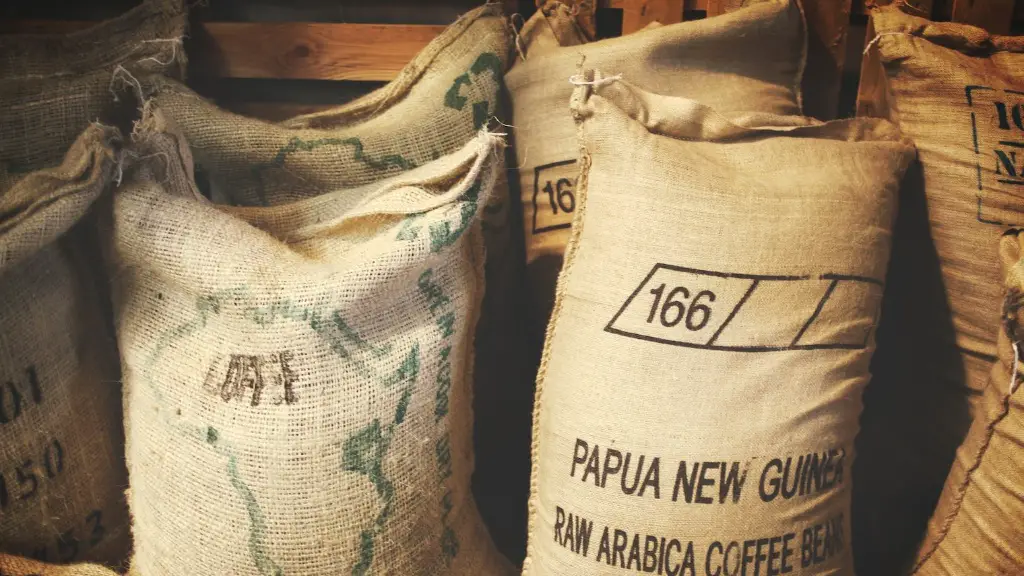
The last major difference between tea and coffee is the source of the beverage. Coffee is derived from coffee beans, which are roasted and ground to create coffee powder. On the other hand, tea is typically derived from the leaves of the Camellia sinensis bush.
These leaves can be processed in a variety of ways to create many different types of tea, from green and white teas to black and herbal teas. There are even some varieties of tea that are aged or fermented to create unique flavors and aromas.
In terms of availability, both beverages are widely available around the world, although coffee may be more popular in certain regions. In the United States, for example, coffee consumption is significantly higher than tea consumption.
That said, both beverages can be easily obtained in stores, online, and even in coffee shops and cafes.
Brewing and Preparation of Tea and Coffee
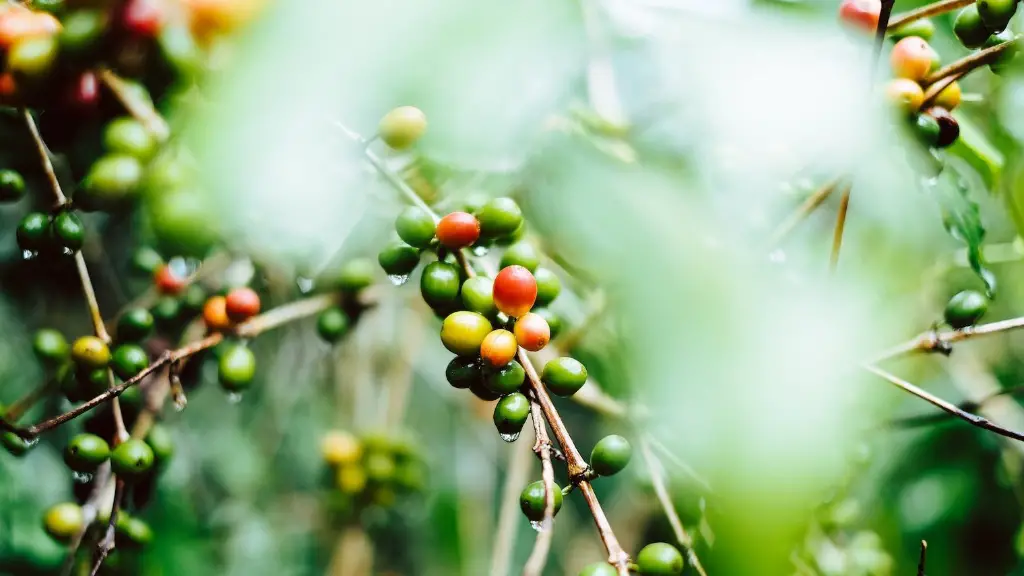
Finally, when it comes to the preparation of these beverages, brewing tea and coffee can vary significantly. Generally speaking, preparing coffee typically involves pouring hot water over freshly ground beans, while preparing tea typically involves steeping the tea leaves in hot water.
However, some people also opt to use more elaborate methods of preparation. For example, some may use a French press or a vacuum pot to prepare coffee or use a teapot to steep tea leaves for extended periods of time.
Brewing these beverages requires patience and dedication, as it takes time and skill to properly extract the flavors and aromas from the beans or leaves. However, with practice, anyone can learn how to make a cup of tea or coffee that’s perfectly suited to their own tastes.
Price and Quality
In terms of quality and cost, both tea and coffee can vary significantly. Generally speaking, coffee tends to cost more than tea, as it’s typically made with higher-quality beans and can be more labor-intensive to prepare. That said, tea can also be quite expensive, especially when it comes to special varieties like matcha or aged tea.
Ultimately, the quality and cost of these beverages will depend on the brand and ingredients used. Higher-end brands typically offer the best quality, but there are also plenty of budget-friendly options that can be just as tasty.
In addition, some specialty stores also offer a wide selection of teas and coffees from around the world. In some cases, even the most discerning connoisseur can find something that’s perfectly suited to their taste.
The Bottom Line: Tea vs Coffee
In summary, tea and coffee both offer a wide range of flavors, aromas, and health benefits. However, when it comes to caffeine content, coffee generally has more than tea. The preparation and brewing of both beverages also differ significantly, which can affect the taste and aroma of the final beverage.
In terms of availability and cost, both beverages are widely accessible, although coffee tends to cost more than tea. Ultimately, whichever beverage you choose will come down to personal preference.
