
Pregnancy is a special period full of changes and a balanced diet and proper rest are key to a successful term and the health of the unborn. However, opting to drink coffee during pregnancy may cause serious health issues. This means that not only should pregnant women limit the amount of coffee intake, but rather should completely cut it out from their diet.
Caffeine is an alkaloid found in some plants, including coffee beans, tea leaves and cocoa beans. The Food and Drug Administration (FDA) recommends that pregnant women consume no more than 200 milligrams (mg) per day. That’s about the same as one or two cups of 8-ounce (237 millilitres) of brewed coffee. But, this recommendation might not be enough: the American Congress of Obstetrics and Gynecology has advised pregnant women to limit their caffeine intake to less than 150 mg per day.
Studies show that drinking coffee while pregnant can lead to various health complications. Caffeine can cross the placenta, resulting in a newborn’s higher caffeine levels. Studies have linked a high prenatal caffeine intake to an increase in the risk of low birth weights or prematurely born babies. Both of these are linked to an increased risk of health complications later on in the baby’s life. That being said, for the best health outcomes it is important for mothers-to-be to keep their caffeine intake as low as possible.
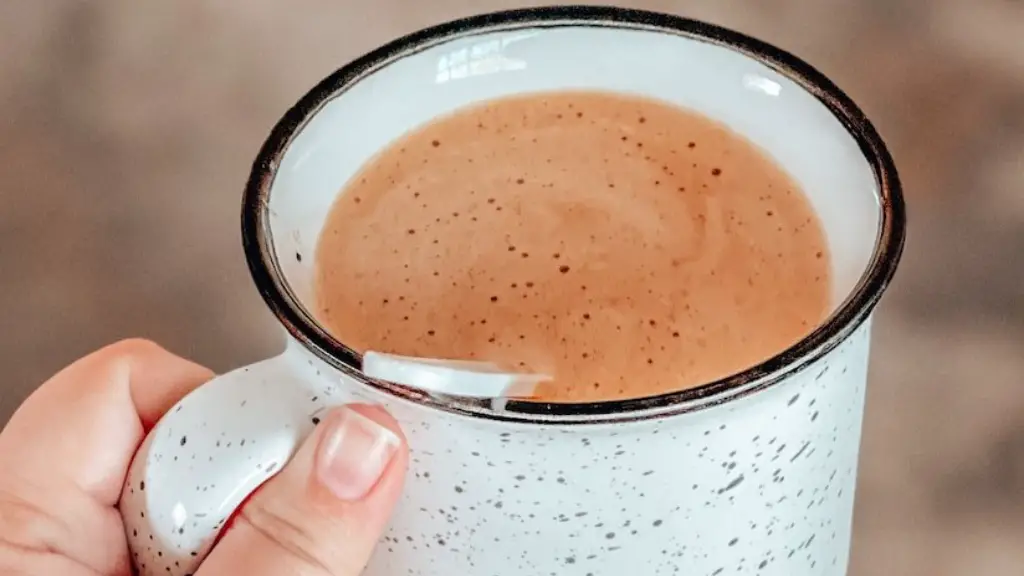
Another complication that might arise is a decrease in fertility. Studies showed that there was a higher rate of miscarriage among women who drink lots of coffee while pregnant. This can be attributed to the fact that caffeine can block small blood vessels that feed the uterus, leading to lack of oxygen and nutrients to the baby.
It is also important to realize that coffee contains substances that can sometimes be linked to various kinds of cancer, such as liver cancer, bladder cancer and even melanoma. This is why drinking coffee while pregnant increases the risk of passing these hazardous substances to the unborn child.
Finally, although the exact mechanism isn’t completely known, caffeine might hinder well-balanced calcium absorption in the body. Since calcium is absolutely essential for the development of baby’s bones and teeth, lack of sufficient amounts of it may lead to weaker bones, longer time for the baby to start walking, or even anaemia.
Is Decaf Coffee Safe?
Although decaf coffee has anywhere from 0-15 mg of caffeine in every serving, pregnant women are still advised to not drink it as it has been linked to an increased risk of leukemia in newborns. The process of removing caffeine from coffee beans involves using toxic chemicals. Even though the amounts of these chemicals in the coffee are extremely small, they can still be dangerous and detrimental to the health of the unborn child.
Alternatives to Coffee
The best and safest beverage for mothers-to-be is by far water. It has no calories, it is hydrating and can help with a lot of pregnancy-associated problems, such as morning sickness. If the pregnant woman is really craving something with a little flavor, then herbal or fruit teas are good options, as their caffeine content is very low and most of them actually provide beneficial amounts of vitamins and minerals, useful for the development of the unborn baby.
Nutritional Supplementation
The lack of coffee in the diet should not be offset with sugary drinks or artificially sweetened beverages. It is important to focus on healthier alternatives. Aim for nutrient dense beverages such as smoothies or vegetable juices. Incorporating a nutritional supplement which includes Omega-3 fatty acids, folic acid and certain vitamins and minerals, is also recommended.
Treating Caffeine Withdrawal Symptoms
Although quitting coffee is not easy, cutting it out of the diet is necessary whenever someone is expecting. But, it is understandable that coffee drinkers might experience a headache, tiredness, irritability and concentration issues when quitting coffee. To prevent and treat them, drinking more fluids, eating more fruits and vegetables, decreasing the body exposure to stressors and taking vitamin B supplements, can help.
Conclusion
Coffee contains toxic chemicals, high amounts of caffeine and other potentially harmful substances, which is why pregnant women should avoid it. Drinking coffee while pregnant can cause health complications for both the mother and the unborn child and thus, should be completely avoided. Instead, the best and safest beverage is water, and herbal and fruit teas, as well as smoothies and nutrient dense beverages can also be consumed as alternatives. Should the pregnant woman experience withdrawal symptoms after quitting coffee, increasing the intake of fluids, eating more fruits and vegetables, taking vitamin B supplements and lowering the body exposure to stressors, can help in treating them.
