
Coffee is the dynamo of the modern world. We rely on it to get us going in the morning, to provide us with energy for sports, for our daily activities, and for productivity overall. Even with all this in its favor, one of the most common complaints about coffee is that it “makes me so sleepy.” It appears that coffee should give energy, but it’s quite possible it can also have the opposite effect.
Caffeine is a stimulant, but this doesn’t mean it stimulates everyone. Depending on one’s body chemistry, for example, it could be that drinking coffee can have a sedative effect. Indeed, this is a problem that a lot of us struggle with: when you consume coffee, you expect a jolt of energy, but you instead get an unanticipated response.
Professor Corey M. Roos of the Vanderbilt University School of Medicine in Nashville found that this problem really boils down to an individual’s biology. For some, consuming coffee can lead to feeling sleepy. He explains that “the effects of caffeine on individual behavior depend on a host of variability factors, such as genetics, sex, and the context in which the caffeine is used.” That factor is important.
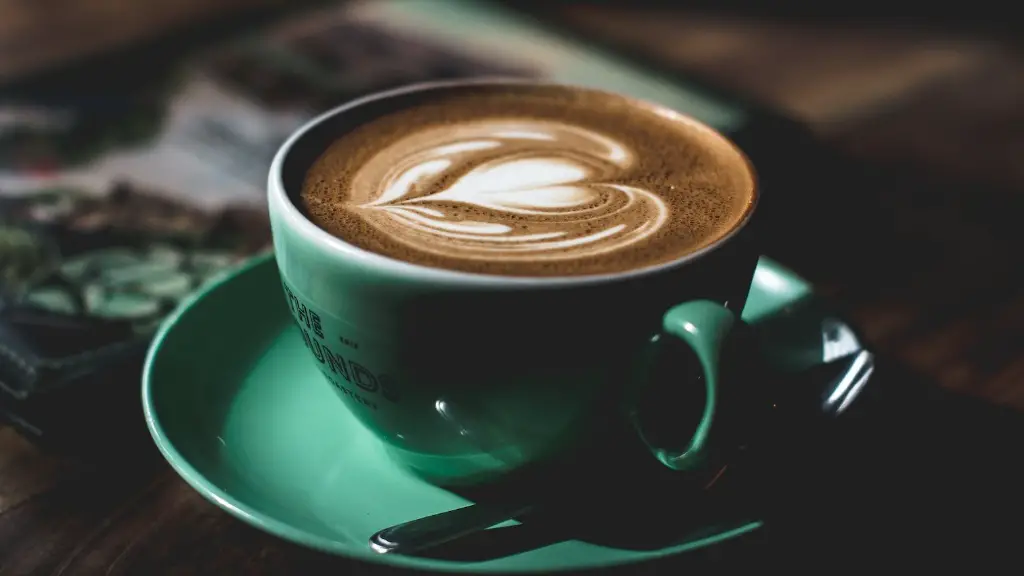
What this means for you is that you should pay attention to your own body and consider what type of response you get from caffeine. If, for example, you consistently experience drowsiness after consuming coffee, then it’s time to consider what’s going on and possible remedies.
A good place to start is to understand why you might be experiencing this. It could be that you’re consuming caffeine later in the day; that’s something you should consider.In addition, the type of coffee you’re having might be the difference. Recent findings recommend that decaffeinated coffee has been found to improve alertness and reduce fatigue.
It’s also possible that you’re drinking too much coffee. Too much caffeine can leave you feeling jittery and eventually, really tired. Researchers found that consuming just one cup of coffee per day can provide you with a moderate amount of caffeine to be effective without making you overly tired.
Finally, pay attention to how you’re taking your coffee. Some people prefer caffeinated coffee with sugar, while others may opt for an herbal tea or an espresso with no added sugar. What you are consuming affects your overall health and certainly your level of alertness.
Caffeine Sources

Caffeine isn’t just coming from coffee — today it exists in many different forms, from sodas and energy drinks to candy and chocolate. Experts say that 72% of caffeine consumption comes from coffee, tea, soft drinks, and energy drinks, but that only 18% of individuals are aware that their coffee or tea contains caffeine.
While coffee is typically what people turn to for a jolt of energy, caffeine can exist in many forms and can be consumed in small doses or large amounts. It’s also now found in supplements and pills, so it is a good idea to read the packaging and to be aware of the potential effects of these particular products.
Caffeine intake has been proven to boost cognitive performance and alertness, although when abused it can also cause negative effects. Understanding the source of your caffeine is key, as experts agree that coffee is often the safest and best way to get the boost your body needs.
Medication and Caffeine
It’s important to understand that coffee consumption can interact with certain medications. Some medications, such as those used to treat depression and anxiety, can lower the effectiveness of caffeine and increase the risk of side effects like drowsiness.

Caffeine can also interact with supplements, pain medications and certain over-the-counter drugs, leading to increased risks and side effects. If you’re taking any medications, check with your healthcare provider or pharmacist to confirm that you are safe to consume caffeinated beverages. Additionally, it’s always wise to read product labels to make sure you are aware of the caffeine levels before you consume them.
Effects of Caffeine on the Body
Caffeine works by blocking the compound adenosine, which would typically make us feel tired. By blocking adenosine, caffeine helps to keep us alert and awake. It also increases our energy levels and can even improve focus and concentration.
It also stimulates the production of other compounds in the brain such as dopamine, which is responsible for producing feelings of pleasure, as well as norepinephrine, which increases our alertness and focus. In addition, it can even help to reduce feelings of depression and improve our physical performance.
But it can also have negative effects. It can increase anxiety and cause insomnia in some individuals. Over-consumption of caffeine can lead to headaches, rapid heart rate, high blood pressure, nausea, and vomiting. Too much caffeine can also cause irritability, restlessness, and restlessness.

So if you experience drowsiness after consuming coffee, it’s important to pay close attention and make sure you’re not exceeding the recommended daily caffeine intake. Talk to your healthcare provider if you experience any of the signs and symptoms of too much caffeine, and consider reducing your intake.
Caffeine Alternatives
If you’re experiencing drowsiness after drinking coffee, but still find yourself needing the energy boost, there are several alternatives. Herbal teas such as ginger, peppermint, chamomile, and green tea are a great choice. They are lower in caffeine but can still provide that energy boost you’re looking for.
Yerba Mate is a type of herbal tea from South America that is naturally caffeinated, but with lower amounts than coffee. It contains more than 24 minerals and vitamins and is more hydrating than coffee, as well as providing a more consistent energy boost.
In addition, small amounts of matcha green tea — about 1/4 cup reconstituted — provides the same amount of energy that you’d get from a cup of coffee, but with less of a crash. It also provides health benefits such as the steady release of energy, improved concentration, and enhanced metabolism.

Finally, there are a few plant-based beverages that don’t contain caffeine but still provide a kick. Chai tea, tulsi tea, and guayusa are all great alternatives that don’t contain caffeine yet can still provide a stimulating effect.
Bottom Line – Caffeine and You
Caffeine can provide an energy boost, but it’s important to know how your body reacts to it and to find what works best for you. Start by understanding why you might be feeling tired, and consider other alternatives such as herbal teas and matcha. Above all, listen to your body and take note of what it’s telling you.
