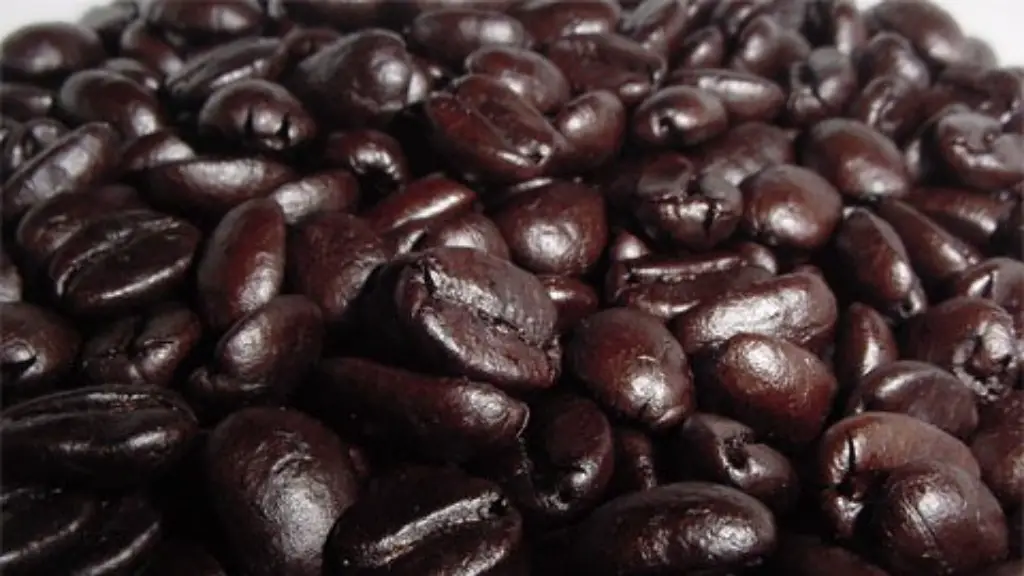
Coffee is an energizing beverage consumed by millions of people each day, and for many, it’s the first thing they drink in the morning. But why do people start off their day with a hot cup of Joe? While some of us may simply enjoy the taste or the warming effects of the fluid, many of us rely on the caffeine in coffee to get us energized for the day.
Caffeine is the most widely used psychoactive substance in the world, and it’s especially popular in the early morning hours. The stimulant has been shown to boost alertness, improve reaction time, and facilitate cognitive performance. Moreover, studies suggest that moderate caffeine consumption can also enhance physical performance, focus, and concentration. So it’s no surprise that many people look to coffee as a source of energy.
But according to experts such as registered dietitian Lindsay Smith, there are other factors that come into play. For example, “the combination of aroma, flavor, and warmth of coffee can be calming,” says Smith. “It can be a form of self-care for people, who use it to start their day with a moment of comfort and joy, regardless of the effect of the caffeine.” She adds that for some, coffee has become a comforting habit and tradition, something to look forward to in the morning.

Coffee can also play a social role in many people’s lives. For example, it’s a popular choice when friends meet up to talk before work, which can make it a valuable part of one’s social network. Plus, on a more practical level, coffee is a convenient and affordable way to get one’s caffeine fix for the day.
Of course, it’s important to keep in mind that coffee is not a miracle cure for fatigue or sleep deprivation. Studies have shown that getting enough quality sleep is essential for good health and performance, so relying solely on coffee to power one’s day is not advised. Consulting with a healthcare professional is recommended to discuss the best ways to get adequate sleep and mange daily stress levels.
Psychological Benefits of Drinking Coffee
The range of psychological benefits associated with coffee consumption have been well-researched in the past few decades. Studies have concluded that drinking coffee can lead to a feeling of positivity and a better state of wellbeing throughout the day. This is linked to enhanced alertness, improved cognitive performance, increased concentration and productivity – all factors that contribute to feelings of contentment, joy, and satisfaction.
Coffee has also been shown to improve mood and lessen feelings of anxiety, making it a go-to beverage throughout history for people seeking to relax and refuel. Some studies have even suggested that the drinks’ aroma can trigger the release of endorphins in the body, leading to a sense of inner peace and joy.
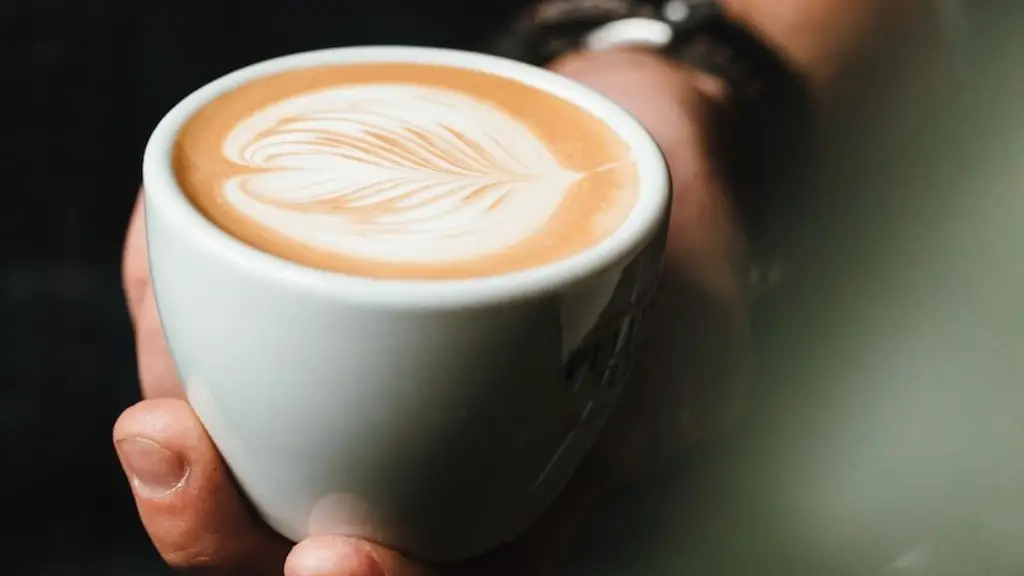
Christopher Hinson, a long-time coffee enthusiast, agrees that drinking coffee in the morning can bring about a feeling of joy and contentment. “I’ve been drinking coffee for years and it always gives me a feeling of accomplishment for the day ahead,” he says. “It also serves as a reminder of comfort and positivity that I look forward to each morning.”
Coffee’s Influence on Society
Coffee is more than just a beverage. It’s a sociocultural phenomenon that has been linked to many aspects of our lives. From political gatherings to romantic meet-ups, coffee can play a role in our relationships and personalities.
Studies have shown that our morning coffee routines can influence our personalities and shape our sense of self by setting the tone of the day. The pleasant smell, warm taste, and stimulating effects of caffeine can condition us to view the day in a more positive light, leading to sometimes subtle but significant shifts in perception, emotion, and behavior.
Coffee is also often used as a signal between people, a way of communicating with others without saying a word. A short coffee break during a business meeting can serve to increase productivity and establish a strong bond between team members. An afternoon coffee date can indicate a longing for companionship or mark the start of a new relationship. Clearly, coffee can play a meaningful role in our interactions and has a potential to shape the way we think and act.
Environmental Impact

Coffee is not a zero-impact beverage. Te production and transportation of coffee beans has a huge environmental footprint. From deforestation to water pollution, coffee production is unfortunately linked to many unsustainable practices.
However, there are alternatives. There are now a growing number of coffee brands that prioritize sustainability in the entire production chain. From organic ingredients to eco-friendly packaging, these companies are devoted to reducing their environmental impacts.
Moreover, initiatives such as Fair Trade and Rainforest Alliance are playing an important role in protecting the environment while empowering local communities in the countries of origin. By drinking Sustainable, Rainforest Alliance-certified coffee, we can both enjoy our favorite morning beverage and support ethical practices that in turn promote sustainable development.
Health Risks
While moderate coffee consumption is generally considered safe, it’s important to note that drinking too much coffee can have adverse effects. Regular drinking of large amounts of coffee can cause many unwanted symptoms such as nausea, heart palpitations, headaches, and even insomnia. Long-term excessive consumption of coffee can even increase the risk of hypertension, heart disease, and some types of cancer.

These risks are further increased when coffee is added to a diet high in sugar and unhealthy fats, so it’s important to use the beverage responsibly. Registered dietitian Lindsay Smith agrees, “It’s always important to be mindful of the amount of added sugar and fats that you’re consuming,” she says. “Coffee should be a choice that you make for yourself to help you feel your best, and the healthiest way to make that choice is to be aware of your overall diet.”
Coffee Alternatives
In the end, everyone has to make individual decisions when it comes to coffee consumption. However, especially for those who don’t want to risk the health implications of high caffeine use, there are a number of great alternatives available. Decaf coffee, herbal teas, matcha, and even adaptogenic herbs like chaga and rhodiola can help provide a great deal of the same energizing benefits without the risks.
In conclusion, while the jury is still out on some of the risks associated with coffee drinking, it’s important to remember that moderation is key. Coffee has the potential to make us feel energized, joyful, and connected, as long as we use it in a responsible way.
