Coffee is an essential part of many people’s daily routine. Whether you’re a college student or professional, a morning cup of coffee can help jump start the day. However, for some people, their morning cup of strong coffee can leave them with an uncomfortable stomach ache afterwards. Many people suffer from stomach cramps and upset stomach after drinking coffee, so why does this happen?
Stomach pain after drinking coffee is usually the result of brewing methods, sensitivity to acids found in coffee, and the caffeine content. Let’s look at each of these factors to understand why stomach pain may occur.
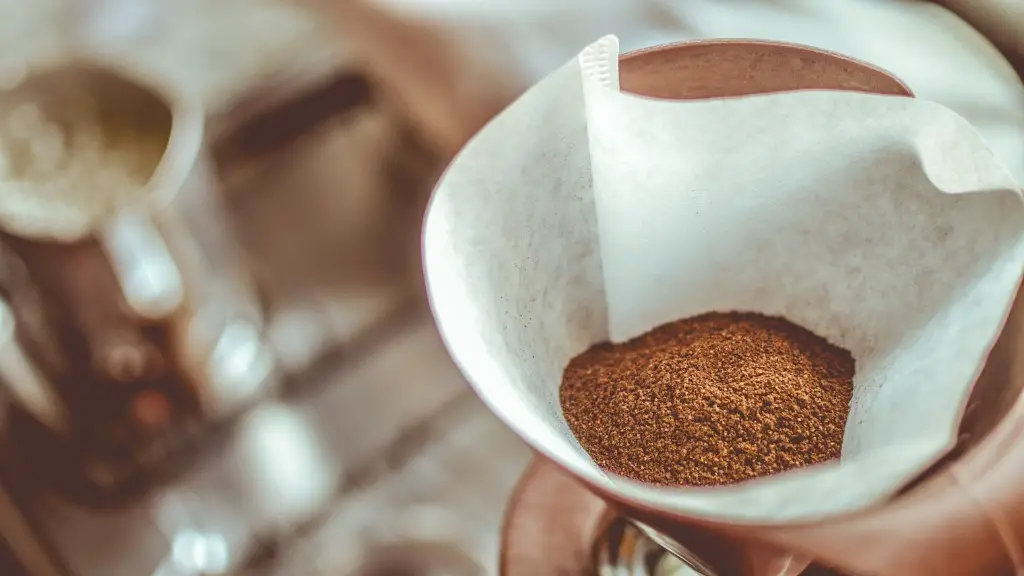
First, traditional brewing methods use hot water to extract the oils that give coffee its flavor. Hot water also has the potential to extract more of the tannins from the beans which can cause an unpleasant bitter taste. These excess tannins become volatile when exposed to heat and can cause an upset stomach.
Secondly, coffee is known for containing acids, including chlorogenic and citric acid, which can be quite hard on the stomach. For sensitive individuals, these acids can cause irritation to the stomach resulting in nausea, stomach pain, and diarrhea.
Caffeine Sensitivity

Thirdly, some people are more sensitive to caffeine than others. Caffeine acts as a stimulant and can speed up digestion, causing increased acid production in the stomach and a rise in stomach acidity. A lower pH in the stomach often results in a burning sensation and can be accompanied by cramping in the stomach.
Reduce The Pain
There are several things you can do to reduce the amount of stomach pain after drinking coffee. If you are using a traditional filter brewing method, you can reduce the amount of time the water is exposed to the grounds by reducing the brewing time. Aim for a shorter brewing time of a few minutes to reduce the amount of tannins and acids released.
You can also try using a cold brew method. Making a cold brew uses room temperature or cold water so the tannins are not extracted from the beans. Cold brew coffee can taste smoother and won’t release as many of the acids associated with an upset stomach.
If you’re particularly sensitive to caffeine, you can try opting for a decaffeinated coffee. Decaf coffee still contains a small amount of caffeine, but less than regular coffee. You can also choose to reduce the amount of coffee you consume each day.
Herbal Coffee Alternatives

Finally, if your stomach can’t handle coffee, no matter what method of brewing you use, it might be best to switch to an herbal coffee alternative. Many of these contain herbs such as chicory and dandelion root and are caffeine-free. Herbal coffee can offer a similar taste and aroma to regular coffee without the side effects on your stomach.
Switch To Tea
Coffee isn’t your only option for a hot morning drink! If you switch to an alternative beverage like tea, you may find that your stomach can better handle the beverage without any issues. Black and green teas contain caffeine, but a far lower amount than coffee. You could also try herbal teas such as ginger tea, rooibos tea, or chamomile tea, which are caffeine-free.
Bland Foods
In addition to drinking coffee, it’s important to consider what other foods you’re swallowing with your morning cup of joe. Eat a bland diet of toasted bread, crackers, oatmeal, and bananas to avoid further irritation. Avoid acidic foods such as orange juice, tomatoes, and pineapple which can make the coffee even harder on your stomach.
Gut Microbiome
Some researchers have suggested that the gut microbiome may play a role in coffee-related stomach pain. The gut microbiome is the collection of bacteria present in the gastrointestinal system and plays an important role in overall health. It is possible that the bacteria in the microbiome are more sensitive to coffee than other individuals and may be more likely to cause an upset stomach. Therefore, a balanced gut microbiome may be key in reducing the chances of developing stomach pain after caffeine.
Further Research
Coffee can absolve different effects in different people. Therefore, if you are affected by an unpleasant stomachache after drinking coffee, we recommend trying different brewing and alternative methods to find out what method works best for you.
Supplements
For some people, an upset stomach after coffee can be soothed with the addition of certain supplements to their diet. Taking digestive enzymes with your coffee can help breakdown the acids in the beverage and ease the pain in the stomach. Probiotics can also help to create a more balanced gut microbiome which may help to reduce stomach pain as well as other health benefits.
Expert Advice
If you are still experiencing stomach pain after consuming coffee, speak to your doctor. They can provide you with further advice such as lifestyle and dietary changes that may help or can refer you to a specialist for further tests.
