
Fasting has become increasingly popular in recent years. Many people are drawn to the benefits of intermittent fasting and the potential health benefits it could bring. One of the most common questions that arise when talking about fasting is ‘can you drink coffee with cream while fasting?’ and the answer is yes – with some precautions. Let’s take a closer look at what coffee with cream during fasting looks like and what the experts say.
Coffee is always a great start to a fasted morning. Not only does it taste great, it also has some health benefits. Studies have shown that coffee can help to boost your metabolism, burn fat, and improve your concentration. Coffee also has antioxidant benefits, which can help protect your cells from damage. However, when it comes to coffee during fasting, it’s important to think about what you’re adding to it.
When it comes to caffeine during fasting, it’s important to keep consumption moderate. Caffeine can raise your insulin levels, which can put a stop to the fasting process and undo any benefits of it. This is why it’s best to go for black coffee without any added sugars. As for cream, it’s important to be aware that cream has calories and, in certain amounts, can stop you from fasting. Therefore, when looking to have coffee with cream during fasting, it’s important to be mindful of the amount of cream you’re adding.
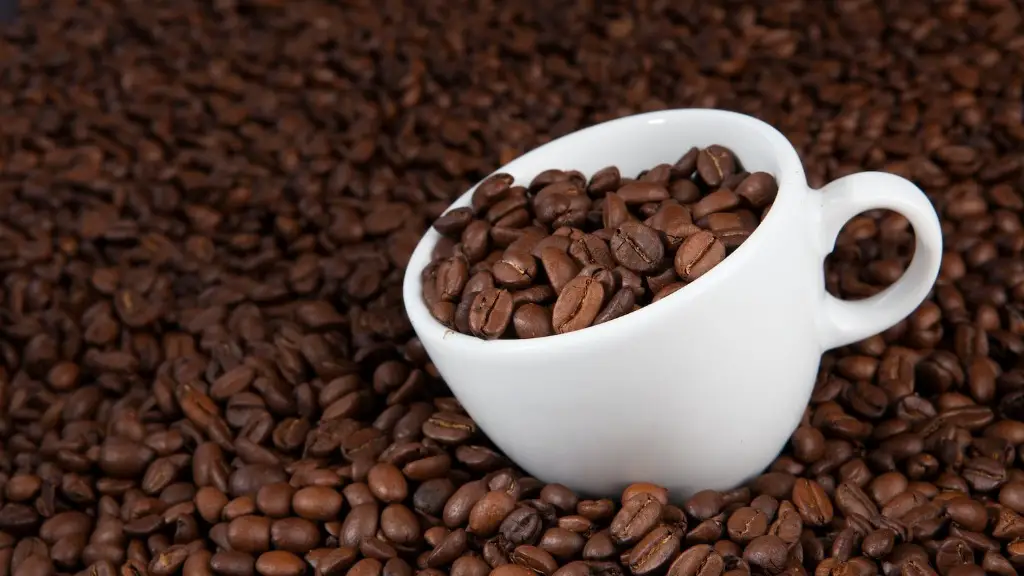
Experts suggest that if you’re going to add cream to your coffee while fasting, it’s best to use a small amount – such as a teaspoon – to make sure you’re still in a fasted state. This small amount is unlikely to have a major effect on your fasting insulin levels, but if you’re going to use more than a teaspoon, it’s best to opt for a non-dairy alternative, such as oat milk or almond milk instead. These are much lower in calories and still add a creamy texture to your coffee.
Finally, it’s important to note that not everyone’s metabolism is the same. Some people can handle more calories than others without disrupting their fast. As with anything, it’s important to experiment and see what works best for your body. Everyone’s body responds to food differently and the best thing to do is to listen to your body and adjust your pattern according to what works best for you.
Other Benefits
Intermittent fasting can have a range of health benefits. Research suggests that it can help improve one’s metabolic health and reduce inflammation. Studies have also found that it can help to reduce blood pressure, cholesterol, and body fat, as well as improve insulin sensitivity. In addition to physical health benefits, it can also help with mental clarity and improved focus.
Fasting can also help to reset your eating patterns. Oftentimes, due to our busy lives, we can find ourselves reaching for unhealthy foods or eating unhealthy habits out of convenience. But by taking a few fasted days, you can reset your eating habits and get back in the routine of healthy eating.

Finally, fasting can be an excellent tool for weight loss. By cutting out snacks, meals, and certain food groups, you’re creating a calorie deficit which can lead to weight loss. This can be great for those trying to lose weight, especially those that have a slow metabolism.
Risks of Fasting
Despite the potential benefits of fasting, there are some risks associated with it. For instance, fasting can have a negative impact on your cortisol levels, increasing stress and causing fatigue. It can also lead to weakened immunity, as your body is likely to be in a state of caloric deprivation. Finally, fasting can lead to nutrient deficiencies, as you’re likely to be cutting out a range of food groups.
For these reasons, it’s important to never skip meals or fast for extended periods of time. This can have major consequences on your health. Instead, it’s best to start with a few fasted days and then increase your fasted days as you get more comfortable with the process.
Finally, it’s important to remember that, while fasting can be beneficial, it isn’t meant to be a long-term solution. It’s best to use it as a tool to reset your eating habits and get back in the routine of healthy eating.
Fasting and Coffee with Cream

We can see that, while it is possible to drink coffee with cream while fasting, it’s important to be mindful of the amount of cream you’re adding. It’s best to use a small amount – such as a teaspoon – to make sure you’re still in a fasted state. If you’re going to use more than a teaspoon, it’s best to opt for a non-dairy alternative, such as oat milk or almond milk instead. Remember, it’s always best to listen to your body and adjust your pattern according to what works best for you.
Fasting and Exercise
When it comes to fasting, it’s important to make sure that you don’t overdo it. Exercising while fasting can put a lot of strain on your body, so it’s best to stick to light exercise such as walking, swimming, or cycling. Heavy lifting and long-distance running should be avoided. It’s also important to keep hydrated, as your body is likely to be in a state of dehydration during fasting.
Additionally, it’s important to make sure that you replenish your energy stores properly post-workout. Eating within 30 minutes of a workout is ideal. Fasting post-workout isn’t necessarily harmful, as long as you make sure you’re drinking enough fluids and consuming some nutrients. It’s best to stick to lighter meals however, such as smoothies or oatmeal.
Ultimately, it’s important to listen to your body and adjust your pattern according to what works best for you. Everyone is different and what works for one person may not work for another.
Optimal Fasting Times

When it comes to fasting, timing is key. The optimal time to start fasting is after dinner and before breakfast. This allows your body to start the fast in a fully digested state, and gives your body time to start breaking down its energy reserve stored in the form of fat. This means that your body is more likely to enter a prolonged state of fat-burning for the duration of the fast.
It’s important to note that different people will have different fasting periods depending on their lifestyle, metabolism, and individual needs. Some individuals may benefit from shorter fasting periods of 12-14 hours, while others may benefit from longer fasts of 16-18 hours. Experimenting with different fasting times can help you find the best one for you.
Nutrient Intake During Fasting
Nutrient intake is an important part of any diet, and is key to maintaining your health while fasting. Fasted meals should be packed with essential vitamins and minerals, as well as anti-inflammatory compounds such as omega-3s. Nutrient-rich foods such as vegetables, fruits, nuts, and healthy fats can help to keep your body nourished during a fast.
While it’s important to make sure you’re getting enough nutrients, it’s equally important to make sure that you’re not over-consuming. High-calorie meals can disrupt the fasting process, and undo any benefits of it. This is why it’s best to stick to smaller, nutrient-dense meals during a fasted period and save the larger meals for after your fast is complete.

Finally, it’s important to remember that fasting shouldn’t be used as a weight-loss tool. It’s best to view it as a reset tool, and use it to help you get back on track with healthy eating habits. By finding a balance between fasting and healthy eating, you’ll be able to achieve optimal health and wellness.
