
Effect of Coffee During Pregnancy
Many pregnant women are still unsure of just how much coffee is too much when it comes to safeguard their health and the health of their future baby. In experts’ opinion, it is still widely unknown just how much caffeine pregnant women can safely consume. It is widely known that drinking coffee while pregnant has certain negative effects and should be avoided.
Due to the high levels of caffeine present in different coffees, it has been proven that there is a risk of affecting the baby’s heart rate, development, and growth. What’s more, caffeine can cross the placenta and enter the baby’s bloodstream. This can make the baby’s heart rate go up, disturb the baby’s sleep, as well as alter its metabolism. If too much caffeine is consumed, it can even cause a miscarriage.
Doctors and experts have been studying the effects of coffee on pregnancy for a long time, yet the definitive answer still remains a mystery. Recent studies have indicated that consuming moderate amounts of coffee during pregnancy should be okay, yet some medical professionals suggest avoiding coffee altogether. According to the American College of Obstetricians and Gynaecologists, caffeine consumption during pregnancy should be limited to less than 200mg a day.

Apart from the risks that coffee can have on the baby’s development, researchers have also established a connection between coffee consumption and preeclampsia. This is a condition characterized by high blood pressure, that is more likely to happen in pregnant women who drink more than 2 cups of coffee per day. High blood pressure when pregnant can have serious effects and this is why pregnant women are recommended to limit coffee consumption, and if possible, avoid it altogether.
It is all too easy to become dependent on coffee when heavily pregnant due to exhaustion and fatigue, yet it is important to be aware of the risks. Even though coffee can provide pregnant women with a burst of energy, the crash that follows can be dangerous. As a result, the best solution is often to reach out for health food or non-caffeinated drinks. Pregnant women should also try to maintain a healthy lifestyle which includes regular exercise, proper nutrition, and plenty of rest.
Alternatives to Caffeine During Pregnancy
With the dangers of coffee pregnant women may ask themselves, “What alternatives can I have to coffee?” Fortunately, our world has plenty of natural and healthy options for those seeking an alternative. Herbal teas are one of the best options for pregnant women. Different herbal teas have different tastes and can also provide health benefits. For example, peppermint tea is calming and can help with morning sickness and nausea. Ginger tea is great for improving digestion, and chamomile tea can help with relaxation and sleeping.
If you’re really missing the taste and aroma of coffee, there are also decaffeinated coffee options available. These can often be found in many nearby stores and come in different flavours, just like regular coffee. Some contain a small amount of caffeine, whilst others are entirely caffeine free. Decaffeinated coffee can provide the same taste and aroma as regular coffee, but without the risks associated with caffeine consumption.

Alternatively, you could opt for healthy food and smoothies to help you reinvigorate your energy during pregnancy. Nutritious foods and smoothies provide optimal nutrition that caffeine can never replace. Baked apples, smoothie bowls, fruits, and vegetables are all great examples of snacks and meals which can energize you and keep your health in check throughout your pregnancy.
Managing Fatigue During Pregnancy
Pregnant women often face fatigue, especially during the first and third trimesters. It is important to make sure you get enough rest, eat frequently and smaller portions, and move throughout the day. Caffeine may seem like a good way to provide you with an energy boost, however– as we have seen– it is best to avoid it as much as possible during pregnancy.
Pregnant women should not underestimate the power of exercise to help manage fatigue. Even mild exercises like walking, swimming, or yoga classes can make a tremendous difference in increasing energy and feeling refreshed. Taking the stairs instead of the elevator, and taking a few minutes’ break to stretch or go outside are other trivial activities that can make a great difference in your energy levels.
Daily naps can also be very helpful during pregnancy. A short nap of about 1–2 hours a day usually makes a big difference and can help prevent you from getting exhausted during the day. Pregnant women should ensure to always try to get plenty of early and quality sleep, as a good night’s rest can work wonders in rejuvenating energy.
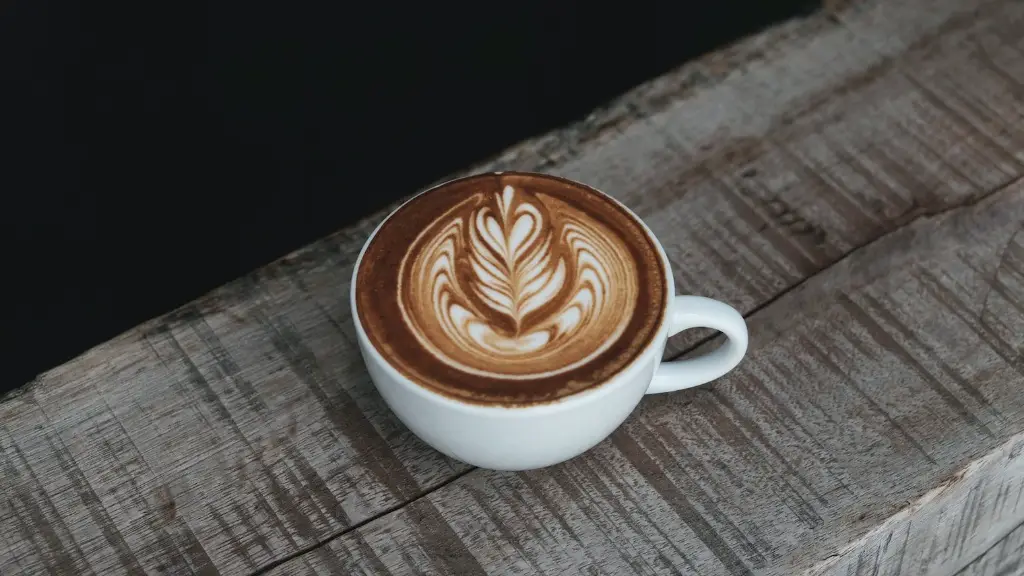
On the whole, understanding the risks of drinking coffee while pregnant is important. With the potential risks of coffee consumption and high levels of caffeine, an alternative should be sought. From herbal teas, decaffeinated coffee, food and smoothies, to exercising and resting, there are plenty of options available to fill the energy gap caused by pregnancy.
Effects on Sleep Quality and Baby Growth
Caffeine consumption during pregnancy can also lead to poor-quality sleep and this can itself be detrimental to the health of the mother and the baby. Sleep is essential to maintain good energy levels and focus, and when missing it can impair essential daily activities. Not getting enough sleep can also lead to a decrease in baby growth, as the baby may not be receiving enough nutrition needed for proper development.
Besides problems with sleep quality, one of the main side effects of caffeine during pregnancy is that it can cause disruptions to the baby’s growth and development. The baby’s heart rate can be affected by the increased caffeine intake, which can lead to disturbances in their sleep patterns and metabolism. Caffeine can also reduce the baby’s supply of iron and calcium, which can lead to iron deficiency and hindered development of the baby’s bones.
The amount of caffeine a pregnant woman consumes can also affect breast milk production. Consuming a big amount of caffeine can lessen the baby’s intake of important nutrients, such as iron, calcium and zinc. It is recommended to cut caffeine intake while pregnant and while breastfeeding in order to ensure that the baby is getting the best nutrition possible.
Effects on Placenta and Babies Development

Caffeine can pass straight through the placenta and directly into the baby’s bloodstream. This means that the baby’s heart rate and other vital organs can be affected, leading to potential health complications. Caffeine can also stop nutrients from reaching the baby, which can lead to stunted development of both the placenta and the baby itself.
The placenta’s purpose is to provide oxygen and nutrition to the baby, and if something like caffeine interrupts those processes it can affect the baby’s growth. Too much of this can lead to the baby suffering from physical and mental growth problems. Caffeine also slows down the absorption of iron of pregnant women, which can lead to anemia.
Pregnant women should also be aware of the risk of consuming sugary and caffeinated drinks while they are pregnant. This can raise their blood pressure and lead to gestational diabetes, where the insulin production in their brain is affected. This can lead to potential consequences for their baby’s development.
Importance of Healthy Nutrition for Pregnant Women
It is important for pregnant women to have a balanced and nutritional-rich diet, which should include all the essential vitamins and minerals that the baby needs to develop. This is one of the best ways to protect against potential pregnancy complications. Eating foods that are rich in fiber and consuming enough water are also essential to ensure that mother and baby stay healthy.

Women who are pregnant should always consult a medical professional when it comes to nutrition and food safety. A doctor can help you understand which foods to avoid and which dietary improvements need to be made. Additionally, it is very important to be aware of the ingredients in certain food products and drink. Gluten, as well as different preservatives or additives, can be very dangerous when consumed while pregnant, as they can lead to negative side effects.
The benefits that a balanced diet bring during pregnancy are invaluable when trying to keep the mother and baby healthy. Eating right, engaging in light exercise, and getting the right amount of rest will give the mother and baby peace of mind.
