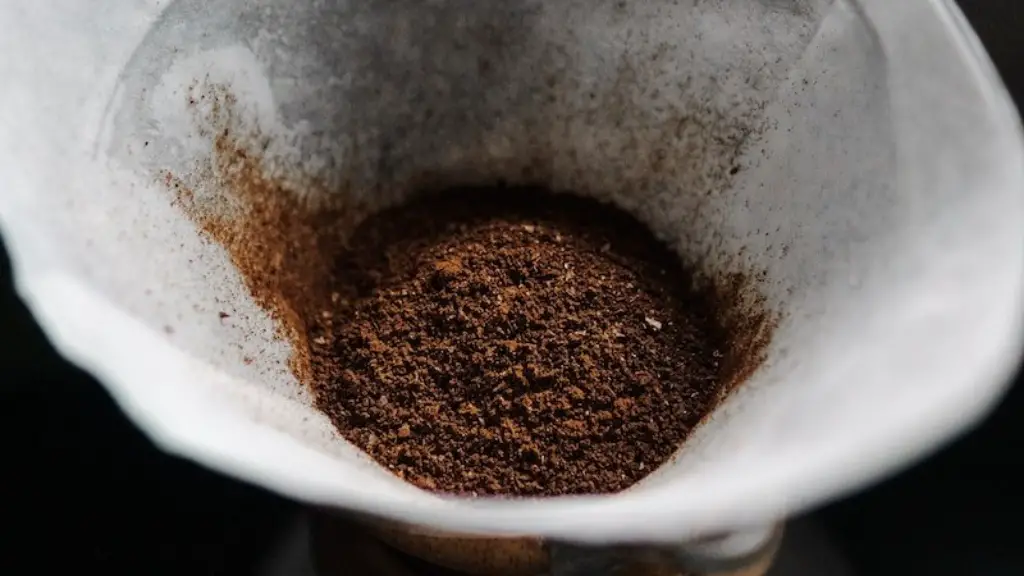
Coffee enthusiasts have become more conscious of the quality of coffee, desiring to go beyond the standard coffee shop option and search for specialty coffee drinks that are ethically grown and produced. According to the Specialty Coffee Association of America, sales of specialty coffee beans, coffee drinks, and related products have grown by 20 percent, while the National Coffee Association has reported sales of premium coffee beans have grown by 80 percent since 2012.
There are many different kinds of coffee drinks, ranging from mochas, espressos and lattes. In addition to regular black coffee, coffee aficionados are also adding special ingredients to accentuate their coffee experience, such as herbs, spices, and alternative milk sources.
Coffee drinking has become not only a lifestyle but also a form of art. From the way the coffee is roasted, to the choice of beans and the type of milk that is used, individuals are making coffee their own.
The latest trend in coffee drinking is cold brew coffee. It has become increasingly popular with coffee enthusiasts for its smooth flavor and reduced acidity. The cold brew process involves steeping the ground beans in cold water over a 12 to 24 hour period allowing the flavors of the bean to develop. The end result is a smooth and subtly sweet beverage.
Coffee drinking has become a form of therapy for many people. People turn to coffee in times of stress, sadness, boredom, or when they want to celebrate. Drinking coffee helps people interact and connect with the world around them.
Psychological Benefits of Coffee
Coffee has beneficial psychological effects. Studies have shown that drinking two to four cups of coffee can reduce the severity of depression. The caffeine in coffee improves mood, alertness, and focus. It can also reduce fatigue. In addition, coffee stimulates motivation and increases brain function, making it an important part of any learning process.
Coffee can also help reduce the risk of developing dementia or Alzheimer’s disease. According to a study that was published in the Journal of Alzheimer’s Disease, those who drank three to five cups of coffee a day were 65 percent less likely to develop the disease than those who drank no coffee.
Finally, coffee can help reduce stress. A study from the American Psychological Association found that people who drank coffee experienced lower levels of cortisol, which is a hormone that is linked to stress.
Physical Benefits of Coffee
Coffee drinkers benefit from a wide range of physical benefits. Studies have found that drinking coffee can reduce the risk of type two diabetes, stroke and heart disease.
Coffee can also help improve physical performance. According to a study that was published in the International Journal of Sport Nutrition and Exercise Metabolism, caffeine can increase both strength and endurance. It can also reduce pain during exercise and reduce fatigue, which can increase performance.
Additionally, coffee may help prevent Parkinson’s disease. Studies have found that drinking coffee can reduce the risk of developing the disease by up to 60 percent.
Finally, coffee may also promote weight loss. A study that was published in the International Journal of Obesity found that those who drank coffee before exercise experienced greater levels of energy and fat burning.
Environmental Benefits of Coffee
Coffee has many environmental benefits. Studies have found that consuming coffee can help mitigate the effects of carbon dioxide, which is a major contributor to climate change. Additionally, coffee growing can help preserve the environment by creating employment for local farmers and reductions in poverty for their communities.
Coffee growing also reduces the demand for animal agriculture, which is a significant source of deforestation. Global Forest Watch estimates that up to 25 percent of deforestation is caused by unsustainable farming practices.
Coffee is also beneficial in that it is 100 percent biodegradable and compostable. If the coffee grounds are added to the compost pile, they provide beneficial nutrition to other plants.
Finally, consuming coffee has a much lower carbon footprint than other popular beverages, such as beer and hard alcohol, due to the fact that it requires much less energy and resources to produce.
Ethical Considerations of Coffee Consumption

As with any commodity, ethical issues arise when it comes to coffee. Poor wages and labor practices have plagued low-cost coffee production for years. Unfortunately, some companies have decided to source their coffee from plantations that employ forced and exploitative labor practices.
There are also ethical issues related to the effects of coffee production on the environment. Poor agricultural practices, such as the use of chemical fertilizers, can have serious impacts on ecosystems and local water sources. Additionally, the pesticides and herbicides that are used in coffee production can cause health problems for those who are exposed to them.
Despite these issues, there are companies that are committed to ethical practices. These companies source their beans from sustainable, organic, and fair-trade sources. Additionally, there are initiatives in many countries to support ethical coffee production, such as the Sustainable Coffee Challenge.
Health Considerations of Coffee Consumption
Coffee can provide many health benefits, but it can also have negative effects. Firstly, it’s important to note that coffee contains caffeine, which can cause anxiety, heart palpitations, and insomnia in some individuals.
Additionally, coffee can also lead to sugar and calorie overload if additives, such as sugar, syrups, or whipped cream, are added. Also, while coffee can reduce the risk of heart disease and stroke, it can also increase cholesterol in some individuals.
Finally, coffee can cause stomach upset in some individuals, as the acids in the coffee can irritate the stomach. It is also possible to develop an allergy or sensitivity to coffee.
Despite these potential negatives, drinking coffee in moderation can bring many health benefits. Ultimately, it is important to be aware of the potential risks associated with coffee consumption and make an informed decision.
Conclusion
Coffee has been part of human culture for centuries and it has become an integral part of many people’s lives. There are numerous benefits to coffee drinking, ranging from the psychological to the physical and environmental. However, it is important to be aware of the potential risks associated with coffee consumption and to make an informed decision when it comes to drinking coffee.
