
The Effects of Caffeine on Sleep Patterns
Caffeine is a widely consumed stimulant, and it’s most commonly found in coffee. While some people love coffee’s energizing effects and even use it to stay awake and alert, there are many people whose body reacts differently to it. For this group, coffee actually makes them sleepy after drinking it.
A recent study by the National Institutes of Health found that caffeine intake delays sleep onset and reduces sleep duration. After extensive tests, researchers revealed that although it may make us feel more alert, caffeine actually reduces the effectiveness of our sleep.
Caffeine acts as a stimulant to our brain by blocking adenosine, a hormone produced within our body. This hormone usually works to make us feel sleepy, but causes our energy levels to drop. When caffeine replaces this, it can cause “short-term increases in alertness, vigilance and psychomotor speed,” according to Miller Mouilso, MD.

The reaction of caffeine is determined by the individual’s sensitivity to the drug. Sensitivity differs by individual, and therefore, coffee has different effects on everyone. Experts believe some people can drink coffee without having any sleep-disrupting effects, while for others, even one cup can interfere with their sleep patterns.
Heavy coffee drinkers also have higher chances of experiencing sleepiness after drinking it. Regular caffeine consumers are more prone to building up a tolerance to the stimulant. Miller Mouilso stated that the higher tolerance to caffeine we have, the longer it takes for us to feel its effects.
In order to mitigate the effects of caffeine on our sleep schedule, it is important to stay aware of our caffeine intake. Most health experts recommend consuming 400 milligrams of caffeine a day. Kadyn McLeod, a nutritionist and personal trainer, said that anything more than that may interfere with “restful, quality sleep” that our bodies need to restore our energy.
The best way to go about this is to collect the data needed to get a better understanding of our own personal reaction to the drug. Keeping a caffeine diary can help us find out what time of day is the safest time to drink coffee, and how much caffeine our body can handle before it starts affecting our sleep.
Caffeine Withdrawal
When it comes to quitting caffeine, many don’t realize how hard it can be to reduce its use. According to William Smith, an addiction counselor and the executive director of Connections for Change, caffeine withdrawal can bring on intense physical effects. These can include headaches, nausea, fatigue, difficulty concentrating, and irritability.
Smith said: “Caffeine is capable of affecting neurotransmitters in the brain like serotonin, dopamine and norepinephrine, which can lead to feelings of alertness, focus and energy.” Once this cycle has been set up and someone becomes hooked on caffeine, it can be very hard to quit.
The amount of caffeine that people are consistently consuming can vary based on the context, whether it’s for a job, a sport or an academic course. William Smith noted that caffeine consumption can turn into an “involuntary habit,” which requires help to change.
Smith suggested that if someone is serious about quitting or cutting down on caffeine, they should consider talking to a treatment center that specializes in addiction recovery. Professional help can focus on underlying issues, explore alternative coping mechanisms, and offer insight and support to target dependence.
The Power of No

William Smith also reminded us that it is not just health benefit that come from reducing caffeine consumption. He pointed out that by cutting back on our coffee intake we can challenge ourselves, learn more about our addictions and take real action to take control of our own life.
Smith said: “We can create a pathway to self-sufficiency and winning the battle against a daily caffeine habit and addiction.” He added that it is simply the power of “no” that can be used to combat any impulses or cravings and push ourselves to achieve larger goals.
Kadyn McLeod concurred with Smith, adding that reducing caffeine consumption is an important step for management of any toxin that is in our lives. She said that by doing so, we can “increase our ability to listen to our body, recognize cravings and understand triggers that entice us.” Managing our caffeine dependency can make us feel empowered and in control of our own lives.
Caffeine Alternatives
While quitting caffeine is not easy, there are ways to replace our coffee with other, more natural stimulants if we find ourselves addicted to its effects. Ayurvedic teas, some of which have been used for centuries, have amazing energizing effects. Shilpa Arora, an ayurvedic practitioner, said “these herbal blends act as energy boosters, stress relievers and mood enhancers.”

Additionally, Arora noted that these blends are known to improve focus, mental clarity, and resolve any sleep issues. She also pointed out that this caffeine-alternative not only provide us with a way to become more energized without having to consume coffee, but also provide us with a great combination of health benefits.
Natural remedies such as green tea and herbal teas are considered healthier than coffee and do not interfere with our sleep as much. These beverages are rich in antioxidants which can improve our overall health. Health experts say that yogurt and whole-grain cereals with nuts and fruits also provide a good boost of energy with no crash and no sleep disruptions.
Organic Sources Of Caffeine
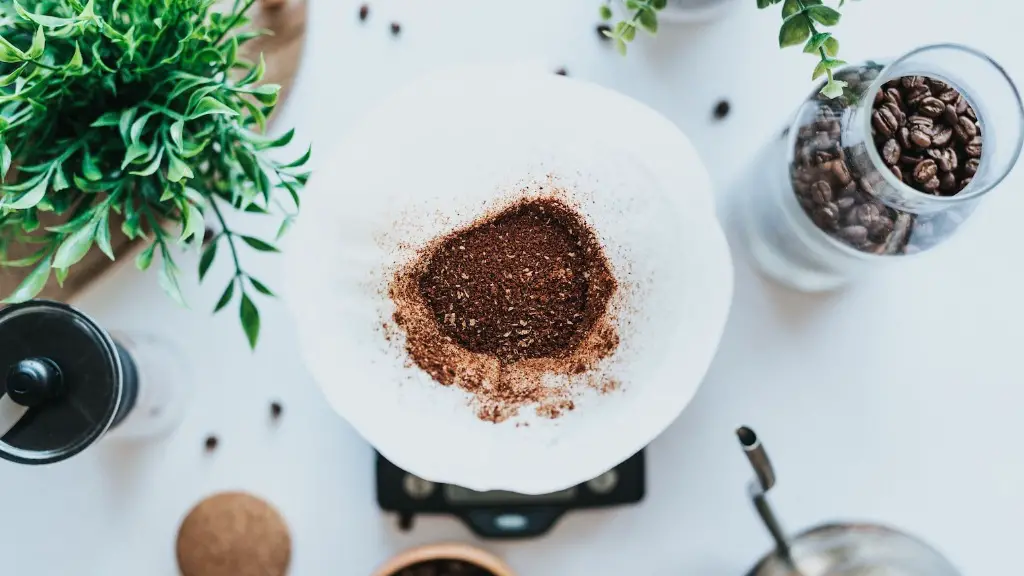
If someone is determined to consume coffee to get the energy they need to go through the day, they can opt for organic sources of caffeine. Organic coffee is made of natural ingredients, free of harmful chemicals, growth hormones and fertilizers.
Organic coffee is certified to contain no pesticides which not only affects the health of consumers but of farmers as well. Additionally, organic coffee is shade grown as to preserve and protect the habitats of the civets and other animals, who are natural carriers of this stimulant.
Organic cola, another option for people, is made from natural ingredients with no added preservatives or substances. Rebecca Miller-Webster, a biochemical engineer, insisted it is one of the best options for health conscious people: “It provides natural stimulants without any of the artificial sweeteners most popular versions include. It’s a healthier option because of that.”
The Benefits Of Quitting
Alongside physical challenges, cutting back on caffeine also brings about a change in our thinking, as well as our sleep patterns — something that can be hard to adjust to. McLeod said: “In reducing caffeine intake, one’s body can learn to rely on a different pattern of energy maintenance, resulting in an improvement of the quality of rest and the energy that one feels on awakening.”
Caffeine is a powerful stimulant, and its reaction on our body can be unpredictable. Reducing its use can open up a lot of different possibilities and paths in attaining sustainable energy and maintaining a healthy lifestyle. As Kadyn McLeod put it: “Lowering caffeine intake can help us to recognize our internal resources, body signals, and healthy ways in which to self-energize.”
Adapting Alternative Lifestyles
In addition to caffeine deprivation, adapting certain lifestyles may be helpful in reducing our dependency. Practicing mindfulness can aid us in providing the relaxation and awareness our bodies need. Additionally, exercising early on in the day can also help in releasing an energy boost that can last longer.
Proper nutrition is key to gaining natural energy. Consuming more fresh fruits, vegetables, whole grains, legumes, and nuts is essential in attaining the necessary nutrients for a sustained boost of energy. Smith said: “Eating regular, nutritious meals will provide your body with the long-term energizing sustenance that it needs, with little to no crash after.”
But of course, in order to make serious lifestyle changes, extra knowledge and patience is needed. Learning about the body’s needs, triggers, and ways of managing stress can help us make better decisions for our health and wellbeing. Becoming aware of our own body signals can be very useful in this process.
Getting Professional Support
In the end, it is important to remember that it’s ok to ask for help in this process. Stephen Langer, an integrative medicine doctor, said that depending on our circumstances and our tolerance to caffeine, it can be necessary to get professional help to tackle our caffeine addictions.
Langer said that speaking with a certified addiction specialist is a great first step in managing our caffeine cravings and control negative emotions, such as anxiety and stress. Professional help can provide guidance in setting healthy boundaries and goals, while cutting back on dependent behaviors.
Nevertheless, it is also important to keep in mind that this process of reducing caffeine consumption or quitting all together, is a personal, individual journey. It all comes down to finding balance: knowing our limits and being better aware of our body’s needs can help us make healthier, better decisions for our lifestyle.
