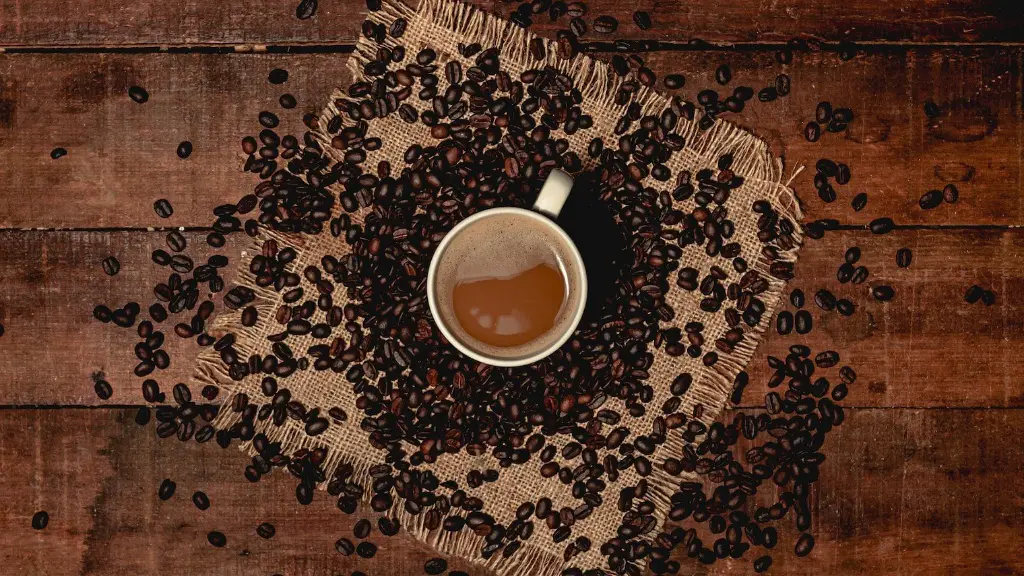
When Fasting Can You Drink Black Coffee?
Black coffee is one of the most popular drinks in the world. It is a versatile beverage that can be served in many different ways. It has gained popularity in recent years as people search for healthier ways to enjoy their morning cup of joe.
When it comes to fasting, there is a lot of debate and confusion as to whether black coffee is allowed. Some people think it is allowed because it doesn’t contain calories, while others think it should be avoided because it can still impact your metabolism and hunger levels. To understand when it is acceptable to drink black coffee while fasting, it’s important to look at the research.
The answer to this question depends on the type of fasting. Intermittent fasting is a popular way to embrace a fasting lifestyle. This type of fasting involves alternating between periods of eating and periods of fasting. During a period of fasting, you are encouraged to limit your food and beverage intake. This may mean skipping breakfast, lunch or dinner, or consuming only small amounts of food and no calories.

When it comes to water and coffee during intermittent fasting, there is no clear-cut answer. The evidence shows that drinking coffee while fasting is acceptable, given that it contains no calories and that caffeine can actually help suppress your appetite and provide valuable energy when fasting. However, it is important to keep in mind that everyone’s body is different and can react differently to different types of fasting. Some people may find that drinking coffee, even without calories, can disrupt their fast and cause them to break it.
Another type of fasting is called the 5:2 diet. This type of fasting involves eating normally for five days and then fast for two days. During those two days, you can only consume 500–600 calories. Some people may choose to drink black coffee during their fasting days, as long as their daily calorie intake stays below the 500–600 calorie limit. However, it is important to keep in mind that drinking black coffee can still stimulate your hunger, and it can be harder to reach your calorie limit for the day.
Overall, the evidence suggests that drinking black coffee during a fasting period is acceptable, as long as your daily calorie intake remains within the recommended limits. However, it is important to be aware of your body’s responses when fasting, as everyone is different and coffee may affect some people differently. It is recommended to consult a healthcare professional before embarking on an intermittent fasting or 5:2 diet plan.
Can Coffee Help With Fasting?
When it comes to drinking coffee while fasting, the key factor to consider is the amount of calories in your coffee. As long as the coffee you consume has no calories or only a few, such as a black coffee, then it can be consumed while fasting. Caffeine is one of the main stimulants in coffee, and research indicates it can both help suppress hunger and provide valuable energy during the fasting period.
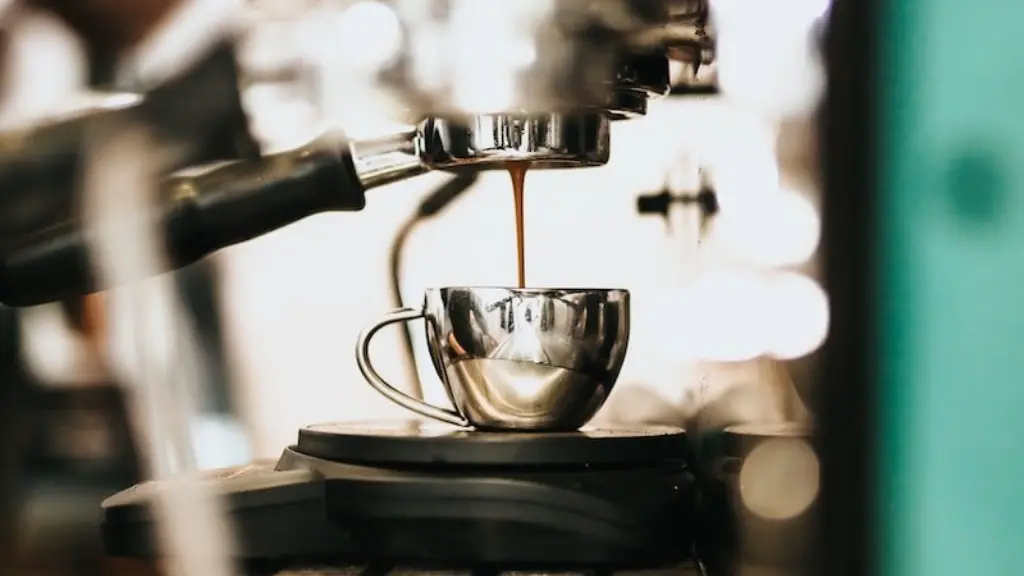
Caffeine has been shown to reduce the feeling of hunger and improve energy levels during a fast, meaning it can be a helpful tool for those in a fasting state. This can mean that drinking black coffee during a fasting period could both help suppress hunger and provide energy. However, it is important to be mindful that different people have different tolerances for caffeine, and drinking too much can have negative effects.
In general, it is recommended to consume black coffee during a fast, as it is calorie-free and can help stimulate energy. However, it is important to monitor the amount of caffeine you are consuming, as it can disrupt your fasting period if consumed in large amounts. In addition, it is not recommended to add any sugary or high-calorie ingredients such as cream and sugar, as this can break your fast.
Other Liquids to Consume During a Fast
As well as coffee, there are also other liquids that can be consumed while fasting without breaking it. These liquids can be beneficial for providing energy, hydration and other essential nutrients during the fasting period. Examples of liquids you can have during a fast include:
- Water:Water is essential for staying hydrated during a fast and is calorie-free. Drinking plenty of water throughout the day can help keep your energy levels up and can help you feel fuller.
- Tea:Tea is a great option during a fast, as it has many health benefits and is very low in calories. In addition, certain types of tea can be beneficial for detoxification and improved digestion.
- Vegetable Extracts:Vegetable extracts such as vegetable juice or smoothies are great for breaks in fasting periods, as they are low in calories and provide essential vitamins and minerals.
- Bone Broth: Bone broth is another option for fasting as it is low in calories and can provide essential nutrients. Bone broth can be beneficial for improving digestion and relieving inflammation.
Possible Side Effects of Fasting
Even though fasting can provide many benefits, it is important to be aware of the potential side effects. Fasting can cause changes in energy, mood and digestion, which can be uncomfortable. In addition, fasting can cause your breathing to become shallow and your heart rate to increase. It is important to be mindful of your body while fasting and to take breaks if necessary.
In addition, fasting can cause your body to become deficient in certain vitamins and minerals. This is especially true if you are fasting for an extended period of time or eliminating certain food groups during the process. Therefore, it is important to make sure you are getting the necessary vitamins and minerals while fasting, either through supplements or from nutrient-rich drinks.
Lastly, it is important to keep in mind that fasting is not suitable for everyone. If you have a medical condition or are pregnant or breastfeeding, it is important to speak to your doctor before embarking on a fasting plan.
Tips For Fasting Successfully
Here are some tips for making fasting a successful part of your lifestyle:
- Start Slow: If you are new to fasting, it is important to start slowly and gradually increase the amount of time you are fasting. Make sure to adjust your fasting schedule to meet your individual needs.
- Stay Hydrated: When fasting, it is important to stay hydrated by consuming liquids such as water and calorie-free drinks.
- Eat Balanced Meals: After fasting, it is important to eat balanced meals that contain a variety of vegetables, protein and complex carbohydrates.
- Listen to Your Body: Fasting can cause side effects such as nausea, headaches and fatigue. It is important to listen to your body and take a break if necessary.
The Verdict
In conclusion, drinking black coffee while fasting is generally acceptable, provided that the amount of calories in your coffee is low. Caffeine can also help boost energy levels in a fasting state, making it a helpful tool for those who are fasting. However, it is important to monitor your caffeine intake and take into consideration that different people have different responses to fasting. It is also important to consider other liquids that can be consumed while fasting, such as water and calorie-free teas. Overall, it is recommended to speak to a healthcare professional before embarking on a fasting plan.
