
Health Risks of Drinking Coffee while Pregnant
Coffee is a popular beverage worldwide, however, not all demographics should be drinking coffee due to its potential risks, especially pregnant women and their developing babies.
Pregnant women, despite being an integral part of the coffee drinking demographic, should avoid coffee as evidence shows that drinking coffee can lead to certain health risks for both the woman and her unborn baby.
Caffiene Levels in Coffee
As per advice from health professionals, it is recommended that pregnant women limit their daily intake of caffiene, the primary stimulant in coffee, to 200mg or less, as studies have found that high doses of caffiene may increase the risk of miscarriage.
Coffee is one of the most potent sources of caffiene, with each cup containing anywhere from 95 – 200mg of caffiene depending on amount, type of beans, and preparation method- meaning it is easy to go overboard and consume more than the recommended amount.
Effects on Pregnancy
Consuming too much caffiene during pregnancy has been found to increase the risk of several complications, including low birth weight and preterm birth.
Caffiene can also cross the placenta and affect the developing baby’s metabolism and heart rate.
An analysis of 56 studies found that women who consumed over 200mg of caffiene a day had double the risk of having a miscarriage than women who didn’t consume any of the stimulant.
Vital Nutrient Loss

Caffeine also acts as a diuretic, meaning it increases the amount of liquid expelled from the body, and this can lead to a nutrient deficiency, as essential vitamins and minerals like calcium, magnesium, and B vitamins are drawn out of the body along with the coffee.
These vitamins and minerals are very important to expecting mothers as they are essential in supporting a healthy pregnancy and the development of their baby.
Alternatives to Coffee
Although avoiding coffee can seem hard, there are plenty of other tasty and energising options that women can opt for when they need a pick me up.
Herbal teas are a great choice, as they are naturally caffeine-free and contain no sugar, artificial flavours, or colourings.
Another popular choice is decaffeinated coffee, however it still contains some caffeine, about 2-12mg per cup, and as mentioned earlier, it is important to keep consumption of caffeine to a minimum.
Expert Advice
Experts suggest that ‘The safest option is to avoid caffeine altogether during pregnancy and while breastfeeding’.
If cutting out coffee feels impossible, it is recommended that pregnant women stick to small amounts of 2-3 cups a day and to drink other nutrient-rich beverages on the side such as natural juices and smoothies.
All in all, pregnant women should discuss any pregnancy-related questions with their healthcare provider to ensure a safe and healthy pregnancy.
Emotional Triggers
The health and wellbeing of the unborn baby should be the top priority of pregnant women and eliminating drinking coffee from their routine can help reduce the risk of any potential health risks.
It is essential for women to acknowledge that avoiding coffee is a difficult task, however it is for their and the baby’s best interests.
The overall message should be that choosing not to drink coffee when pregnant is not a compromise on lifestyle, but an investment in the child’s future.
Alternative Choice
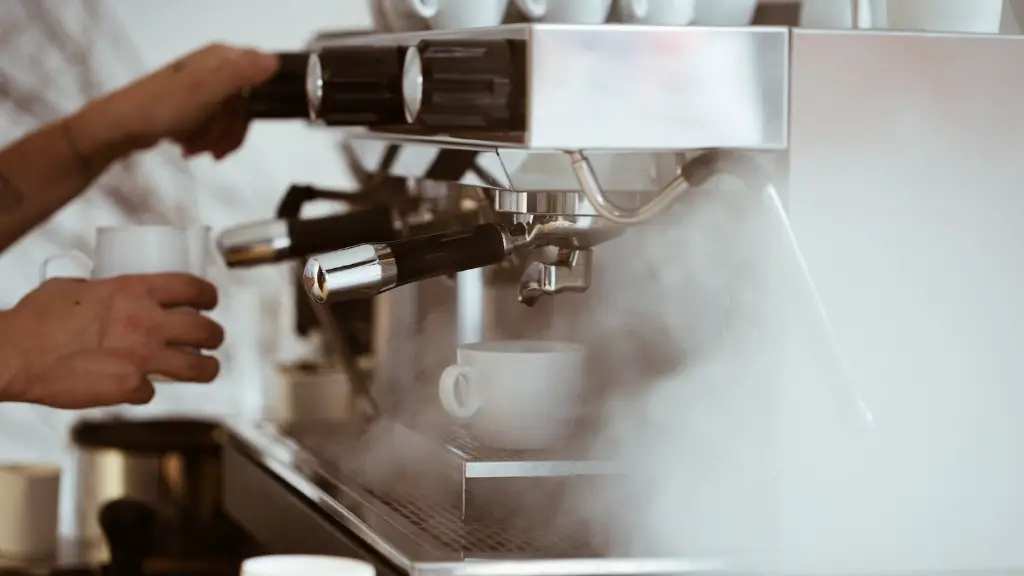
Another way to think about avoid drinking coffee while pregnant is to reframe it as an opportunity to selective one’s own health.
Due to medical evidence and expert advice, it is important to choose not to drink coffee as that can reduce the risk of negative consequences and improve overall health and wellbeing.
It is a chance to put the physical needs first and take a more active role in the Pregnancy.
Awareness
To sum up, drinking coffee during pregnancy is associated with several health risks and is not recommended by experts.
Pregnant women can still enjoy the vibrant energy of coffee in small amounts, however it is important to be aware of the potential risks and take the necessary steps to limit any potential harm to the baby.
It is essential for pregnant women to familiarise themselves with any potential side effects of drinking coffee, and to understand that the best option is often to avoid coffee altogether.
Additional Resources
There are a range of resources available to support any expecting mother who is struggling to give up coffee while pregnant, such as websites, books and blogs which all focus on the topic and provide helpful tips, advice and recipes.
Alternatively, reaching out to health professionals who specialize in nutrition and exercise can ensure a more accurate source of advice and support.
Some women may also feel more comfortable speaking to a member of family, a friend or a partner as they can provide personal insight,compassion and understanding.
