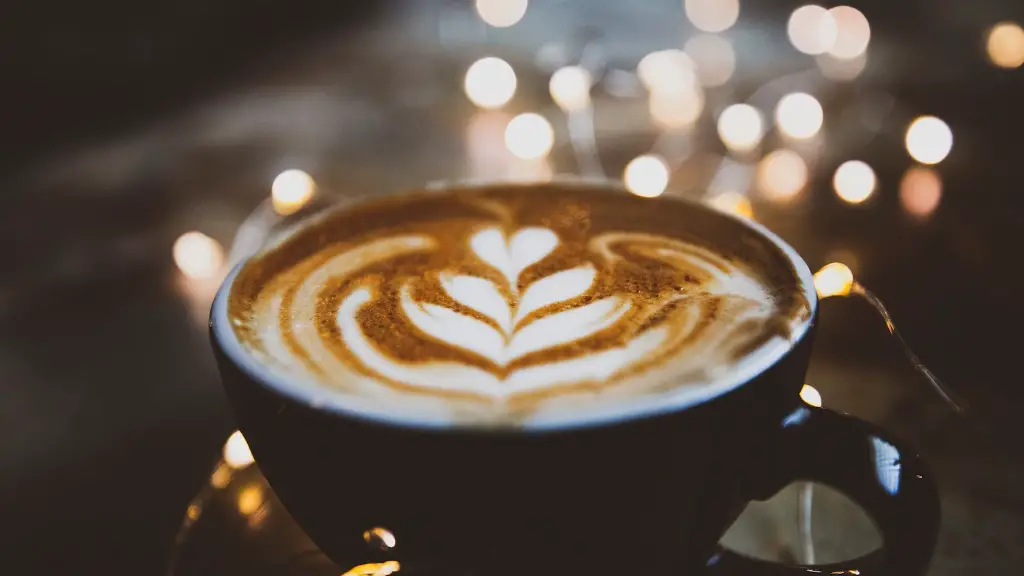
We all know that losing weight is not an easy task, and most of us will have tried following various diet plans, working out regularly and counting calories in order to reach our dream weight. Some of us, however, will have turned to an unusual weight-loss solution: drinking coffee. You’ve likely heard that drinking coffee can aid weight loss, and even help curb your appetites, but is it really true? Read on to find out.
As it turns out, drinking coffee can indeed help you in your weight-loss journey. Studies have found that caffeine, a key ingredient in many types of coffee, can increase metabolism, boost energy levels and suppress appetite. This means that if you drink coffee before or during exercise, you can work out for a longer period of time, potentially resulting in more calories being burned.
However, it is important to note that drinking coffee alone won’t make you lose weight. You need to take other steps, such as eating right, exercising regularly and keeping a food diary. In addition, there are some potential side effects of drinking too much coffee. These can include insomnia, dehydration, headaches, irritability and increased heart rate.
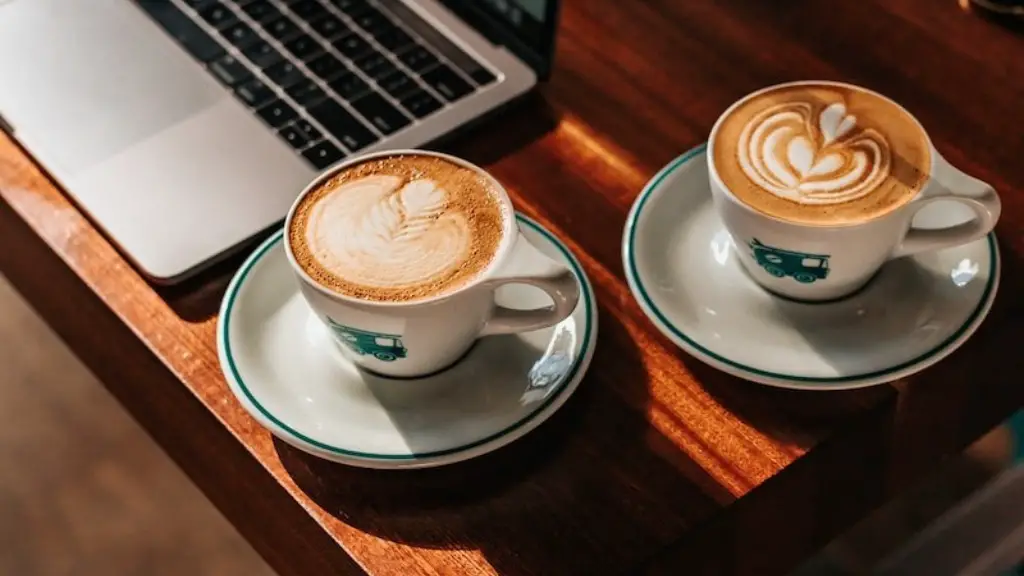
The key to seeing weight-loss results is moderation. If you drink coffee in moderation, you may be able to reap the benefits while avoiding the potential side effects. Try cutting back on sugary coffee drinks and opting for black coffee or espresso instead. This will help you avoid the added calories of milk and sugar.
Drinking coffee for weight loss is a contested issue among health and fitness experts. Most experts agree that it can be part of a healthy lifestyle, but that it won’t be effective on its own. So if you’re looking for a quick and easy way to lose weight, coffee might not be for you. It’s important to do your research, consult with your doctor and make sure to consult with a professional to build an overall plan that works for you.
Integrating Coffee Into Your Diet
In order to get the most out of your coffee-drinking regimen, integrate coffee into your diet with an overall plan. This means eating nutritious, balanced meals, drinking enough water and ensuring that you get enough exercise. Remember that coffee can help to suppress your appetite, so try to minimize snacking throughout the day.
Additionally, if you’re trying to cut down on the number of calories you consume, try drinking black coffee instead of adding milk, sugar or other flavorings. If you’re trying to lose weight, you should also focus on consuming healthy fats and proteins while minimizing empty calories from sugary drinks, snacks and fast foods. Furthermore, eating protein-rich foods can help curb your appetite and keep you feeling fuller for longer.
Finally, if you’re serious about your weight-loss goals, consider capitalizing on the benefits of coffee by incorporating it into an overall health-conscious lifestyle. With the right plan in place, coffee can help you stay sharp and energized, decrease your appetite and make it easier to choose healthy snacks instead of empty-calorie options.
Possible Benefits
Both coffee and caffeine have been studied for years by researchers, and both have been linked with certain health benefits. Although coffee is not a miracle weight-loss solution, it can be beneficial when combined with a healthy lifestyle. Research has shown coffee to lower the risk of type 2 diabetes, cancer and Alzheimer’s. In addition, research suggests that coffee can improve mental alertness and reaction time, and can reduce inflammation.
In terms of weight loss, drinking coffee can help keep you energized, focus your mind while hunger sets in and potentially curb your appetite. Additionally, it can increase your metabolism, making it easier for your body to burn fat. It is also a good source of antioxidants, which can help to protect against disease.
However, it is important to keep in mind that these positive effects can be negated if you’re drinking too much coffee or adding too much sugar, cream or other calorie-rich ingredients to your drink. Therefore, it is important to practice moderation when it comes to your cups of java.
How to Find the Right Coffee for You

When it comes to finding the right coffee to include in your weight-loss journey, the options can be overwhelming. Different types of coffee can provide varying levels of benefits, so it’s important to choose one that’s right for you. If you’re looking to increase your overall energy levels and focus, opt for espresso. If you’re looking to cut calories, look for low-sugar, low-fat cappuccinos and lattes.
For the healthiest options, keep an eye out for organic, shade-grown coffee, which has been grown without the use of pesticides, herbicides or other artificial growth-promoting chemicals. Additionally, for weight-loss purposes, it’s important to choose coffee that contains less than 20 milligrams of caffeine per serving, as excessive amounts of caffeine can have a negative impact on your body. Lastly, try to opt for plain coffee or espresso as opposed to pre-prepared coffees and instant coffees, as they often contain excess amounts of sugar and artificial sweeteners.
The Bottom Line
In summary, drinking coffee can indeed help with weight loss as long as it’s enjoyed in moderation and in tandem with an overall healthy lifestyle. The best way to incorporate coffee into your diet is to find one that is rich in antioxidants, contains less than 20 milligrams of caffeine per serving and is organic and shade-grown. In addition, opt for black coffee or espresso instead of adding milk and sugar, and try to avoid pre-made coffees and instant coffees.
Finally, always listen to your body and pay attention to how much coffee you’re drinking. Too much caffeine can have a negative impact on your body, and it’s important to drink responsibly and mindfully. That said, with the right plan in place, coffee can be a great addition to any weight-loss regime.
Tolerance of Caffeine
When it comes to caffeine, our bodies react differently. Some people may be able to tolerate large amounts of caffeine while others may experience side effects such as jitteriness, irritability and restlessness. It’s important to be aware of your tolerance level and adjust your caffeine consumption accordingly.
If you’re feeling uncomfortable after drinking coffee, it’s important to take a break from the caffeine and give your body a chance to recover. In addition, be sure to drink a glass of water or other hydrating beverage afterwards. Drinking water can help flush out the excess caffeine in your system and prevent dehydration.
The best way to determine your individual tolerance is to experiment and pay attention to how your body responds after drinking coffee. This can help you figure out how much caffeine is too much for you, so you can adjust your intake accordingly. As with anything else, moderation is key.
Mindful Coffee Consumption
The most important thing to keep in mind is to be mindful while drinking coffee. Ask yourself why you’re drinking it and why you’re looking to lose weight. Keep in mind that coffee is not a miracle weight-loss solution, but can be enjoyed in moderation as part of an overall wellness and weight-loss plan.

If you’re looking to aid in your weight-loss efforts, try to opt for organic and shade-grown coffees as much as possible. Additionally, avoid pre-made coffees and instant coffees, as they often contain added sugars and artificial sweeteners that can quickly derail your diet. Finally, focus on making healthy food choices and incorporating exercise into your daily routine.
Weight Loss and Coffee Conclusion
At the end of the day, drinking coffee is not a silver bullet for weight loss. It can be part of an overall healthy lifestyle, but it won’t magically make you lose weight. Try to incorporate it into a balanced diet and exercise regimen as well as keeping your overall caffeine consumption in check. With the right plan, drinking coffee can be an effective way to remain energized and stay on track with your weight-loss goals.
