
The World’s Largest Coffee Consumption
Coffee is one of the most popular drinks in the world, consumed by billions every day. So who drinks the most coffee in the world? The answer may surprise you. According to the International Coffee Organization, the average global coffee consumption per capita is 1.1 kilograms per person per year. However, some countries consume a lot more than the average.
At the top of the list is Finland, the coffee-loving nation of around 5.5 million people. Finns consume an average of 12 kilograms of coffee per person per year! There are many theories why this is, but the most popular is that living in the short, dark winters of northern Europe drives them to consume more coffee as a means of comfort and warmth. After Finland, there are a handful of other European countries with higher than average coffee consumption, including Norway, Iceland, Denmark and the Netherlands.
In terms of global coffee consumption, Europe is undoubtedly the epicenter. With an average of 4.3 kilograms of coffee consumed per person per year, Europe leads the world ahead of North America, South and Central America, Asia, Oceania and Africa.
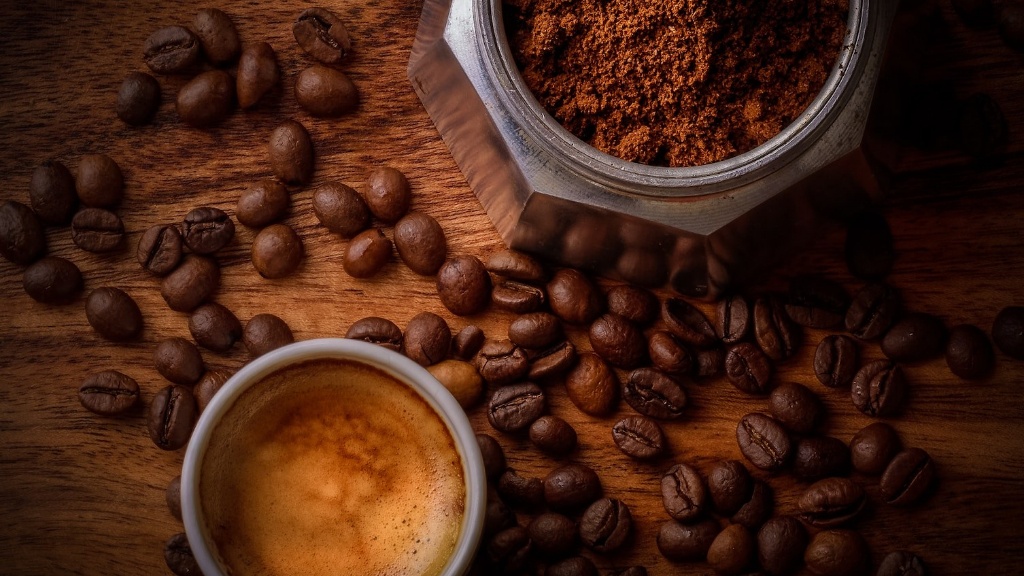
But this is not just a European phenomenon. Coffee drinking is popular in other countries as well, most notably Brazil, where coffee culture is deeply entrenched in the nation’s culture. In fact, Brazil is the world’s largest producer of coffee, accounting for around a third of the world’s coffee supply. So much is their love of coffee, that it forms a large part of their daily life. Coffee is enjoyed at any time of the day, often with a light snack, and it is not uncommon to see people sitting in cafes for hours at a time.
It is clear that some countries drink far more coffee than others. But why? One reason is cultural. Some countries, like Finland and Brazil, have embraced coffee as a key part of their identities and culture, and this is reflected in their high consumption rates. Another reason is geographical. Countries in Europe and South America often have warmer climates, making it easier to grow coffee, which has encouraged the development of a strong coffee culture.
It can also be argued that consumption is driven by convenience. Many European countries, for example, have thousands of cafes and kiosks that sell coffee. And with the rise of fast food outlets in countries like the United States, coffee consumption has never been higher.
While some countries consume far more coffee than others, it is clear that it is enjoyed all over the world. Even if we do not drink it every day, we can still appreciate the ritual of a hot cup of freshly brewed coffee, enjoyed in good company.
Role of Caffeine in Coffee’s Popularity
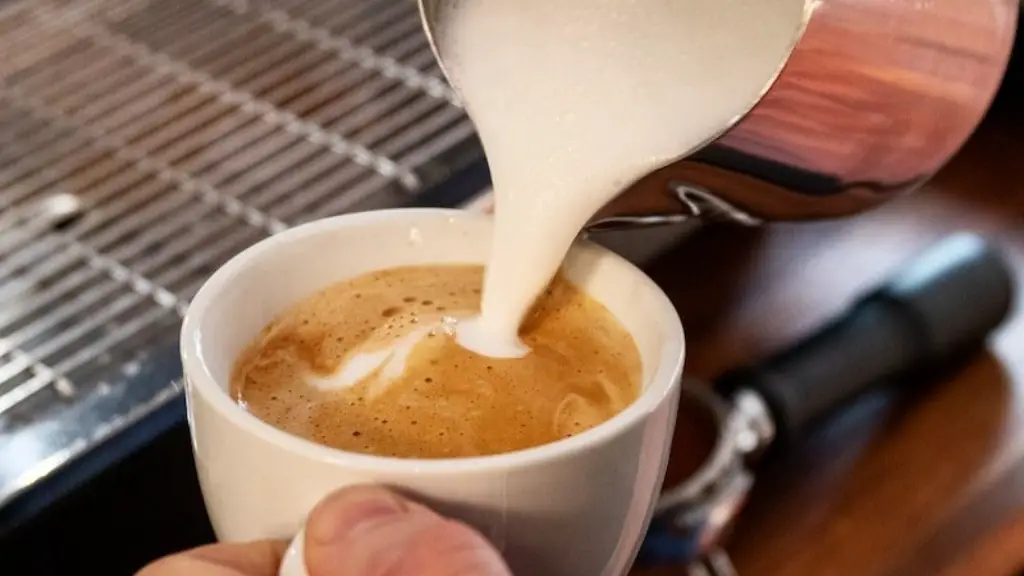
Caffeine is one of the key components of coffee and is responsible for its effects as a stimulant. It is believed to improve cognitive function and alertness, which is why many people turn to coffee for a boost of energy. Caffeine is also very addictive, which means that some people may drink far too much in search of the effects it provides.
However, not all coffee contains the same amount of caffeine. Certain varieties have higher concentrations, while others have less. For example, espresso has a high concentration of caffeine, while instant coffee generally has a lower one. Similarly, the way coffee is brewed can also affect the amount of caffeine in the cup. For example, filtered coffee results in a much higher concentration of caffeine than other brewing methods.
The varying levels of caffeine in different types of coffee mean that it is possible to consume more than the recommended daily allowance in a single cup. It is therefore important for coffee drinkers to be aware of the amount of caffeine they are ingesting, especially if they are prone to over-consumption.
Caffeine is not the only factor behind coffee’s popularity, however. Many people enjoy coffee for its flavour and aroma, which vary greatly depending on the type of beans and brewing method used. Coffee has become a symbol of sophistication, and there is something of an art to preparing the perfect cup. In many countries, there are dedicated cafes and coffee shops that specialise in brewing and serving high-quality coffee.

Coffee culture has also become an important part of social life in some countries, such as Italy and Spain. Coffee is often enjoyed over long conversations with friends and loved ones, and it is viewed as a source of relaxation and enjoyment.
Caffeine undoubtedly plays a big role in coffee’s popularity, but it is clear that its appeal goes beyond just the stimulant effects. Whether it’s enjoyed in the morning or late at night, coffee remains one of the world’s most popular drinks.
Re-shaping Global Coffee Habits
Coffee drinking around the world has changed dramatically in recent years. As coffee becomes more widely available, more people are turning to it for caffeine boosts, social occasions and simply for enjoyment. And with the rise of instant coffee, more people are enjoying a quick cup of coffee at home or on the go.
The prevalence of coffee shops has also helped to re-shape global coffee habits. In cities like New York, London and Tokyo, coffee bars have become an important feature of the urban landscape, providing a place for locals to meet and enjoy a cup of coffee in their downtime.

Online and technological advances are also playing a role in the re-shaping of global coffee habits. More and more people are able to order coffee with the tap of a button, and delivery services such as Uber Eats have made it even easier to get a cup of coffee while on the go.
These advances have had a significant impact on the coffee industry. Traditional cafes are struggling to compete with the convenience and speed of online delivery services, and instant coffee is becoming an increasingly popular choice for those who want a quick fix.
Coffee chains such as Starbucks and Costa have also become increasingly popular in recent years. Although traditional cafes remain popular in some countries, the proliferation of coffee chains around the world has led to a fundamental shift in how people consume coffee. Now, it is possible to find a Starbucks or Costa on almost every street corner.
In short, the way we drink coffee has changed drastically in recent years. From the convenience of online ordering to the ubiquity of coffee chains, coffee drinking habits have been fundamentally re-shaped, and are likely to continue to change in the coming years.
Environmental Impact of Coffee
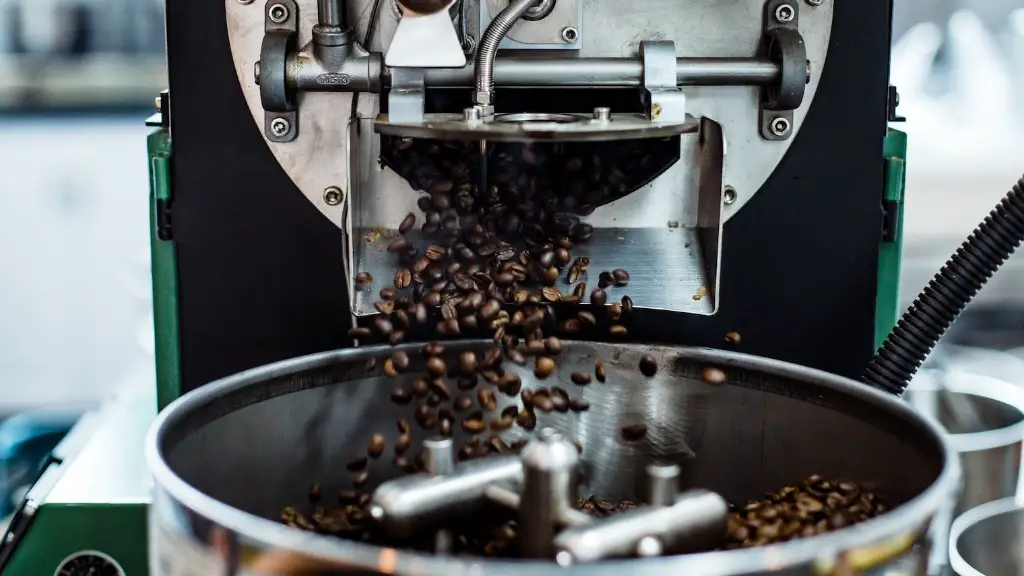
Coffee is an incredibly popular beverage, but it is important to remember that its production and consumption have an impact on the environment. One of the biggest issues is deforestation, as coffee growing and harvesting can lead to significant deforestation in coffee-growing countries, particularly when done in an unsustainable and irresponsible manner.
In addition, coffee production can contribute to soil erosion and water pollution, while the energy and resources used to produce, transport and package coffee has an impact on the environment. Furthermore, most coffee is heated with fossil fuels, adding to the global problem of greenhouse gas emissions.
Fortunately, there are efforts underway to reduce the environmental impact of coffee. Many coffee producers are working to become more sustainable, using methods such as organic farming, natural fertilisers and water-friendly irrigation systems.
The coffee industry is also increasingly looking at ways to reduce and reuse waste. For example, coffee grounds can be used in a wide range of products, such as soaps, fertilisers, body scrubs and more. And organisations such as Coffee and Water Partnership are working to ensure that coffee producers are using sustainable methods to conserve water and reduce water waste.
It is clear that coffee production and consumption have an impact on the environment. But it is encouraging to see that steps are being taken to reduce this impact, and to make the industry more sustainable for the future.
The Future of Coffee
It is clear that coffee has become an integral part of the lives of billions of people around the world. It is enjoyed all over the world in a variety of ways, and its popularity is unlikely to decline any time soon.
However, the way we consume coffee is changing. Traditional methods of brewing, such as the French press or pour-over, are being slowly replaced by quicker and more convenient methods, such as instant coffee and coffee pods. There is a growing trend towards convenience and speed, with more people opting for a quick cup of coffee while on the go.
In the future, we can expect to see even more innovation in the coffee industry. New brewing methods, such as cold-brew, are gaining popularity, and there are already plans for robotic cafes, which could make it even easier to get a cup of coffee.
Technology is also likely to play a big role in the future of coffee. Apps such as Starbucks’s mobile ordering system are becoming increasingly popular, and this trend is likely to continue in the years to come. We may even see more augmented reality (AR) applications that allow users to learn more about their coffee before making a purchase.
Coffee is undoubtedly here to stay, and it is clear that the way we consume it is evolving. We can expect to see more innovations in the industry in the coming years, as the companies behind the biggest coffee brands continue to look for ways to make coffee even easier and more convenient.
