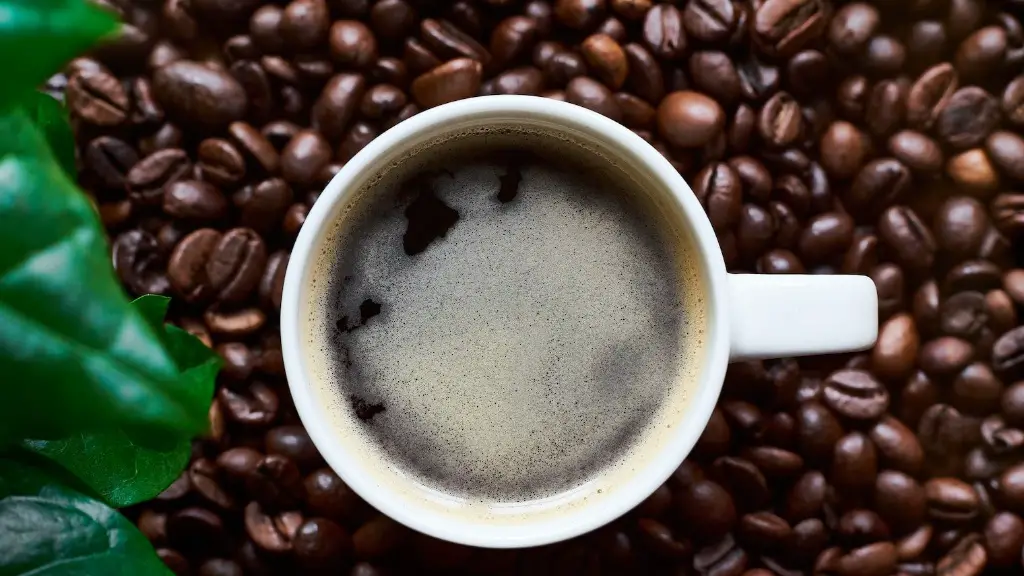
Coffee is a popular beverage enjoyed around the world. Today, it is the most consumed beverage in the world after water. Even though it has been around for centuries, its popularity has grown exponentially in recent years. As people’s lifestyles become more hectic, the need for an energy boost has increased.
Apart from giving an energy boost, many people cite other benefits from drinking coffee, from improved physical performance to better mental health and alertness. Recent research has found that regular coffee drinkers may see health benefits such as reduced risk of stroke and cardiovascular disease, lower risk of Type 2 diabetes, liver disease and Parkinson’s.
According to experts, the key to all these benefits lies in the caffeine found in coffee. Caffeine is a stimulant that works by blocking adenosine, a neurotransmitter in the brain that can make you feel tired. When caffeine blocks adenosine, dopamine increases, and this boosts energy, alertness, and mood. Caffeine is also known to release endorphins, which can also improve mood and reduce stress.

However, it is important to note that too much caffeine can have an adverse effect, leading to increased anxiety and irritability. Therefore, it is best to limit intake to no more than 400mg a day, the amount in around four cups of coffee. Additionally, people with existing medical conditions, such as heart problems or pregnancy, should check with their doctors before drinking coffee.
Whatever the benefits of drinking coffee, it appears to be the beverage of choice of many people all around the world today and is likely to remain so in the future. Coffee culture has become a popular trend with specialty coffee being made from rare and exclusive beans from all corners of the globe, providing an unparalleled flavor and experience.
Different Ways to Make Coffee
With so many coffee drinkers around the world, it is not surprising that there are a variety of different ways to make a cup of coffee. Some of the more popular methods include espresso, French press, pour-over, and cold brew. Each of these methods varies in complexity, flavor, and time.
Espresso is perhaps the most renowned form of coffee and may be familiar to many. It is made with finely ground coffee beans, boiled in a machine to form a concentrated, flavorful beverage. French press and pour-over also use boiled water, but require special equipment and a longer brewing time. Cold brew refers to a method of “soaking” the coffee grounds saturated with cold water for up to 24 hours, before straining it to create a smooth and refreshing beverage.

Making one’s own coffee requires some skill and knowledge, but it may be worth it for some coffee devotees. With the right ingredients and tools, a truly fantastic cup of coffee can be made. Furthermore, making one’s own coffee can help to savor the flavors of high-quality, seasonal coffees.
Coffee: A Social Beverage
No matter how one makes their coffee, there is no denying that it can be a great way to share quality time with friends and family. Whether it is a quick catch-up with a neighbor or a longer conversation with a good friend, coffee can be the perfect accompaniment. This is why people often share coffee in cafés, lounges, and even parks.
Coffee is also an important part of traditional and cultural ceremonies in many parts of the world. For instance, in Greece, coffee is an integral part of a bride’s dowry and is served during pre-wedding celebrations. Similarly, coffee is also an important part of the Nordic way of life, with people gathering for coffee breaks and coffee parties.
Coffee has had a long and rich history and continues to have a place in our everyday life. It continues to remain a social, cultural, and popular beverage. Its versatility allows coffee drinkers to find the perfect balance between energy and pleasure, which will keep them coming back for more.
The Impact of Coffee Drinking
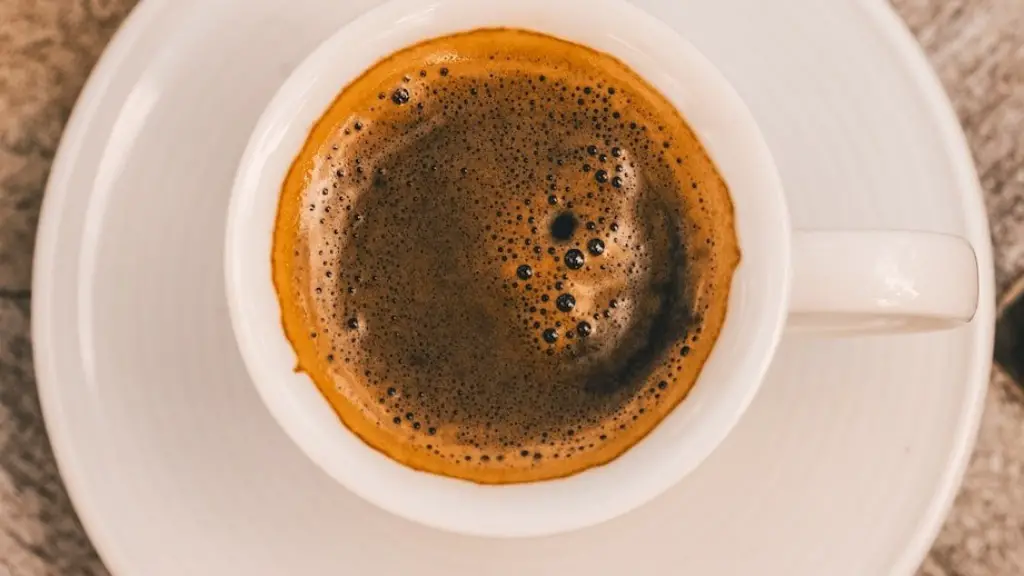
As noted earlier, coffee has become increasingly popular with the growth of coffee culture. However, with increased popularity comes increased responsibility. Therefore, coffee drinkers must be aware of the impact of their coffee excursions.
Being mindful of the environmental impact of coffee production is important. Coffee is often cultivated in remote places, which transforms fragile lands and causes environmental damage. Furthermore, selective harvesting of coffee beans had led to an uneven distribution of the crop, making it difficult for the wild species and birds to find food. Therefore, buying sustainable and certified coffee can help to reduce the damage caused by coffee production.
Another issue is the exploitation of coffee workers. Coffee-producing countries such as Ethiopia and Colombia have become victims of a global system that has led to low wages, poor working conditions, and a lack of unionization. To prevent injustice, coffee drinkers should look for ethical beans that guarantee a fair wage for the workers involved in their production.
Health Benefits of Coffee
Apart from being a fantastic social beverage, coffee also has various health benefits. Studies have shown that regular coffee consumption can help to reduce the risk of developing some chronic diseases, such as diabetes, stomach cancer, and Parkinson’s disease. Coffee drinkers may also see improvements in physical performance, energy levels, alertness, and mental acuity.
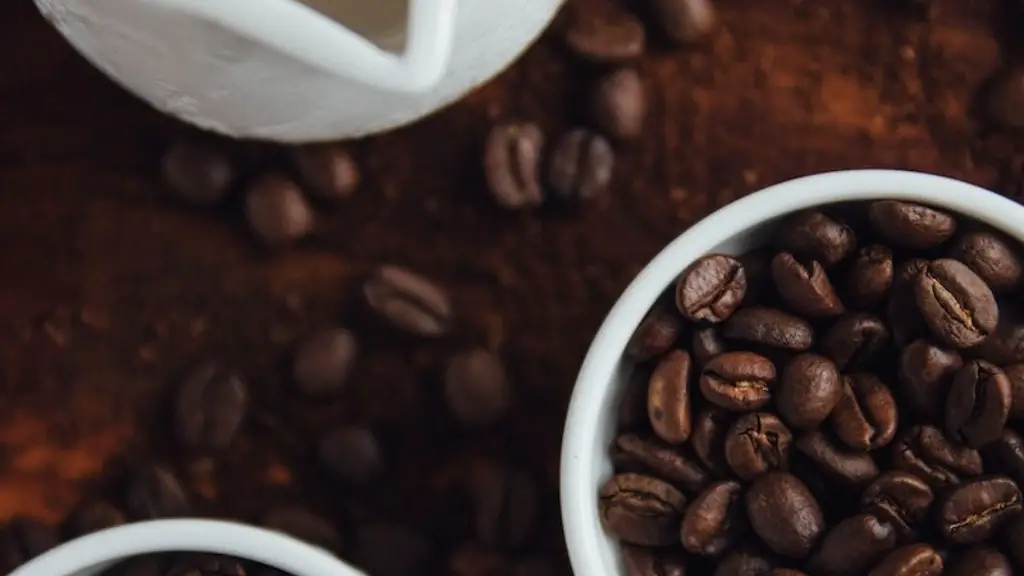
Drinking coffee can also reduce the risk of liver disease, dementia, and depression. It is thought that the antioxidants and beneficial compounds in coffee are responsible for these beneficial effects. However, it is important to remember that too much caffeine can have a negative effect on one’s health and should be avoided.
Coffee Alternatives
For those who cannot or choose not to drink coffee, there are still many ways to get an energy boost. Herbal teas, energy drinks, and even sparkling water can be a great alternative. For example, chamomile tea has been found to benefit those suffering from anxiety and insomnia, while green tea and kombucha are packed with antioxidants which can help improve health and vitality.
People who are looking for a caffeine-free energy boost can also opt for natural and healthy snacks. For example, a handful of almonds can boost energy and provide important vitamins and minerals. Similarly, complex carbohydrates, such as whole wheat bread, can provide sustained energy, while fresh fruit and vegetables can also help to keep energy levels up.
Conclusion
Coffee is an incredibly popular beverage, consumed for its energizing qualities, rich flavor, and social aspects. Despite its popularity, it is important to be aware of the potential health risks and ethical issues, such as environmental damage and exploitation, associated with the production of coffee. By drinking responsibly and ethically sourced coffee, coffee drinkers can help to mitigate the damage caused by the growing demand.
