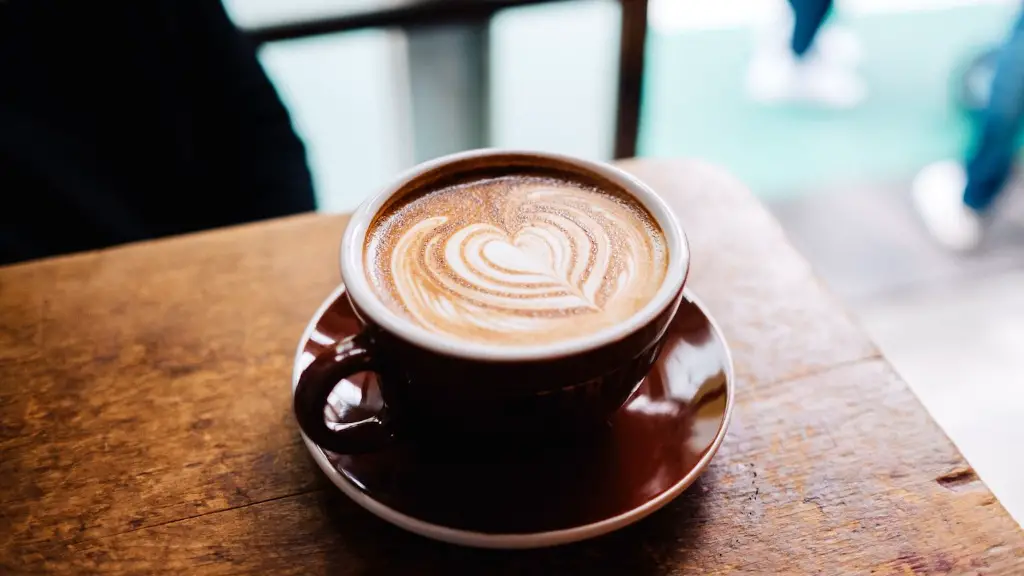
Coffee—the vibrant and energizing drink that has fuelled many success stories is no stranger to a culture as ours. But when madly gulped, this beloved beverage can also become a source of anxiety for many. Studies show that 1 in 6 people experience uncomfortable symptoms whenever they consume caffeine from sources like coffee, tea and energy drinks. Caffeine is known to be a metabolically active substance, it has both physiological and psychological effects that can amplify the feeling of anxieties.
When ingested, caffeine can cause a surge in blood pressure and heart rate. This can lead to some people feeling awake and alert, and for others it can cause uncomfortable and fast heartbeats, making a person feel anxious. Because of the mood altering effects of caffeine, some people are especially sensitive to its effects and may find that they feel an anxiety response even after consuming small amounts. The stimulation created by caffeine can over activate the brain’s fight-or-flight response, making someone overwhelmed by even the slightest stress. This can cause tension in the body and thoughts in the mind, leading to feelings of unease and anxiousness.
Furthermore, caffeine can increase levels of the neurotransmitters dopamine and serotonin, which can definitely have a notable effect on anxiety levels. These neurotransmitters help regulate overall mood and when dopamine levels are particularly high, this can cause someone to feel very anxious. Similarly, changes in serotonin levels can affect how anxious one feels because these neurotransmitters play an important role in modulating responses to stress.

Dr. Mitchell Sommers, a clinical psychologist and caffeine-research specialist, suggests that the amount of caffeine we consume dramatically affects how it will effect our body and mind. He recommends keeping an eye on the amount of caffeine we’re consuming and to slowly start to reduce it if we feel it’s connected to how very anxious we’re feeling. He also says it can be beneficial to make sure we’re getting enough sleep and exercise. Both of these things can help manage and reduce stress levels, further helping to minimize our susceptibility to caffeine-induced anxiety.
So, why does drinking coffee make people anxious? It can be an individual’s response to the amount of caffeine they are ingesting, the effects of this caffeine or even their personal lifestyle. Caffeine is found extensively in many drinks and to some people, that single cup of coffee can be enough to trigger an anxiety episode. It is always recommended to be conscious of our caffeine intake and recognize how we feel under its influence.
Decreasing Caffeine Intake:
Since caffeine can be found in a number of energy drinks and coffee, it can sometimes be difficult to determine which drinks we should be limiting our intake of. There are however a few steps we can take to reduce our caffeine intake. Firstly, it can be beneficial to look for caffeine-free alternatives. There are a variety of tea, mocktails and juices that are caffeine-free and still enhances the flavor of a regular cup of coffee. Furthermore, being aware of the type of caffeine-containing beverage being consumed, and taking note of labels that mention the amount of caffeine, can also be helpful in reducing cause for anxiousness.
In addition, many people rely on coffee or energy drinks as a way to stay awake and motivated. Though caffeine can give temporary alertness, it’s usually far more effective to take regular breaks, get proper sleep and exercise to boost the body and mind. Regular breaks, where we choose to either drink a caffeine-free beverage or simply take a walk, can help regulate a person’s energy levels, reduce stress hormones and can eventually help keep anxiety at bay.
Alternative Strategies for Stress Relief:

Because caffeine can influence our levels of anxiousness and stress, sometimes it can be helpful to stay away from caffeine and try alternative strategies. Many people find that the regular practice of yoga, meditation, massage and other various relaxation techniques can be very soothing and comforting, helping to reduce and even manage stress levels. Many people also find that engaging in regular physical activity, talking to close friends, writing in a journal, engaging in activities like art or pottery, or listening to calming music
Talk to a Professional:
If people are finding it difficult to manage and reduce their anxiety levels, they should seek professional help. A doctor or another health care professional can provide guidance and support, and even recommended medications or treatments, to help an individual cope with anxiety and stress and find more efficient strategies to regulate their stress levels.
Caffeine-Induced Anxiety: Be Sensitive to Our Bodies
Although it can be difficult to completely avoid caffeine and its related effects, understanding our body’s response to the metabolically active substance can go a long way. Everyone’s body reacts differently and caffeine can affect people’s mental and physical states in multiple ways. That’s why it’s so important to pay attention to the signs of anxiousness, such as increased heart rate, as they are all indicators of a potential caffeine-induced anxiety response. While normal anxiety levels have their own struggles, caffeine-induced anxiety is a different ball game and can cause even more discomfort, making it important to pay attention to our ownbody’s cues.
Final Thoughts:
At the end of the day, the best thing to do is to be aware of how certain foods, beverages and lifestyle habits influence us. Though the beloved cup of joe can make us feel alert and productive, it’s important to be sensitive to how it may affect our mental and physical states. Being in tune with body cues can help us get the energy for the day — all without the anxiety.
