
Drinking coffee has always been a large part of the daily routine for some, but many don’t realise where this caffeinated pastime originated. Evidence suggests that coffee originated in Ethiopia in the sixteenth century, far earlier than initially suggested by the ‘Cairo Documents’ written in 1517. While the exact origin of coffee is the subject of debate among historians, all sides are in agreement that it originated in the African continent.
One of the first documents to outline the existence of coffee as a drink is attributed to Sheikh Omar. A Sufi saint of Yemen, in the late fifteenth century, he started cultivating coffee in the mountainous Yemen region near the Ethiopian border. He noticed the positive effects of the Ethiopian coffee tree beans on his goats and proceeded to brew a drink of the beans, which became popular among the local peasants in Yemen.
In the fifteenth century, the people of Ethiopia started cultivating it to use in their ceremonies. In the Ethiopian language, coffee is known as ‘buna’, which means ‘bean’ or ‘berry’, and is found in the Kaffa region of southwestern Ethiopia. Over time, traders began to transport the coffee beans to neighbouring countries, such as Yemen. The spread of the beans to Yemen, Egypt, Persia and India happened gradually, but by the eighteenth century, it had become popular in Europe as well.

As coffee’s popularity spread, people began to experiment with different methods of brewing it. While the first cookbooks written in Europe suggested ways to make a stronger drink, it wasn’t until around 1750 that the first paper filter was invented. This invention was a game changer as it allowed more of the sought-after flavour of the coffee to be extracted.
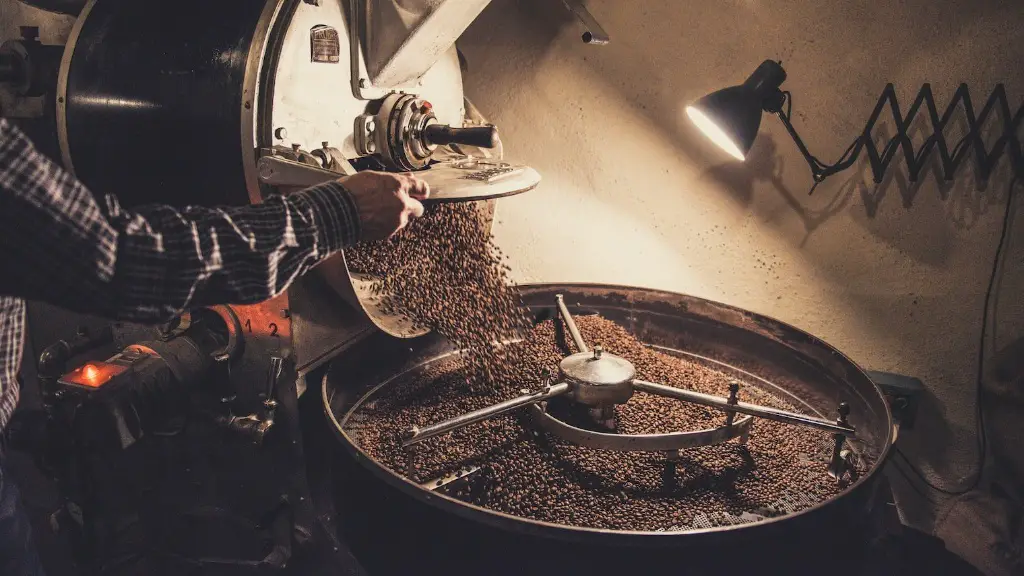
The growing international demand for coffee saw the production of the first commercial coffee roasters in 1850, which allowed for a more consistent product. In 1901, the first espresso machine was invented in Italy, another product that would become popular in cafes around the world.
Coffee’s popularity has continued to grow since the eighteenth century, and today it is consumed widely across the globe. Major coffee producing countries include Brazil, Colombia, Ethiopia, India and Vietnam, with the vast majority of coffee consumed by those in the Western world.
Cultivation
Coffee is an ancient crop which grows in mountainous forests, in the shade of other plants, mainly located between the tropics of cancer and capricorn. It is an expensive crop to cultivate, as its high-altitude environment and shade-dependent trees make for costly harvesting, fertilisation and pruning. To meet this rising demand, thousands of smallholder farmers grow coffee in order to supplement their incomes and generally produce the highest quality beans.

In contrast to smallholder farmers, the majority of the world’s coffee is grown on large-scale ‘plantations’ in countries such as Brazil and Vietnam. This more industrial style of production tends to produce a much lower quality of bean, and often involves exploitative labour practices. As such, coffee drinkers should be aware of where their coffee is sourced in order to avoid contributing to unethical practices.
Despite its importance to many countries’ economies, coffee is a sensitive crop and is threatened by a range of problems, such as deforestation, pests, drought and disease. In addition to this, coffee production has traditionally been tightly controlled, meaning smallholder farmers often struggle to get the fair price their beans deserve.
Certifications
In order to ensure that coffee is produced ethically, with respect to the environment and to the farmers growing it, there are several certifications that producers can follow. For example, the Rainforest Alliance certification works to protect wildlife and ensures that workers follow strict health and safety standards, while Fairtrade is a global certifier that ensures that farmers in developing countries are paid a fair wage.
In addition to these certifications, the Specialty Coffee Association of America (SCAA) works to promote specialty coffee around the world. The SCAA publishes comparison charts and guides to help consumers identify high-quality coffee and make better purchasing decisions.

Organisations such as the Sustainable Coffee Challenge also work to promote sustainability among all participants in the coffee industry, and to ensure that farmers and workers, who often lack support and infrastructure, are able to produce high quality beans, protect the environment and receive fair payment.
Brewing Methods
With the commercial production of coffee beans came the development of numerous brewing methods that allow for different flavours and colours of coffee to come through. From traditional Italian espresso and cappuccino, to the more modern Americano, French press and cold brew, there’s something for everyone.
Espresso machines are becoming increasingly popular in homes and commercial cafes, as they provide an almost instantaneous way to make coffee, including lattes and cappuccinos. Alternatively, pour-over coffee makers provide a more manual alternative, with the user controlling the water flow and steep time and extracting the most flavour from the beans.
The French press method is also very popular and is renowned for its simplicity. The user adds ground coffee to a pot, adds hot water and then leaves to brew for 3-4 minutes before pushing the plunger down, to separate the grounds from the liquid.

Cold brewing is also gaining popularity, especially during the warmer months. It involves steeping the grounds in cold water for a period of time and can produce a smoother and more delicate cup of coffee.
Consumer Behaviour
The rising popularity of coffee has caused an increase in demand and, as a result, two key drivers of consumer behaviour have emerged. In the first instance, people are looking for convenience. This has led to the development of fast-serving outlets such as Starbucks, Costa and Caffè Nero, which offer quick and easy access to a variety of different coffees. On the flip side, there has been a rise in ‘hipster’ and artisan outlets, offering more exclusivity when it comes to coffee, while the focus on craft coffees has also seen an increase in speciality coffee shops.
Consumers are also increasingly aware of the ethical implications of their coffee choices and are willing to pay more for ethically grown and sourced beans. As such, there are now more cooperatives and ethical retailers selling specialty coffees, which are grown and harvested in a responsible and sustainable way.
Environmental Impact
As the demand for coffee has increased, so too has the environmental impact of its production. Coffee is a crop requiring a great deal of water, with an average of 467 liters per kilogram of beans produced. Furthermore, the use of chemical fertilizers and pesticides has grown, as producers look to maximize yields, which can lead to severe degradation of soil and water systems.
Changes in climate, such as rises in temperature and increases in disease, are already impacting the availability and quality of coffee beans, leading some experts to suggest that the current level of production might not be sustainable. Therefore, producers must look to combat these problems by adopting more sustainable agricultural practices, such as the certification systems previously mentioned.
Overall, coffee production requires a lot of resources and care, so coffee farmers often struggle to remain financially sustainable. As coffee has become a global commodity and production has become more industrialized, ensuring that farmers are adequately compensated for their labour is critical in sustaining the industry in the long-term.
The Future
As people become more conscious of the environmental and ethical implications of their coffee choices, companies that do not comply with ethical standards will likely find themselves struggling to maintain their customer base. As such, organisations must be aware of potential environmental, social and ethical issues and work to address them, or risk being left behind in the increasingly competitive specialty coffee market.
In looking to the future, innovation is sure to drive change and create opportunities for new players. For example, the development of 3D printing technology could result in customisable coffees in future, allowing consumers to tailor the flavour, strength and experience of their brew.
Overall, the future of coffee looks bright, however whether it is sustainable is a different question. In order for the specialty coffee industry to flourish in the long-term, producers, merchants and consumers must all work together to ensure that all participants in the industry are treated fairly and paid an adequate wage, regardless of their level of expertise.
