
Effects of Caffeine
Coffee contains caffeine, which is a stimulant and is known to affect your hormones and make it difficult to regulate your menstrual cycle. Caffeinated drinks like coffee can increase your heart rate, irritability and anxiety. This can also cause disruption in other bodily functions like your sleep pattern – one of the primary symptoms of PMS.
Aside from caffeine, coffee also includes a variety of other substances that can have an adverse effect on your body. A few of the most notable substances include antioxidants, tannins, and phenols. All of these substances have been linked to higher levels of mood swings and irritability.
Experts agree that overconsumption of coffee can have an adverse effect on women’s menstrual cycles and hormonal balance. The average cup of brewed coffee contains around 95-165 milligrams of caffeine. Studies have shown that more than 300 milligrams of caffeine in a day (about 3-4 cups of coffee) can negatively impact a woman’s uncomfortable symptoms associated with their period. Symptoms like anxiety and diarrhea may be accentuated when consuming coffee while on your period.
Negative Physical Symptoms
Consuming coffee on or near the start of your period can cause a number of unpleasant physical symptoms. Caffeine is known to raise your heart rate and stress levels while on your period, leading to anxiety, nervousness, and headaches. This can also cause weakened muscles and make it difficult to recover after a period of physical activity or exercise.
Caffeine can also disrupt a woman’s sleep cycle and reduce their ability to get restful sleep. Not getting enough sleep can make pre-existing conditions worse and increase the risk of high blood pressure and cardiovascular issues over time.
In addition, drinking coffee on your period can also lead to digestive discomfort and even nausea. Caffeine is known to be a diuretic, which means it can make you more prone to dehydration. It also increases your body’s production of acid, which can make it harder to digest food and lead to symptoms like bloating and constipation.
Mental Health Impact
Studies have pointed to the fact that caffeine can have an adverse effect on the mental health of a person, especially during the days leading up to and during their period. Caffeine is known to trigger anxiety and worsen depression. Consuming large amounts of coffee while on your period can lead to anxious thoughts throughout the day, making it harder to concentrate and focus on the tasks at hand.
It is also important to note that caffeine can worsen PMS symptoms like irritability and mood swings. Consuming coffee while on your period can also make it difficult to stay in control of your emotions. This can make it harder to engage in meaningful conversations and can even lead to misunderstandings and heated arguments with friends and family.
Increased Risks of Addiction
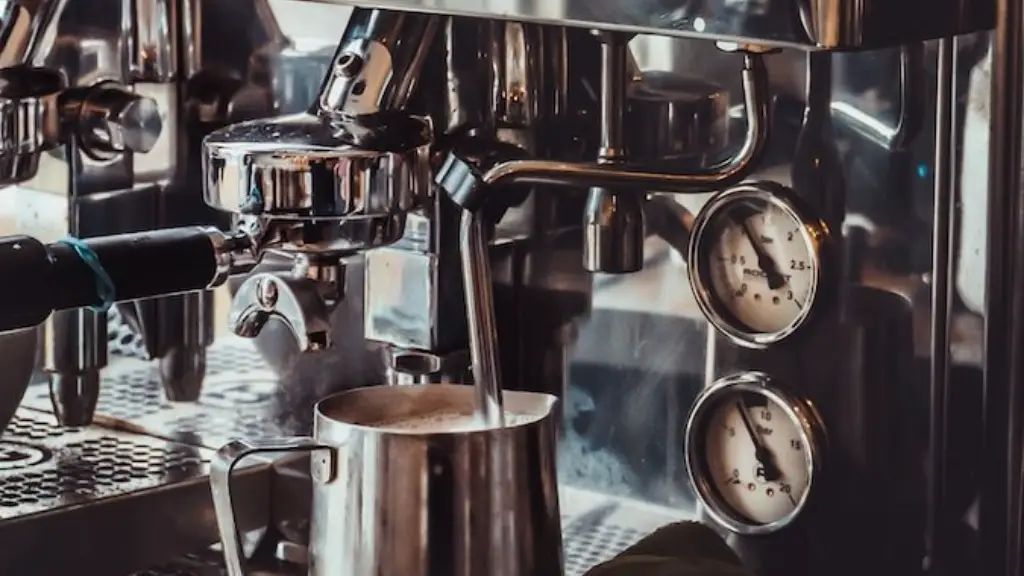
One of the biggest risks associated with drinking coffee on your period is the increased chances of developing an addiction to caffeine. Caffeine is known to stimulate the pleasure center in your brain, which can lead to a person wanting to consume more and more caffeine over time.
An addiction to caffeine can lead to increased cravings for coffee and other caffeinated drinks throughout the day. It can also make it harder to handle stressful situations, as the person becomes accustomed to relying on caffeine to boost their energy levels. Over time this can become a habit that is very hard to break, and can lead to serious health problems if left unchecked.
Ways to Reduce or Avoid Coffee
If you are trying to reduce your consumption of coffee on your period, the best way to do so is to slowly reduce your intake. Start by replacing one cup of coffee per day with a decaffeinated drink like herbal tea or fruit juice. This can help to slowly transition away from caffeine without experiencing any drastic changes in your energy levels.
In addition, you can also make sure to avoid drinking coffee late at night. By doing this, you can reduce the chances of disrupting your sleep cycle and ensure that your body gets the rest it needs. Finally, make sure to drink plenty of water throughout the day as this can help to flush out caffeine and other toxins from your body.
Stress Management and Self-Care
Paying closer attention to your physical and mental health while on your period is key to staying healthy and managing stress. Stress can have an adverse effect on your menstrual cycle, and so can coffee if not consumed in moderation. To reduce the chances of experiencing bad PMS symptoms, try to incorporate regular physical activity, relaxation exercises like yoga and meditation, and regular self-care into your routine.
Making sure that you are getting enough sleep every night is also very important. Studies have shown that sleeping for 7-8 hours can help to reduce stress and improve your overall mental and physical health. Additionally, making sure to consume a balanced diet can provide your body with the vitamins and minerals it needs to stay healthy.
Avoiding Caffeine During Periods
Limiting your overall caffeine intake is the best way to avoid the ill effects of drinking coffee while on your period. If you need an energy boost or want to stay alert and focused during your period, try to replace coffee with naturally caffeinated drinks like green tea or yerba mate. These beverages are lower in caffeine and may provide a gentler energy boost than regular coffee.
In addition, it is important to make sure that you are getting enough rest and exercise throughout the month. Regular physical activity can help to reduce stress and can make PMS symptoms more manageable. It is also important to ensure that you are eating a balanced diet and limiting your consumption of processed and sugary foods.
Minimizing Caffeine and Sugar Consumption
Not only is it important to limit your consumption of caffeine and sugar on your period, but it is also important to make sure you are getting enough sleep. Sleep plays an important role in regulating hormones and can help to reduce the severity of PMS symptoms. Additionally, the antioxidants in herbal tea can help to reduce the effects of stress and can improve your overall mental and physical health.
Finally, making sure to keep your caffeine and sugar intake low throughout the month can help to reduce the chances of experiencing uncomfortable symptoms associated with your period. If you do need a quick energy boost, try replacing regular coffee with a milder and naturally caffeinated drink like green tea.
Understanding Your Body
Understanding your body and learning to listen to it is essential when it comes to managing PMS symptoms. Paying closer attention to the food you are consuming and how it affects your body can help to reduce the chances of experiencing the unpleasant side effects of drinking coffee while on your period.
Keeping track of your diet and lifestyle habits can help to identify any potential triggers and can make it easier to manage symptoms like irritability and fatigue. Additionally, making sure to take some time for yourself to relax and rest can also help to reduce any negative effects of caffeine and stress.
Natural Remedies for PMS
If you are looking for more natural ways to manage PMS symptoms, there are a few remedies that are known to be effective. Massage, aromatherapy and acupuncture are all known to be effective in reducing physical symptom associated with PMS. Additionally, taking hot baths, exercising and going for a walk can also help to manage stress and reduce tension.
Herbal supplements are another option for naturally managing PMS symptoms. Supplements like chasteberry and evening primrose oil can help to regulate hormones and reduce the severity of symptoms. Additionally, mind-body techniques like meditation and yoga can help to reduce stress and improve your overall mental and physical health.
Talking to a Professional
If you find yourself struggling to manage PMS symptoms, it is best to reach out to a medical or mental health professional. A trained professional can provide guidance and support on ways to manage your symptoms and make it easier to cope with the stress and anxiety associated with your period. Additionally, they can also offer advice on ways to incorporate more natural remedies into your lifestyle.
It is important to remember that everyone is different and will have different ways of dealing with their PMS symptoms. Taking the time to understand your body and make changes to your diet and lifestyle can help to reduce any negative effects associated with drinking coffee while on your period.
