
Why Caffeine is Allowed During Fasting
When people start fasting, they are often confused and unsure as to if they can drink coffee while doing so. The answer to this depends on what type of fasting a person is doing, however; in all of these fasting variations, caffeine-based products are generally allowed. In this article, we have gathered opinions from experts and looked into why it is acceptable to consume caffeine while fasting.
Explaining Intermittent Fasting
Intermittent fasting generally refers to an eating pattern which involves alternating periods of eating and not eating. One of the most popular and well-known methods of intermittent fasting is known as the 16/8 method; this involves fasting for 16 hours of the day and eating within an 8-hour period, usually from midday to late evening. This type of fasting is appealing as it gives a person eating freedom within their 8-hour eating period and can easily fit into daily routines.
Benefits of Intermittent Fasting
There are many potential health benefits to intermittent fasting, including increased weight loss as a result of improved insulin sensitivity and increased human growth hormone (HGH). Fasting also improves metabolism and increases energy levels, while also decreasing the risk of chronic illnesses such as type 2 diabetes by reducing inflammation.
Can Caffeine be Consumed During Intermittent Fasting?
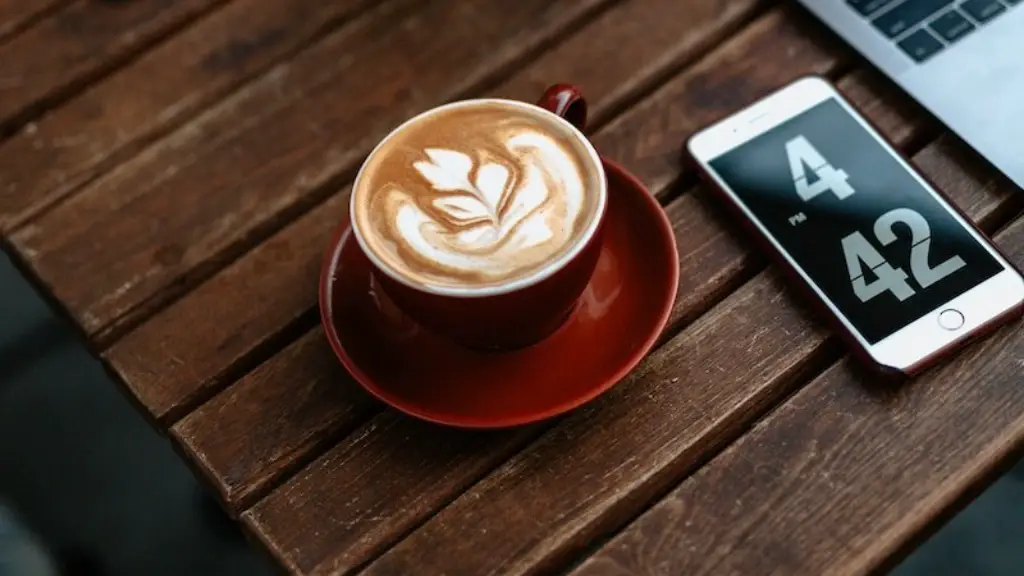
As the last statement might suggest, fasting does not necessarily mean abstaining from all food and drink. Generally, experts will recommend that individuals who are practicing intermittent fasting are allowed to consume coffee and other drinks without calories.
Large amounts of caffeine can have a diuretic effect, meaning it can cause the body to release fluids from the body quickly, as well as resulting in increased blood sugar levels. Due to this, it is recommended that those fasting, who are consuming caffeine, do not exceed more than 500 milligrams, which is equivalent to 4 cups of coffee over the day. A dietitian may suggest an alternative form of caffeine such as green tea if someone is a regular coffee drinker.
Conclusion
While fasting, it is largely accepted to consume caffeine – as it can help some people feel energised and focused while they fast. As long as the amounts are monitored and limited, caffeine consumption will generally not have a negative effect on a person’s fast. Ultimately, it is advised for individuals to listen to the advice of their doctor and dietitian when it comes to intermittent fasting and caffeine consumption.
Effects of Caffeine on Intermittent Fasting
When looking into the effects that caffeine has on intermittent fasting, it is important to distinguish between water-soluble and fat-soluble caffeine. Water-soluble caffeine, such as that found in coffee, prevents dehydration during a fast by hydrating the body efficiently – even though it is a diuretic. Meanwhile, fat-soluble caffeine may contain calories which can disrupt a person’s fast.
Research on Benefits of Caffeine
There have been numerous studies which have looked into the potential benefits of caffeine while fasting and many researchers have found that it can actually have a positive effect on health. A study published in the Journal of the International Society of Sports Nutrition in 2013 found that caffeine can increase endurance, reduce fatigue and even improve mood in those fasting.
Correct Dosing

As previously mentioned, it is important to make sure to take note of the correct amounts when it comes to caffeine consumption while fasting, as high amounts can have a diuretic effect. The Journal of the International Society of Sports Nutrition recommends drinking 200 milligrams of caffeine at a time, to reap the effects mentioned above.
Speeding up Metabolic Rate
Caffeine is a stimulant, meaning it can amp up metabolism. This creates a thermogenic effect which results in increased body temperatures, as well as increased energy expenditure – which also aids in weight loss. When caffeine is consumed during fasting, it can act as an appetite suppressant, meaning it stops the body from craving snacks or other food items with more calories.
When to Avoid Caffeine
In some cases, a doctor or dietitian may advise an individual against the consumption of caffeine while fasting, especially if the person suffers from anxiety or any other mental health conditions which may be triggered by caffeine. This is something that should be discussed with medical experts as each person is different and has different caffeine tolerances.
Tips for Consuming Caffeine While Fasting
When it comes to consuming caffeine while fasting, there are a few tips that can be followed to ensure the best results.
Timing
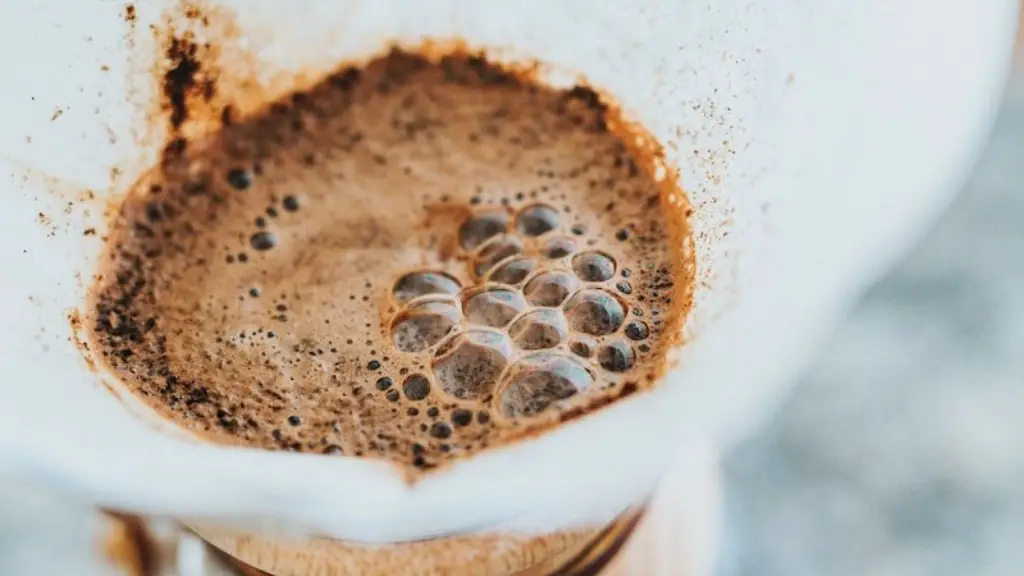
The timing of caffeine consumption is important when fasting. It is recommended to have coffee or other caffeinated drinks early in the day, when energy levels are likely to be the lowest, in order to make the most of the stimulant effects.
Limiting Intake
It is advised to limit caffeine intake to one or two cups per day, as higher amounts can increase levels of stress hormones and disrupt the body’s ability to enter a state of fasting. If a person feels that they are drinking too much caffeine, there are ways to reduce it, such as opting for decaffeinated drinks.
Beware of ‘Caffeine Withdrawal’
Caffeine withdrawal can occur if a person’s caffeine intake drops suddenly, meaning it is important to make any changes to caffeine intake slowly, in order to avoid this. Symptoms of caffeine withdrawal can include headaches, sweating and tiredness.
Negative Aspects of Caffeine on Fasting
There are a few potential negative aspects to caffeine consumption while fasting, depending on the individual and their dietary and health requirements.
Digestive Symptoms

The diuretic effect of caffeine can cause digestive symptoms in some people, including nausea and stomach discomfort. Therefore, it is important for people to be mindful and aware of how their body is reacting to caffeine.
Impaired Gut Health
Caffeine can also impair gut health, meaning digestion may become slower, resulting in bloating, cramps and constipation. Fasting can improve gut health, so it is important not to disrupt this by consuming too much caffeine while fasting.
Sleep Quality
Caffeine can affect the quality of a person’s sleep, which can be important while fasting – as quality sleep helps the body heal and repair itself. If too much caffeine is consumed close to bedtime, it can disrupt natural sleep patterns and make it harder to get to sleep.
Interfering with Nutrient Absorption
Caffeine can interfere with the absorption of nutrients, meaning those who consume it while fasting can find it harder to get vitamins and minerals from their food. This makes it harder for the body to function optimally, so it is important that those who are fasting consume a balanced and healthy diet.
Alternatives to Coffee During Fasting
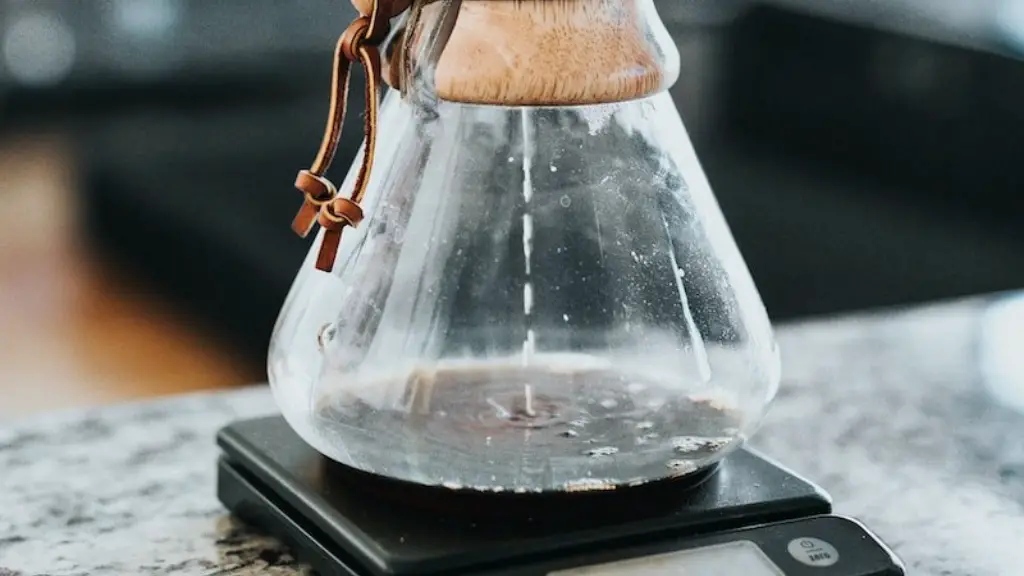
For those who are looking for an alternative to caffeine while fasting, there are a few viable options.
Herbal Teas
Herbal teas are generally caffeine-free, meaning they can be consumed during a fast without disrupting it. Herbal teas are also hydrating and have a range of health benefits, depending on the type.
Water
Staying hydrated is important while fasting and water is a great option – especially as it is calorie-free. Water can also help to flush toxins from the body and improve digestion.
Vegetable and Fruit Juices
Fruit and vegetable juices can be consumed while fasting, as long as they are natural and not packed with other ingredients. Drinking these juices will provide the body with much-needed nutrients, as well as electrolytes and vitamins.
Smoothies
Smoothies are also a viable option for those fasting, as long as they are natural and don’t also contain unhealthy ingredients. Smoothies are a great way to get a range of nutrients, as well as hydrate the body.
How Caffeine Affects Fasting Blood Tests
Fasting blood tests are important for routine medical check-ups, and caffeine consumption can sometimes have an effect on these tests.
Potential Blood Sugar Fluctuations
Consuming caffeine can affect insulin and glucose levels, meaning an individual’s blood sugar may fluctuate faster than usual. For this reason, it is recommended that those who consume caffeine while fasting avoid eating or drinking anything else during their fasting period if they are due a blood test.
Caffeine and Cortisol Levels
Caffeine, as a stimulant, can lead to an increase in cortisol, which is the body’s main stress hormone. High levels of cortisol in the body can lead to physical and mental stress, meaning it is important to ensure it is at a healthy level. If an individual consumes too much caffeine in a short space of time, this cortisol level can spike and interfere with the results of a fasting blood test.
Consequences
If these fluctuations occur, this can lead to an inaccurate reading and the doctor may need to re-run the test. For this reason, consuming caffeine before a blood test can often be more stressful than avoiding it altogether and consuming natural forms of energy such as herbal teas.
Conclusion
Ultimately, while fasting, caffeine can be consumed as long as amounts are monitored and limited. Caffeine can have a positive effect on energy levels and can help to curb cravings, as long as it is consumed within the suggested amounts. It is recommended to speak to a doctor or dietitian to get personalised advice when it comes to caffeine consumption during fasting.
