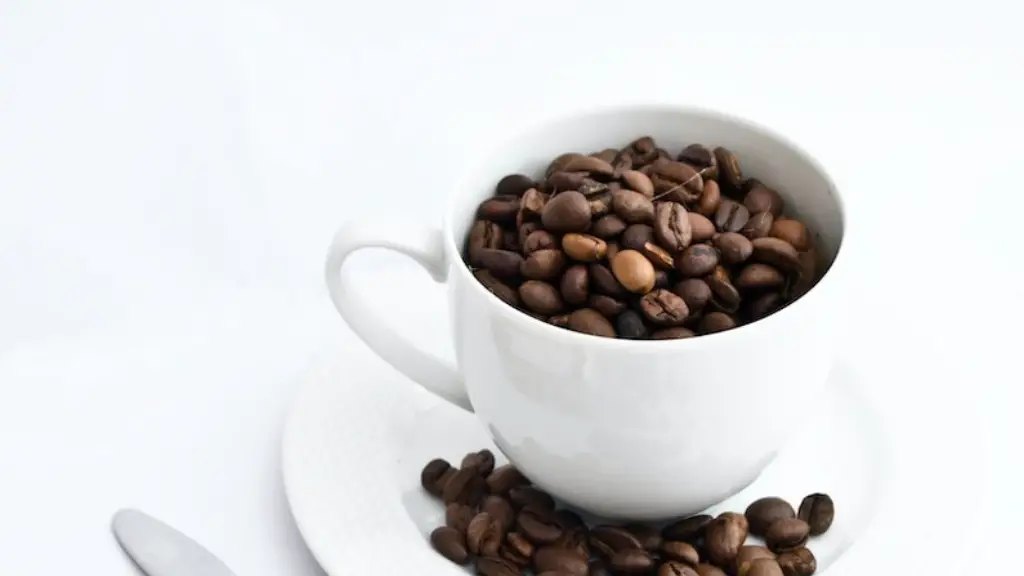
When we need more energy or an extra boost, coffee is often the go-to drink of choice. However, drinking it on an empty stomach can cause more harm than good, and can even lead to some unwanted side-effects. Research shows that coffee on an empty stomach can slow down digestion and your body’s overall ability to absorb vitamins and minerals. Studies have also found that it can cause an increase in cortisol levels and lead to poor sleep patterns. Coffee can also be highly acidic and irritate the lining of the stomach if consumed on an empty stomach.
According to Dr. Anupama Sharma, a preventive medicine physician, “Why should you not drink coffee on an empty stomach? It can cause heartburn, irritability and increased hunger. Blood sugar levels may also drop, making you feel sluggish and causing your body to crave sugary foods or snacks. Caffeine also stimulates the release of acid in the stomach, which on an empty stomach, can cause an upset stomach and even nausea.”
Consuming coffee on an empty stomach can also interfere with proper nutrient absorption, leading to deficiencies in essential vitamins and minerals, such as folate and iron. This can lead to impaired health, increased fatigue and weakened immunity. Additionally, coffee can inhibit the body’s natural ability to store carbohydrates and other vital nutrients, leading to further health complications.
Although coffee can be beneficial in moderation, it’s important to note that when consumed on an empty stomach, it can have unwanted side-effects and health implications. To avoid these, it’s best to consume coffee with food; this will slow down the absorption process and make sure your body gets the full benefits of the beverage.
Adverse Effects of Coffee on Empty Stomach
A major difficulty with drinking coffee on an empty stomach is the uncomfortable digestive side-effects that can result. When you drink coffee on an empty stomach, your stomach acid increases significantly, causing irritation and an upset stomach. It can also cause or worsen issue’s such as acid reflux, bloating and heartburn. Coffee can also irritate your stomach lining if you drink it on an empty stomach; this can lead to pain and discomfort, and even impair nutrient absorption.
How to Avoid Drinking Coffee on an Empty Stomach
If you’re someone who frequently drinks coffee on an empty stomach, then it’s important to start making some changes. Try to eat something before having your cup of coffee in the morning, such as a piece of fruit, a handful of nuts, a slice of toast or a breakfast bar. Eating something small prior to drinking your coffee will help to keep your stomach full, and make it less likely for you to experience the adverse side-effects of having coffee on an empty stomach.
What to Eat With Coffee on an Empty Stomach
When it comes to choosing the right food to eat with your morning cup of coffee, it’s important to choose foods that are high in protein and fiber. Protein and fiber are both essential for good digestion and absorption of nutrients, and will help to keep hunger at bay for a longer period of time. Protein-rich foods, such as eggs, smoked salmon, Greek yoghurt and peanut butter are all great options to have with coffee. Fiber-packed snacks, such as oatmeal, apples and avocados are also great additions to your morning coffee.
Alternatives to Coffee
Although coffee has some great benefits, it’s important to be conscious of the adverse side-effects it can have when drunk on an empty stomach. For those who have difficulty managing their coffee consumption, there are plenty of other alternatives that can provide a similar energy boost. Matcha green tea is a great coffee alternative, as well as chai lattes and even certain herbal teas. Yerba Mate is another great coffee alternative, as it contains naturally-occurring caffeine and is packed full of antioxidants.
Conclusion
Drinking coffee on an empty stomach can increase the risk of adverse side-effects, so it’s important to be mindful of this when considering your morning cup of coffee. If you find it difficult to not drink coffee on an empty stomach, then it’s essential to start eating something small before consuming it. Protein and fiber-rich snacks are great options for this, as they will help to keep you fuller for longer and minimize the chance of experiencing any unwanted side-effects.
