
When it comes to drinking coffee while pregnant, the verdict is out. Some experts say it’s safe in moderation, while others suggest abstaining or restricting the amount of coffee you consume. Therefore, understanding the potential risks and benefits associated with drinking coffee while pregnant is a must.
One of the primary concerns of ingesting caffeine while pregnant is its effects on the unborn baby’s neurological development. Several studies have shown that mothers who consume more than 200mg of caffeine per day may increase their risk of having a baby with lower birth weight, and increase the possibility of miscarriage difficult labor, or having a child with developmental delays.
Due to these possible risks, health experts recommend avoiding coffee and other caffeinated beverages as much as possible and limit intake to 200mg a day.
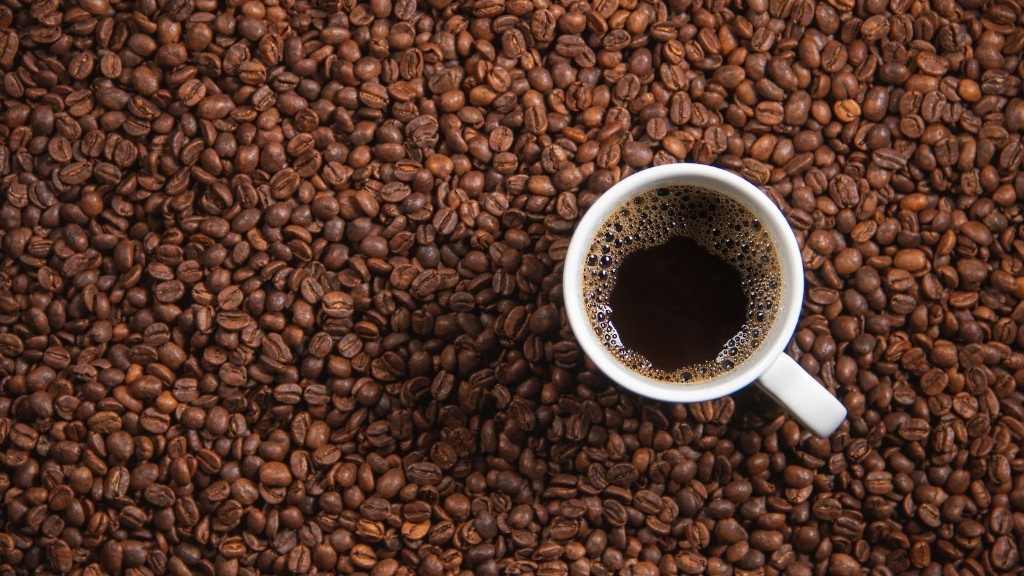
At the same time, coffee carries potential health benefits that are beneficial to pregnant women. Coffee is a rich source of essential nutrients like magnesium, calcium, and antioxidants that can help ward off certain diseases, including type 2 diabetes. Additionally, coffee could help pregnant women feel more awake and energized, which can be especially difficult during the later stages of pregnancy.
In general, it’s best to limit your caffeine consumption to no more than 200mg per day, and if you’re experiencing any concerning symptoms, it’s important to talk to your doctor for their opinion. For those who can’t bear to give up their daily cup of joe, consider switching to a decaffeinated variety and replacing some of your coffee with other alternatives, such as tea or herbal infusions.
No matter how you decide to get your daily dose of caffeine, it’s always wise to consult your doctor for their opinion.
Alternatives
It’s no secret that quitting coffee can be challenging, but exploring tasty alternatives might make the transition easier. Tea is a popular decaffeinated alternative, but it can also provide additional antioxidants that are beneficial to expectant mothers. Additionally, herbal infusions such as ginger and chamomile can help reduce morning sickness and other pregnancy-related discomforts.

For those who prefer to avoid tea and herbal infusions, swapping out some of their coffee for other drinks like juices and smoothies can give them a healthy boost of energy and essential vitamins and nutrients.
Although there is no single “perfect” alternative to coffee, finding something that fits your needs and preferences will help make the transition easier and potentially more rewarding.
Moderation
One of the most important things to consider when trying to determine when to stop drinking coffee when pregnant is moderation. Research suggests that drinking up to 200mg of caffeine per day is relatively safe for both expectant mothers and their babies.
However, it’s important to note that not all sources of caffeine are created equal. For instance, a cup of coffee can contain anywhere between 95-200mg depending on the strength of the brew, so it’s important to understand your sources and be mindful of your caffeine intake.

Additionally, people who are prone to anxiety and elevated stress levels should be extra vigilant of their coffee consumption while pregnant, as caffeine has shown to worsen symptoms.
Caffeine Reduction
Determining when to stop drinking coffee while pregnant is ultimately a personal decision, but trying to reduce your intake is always recommended. Forgoing coffee altogether can be easier said than done, but there are several strategies that can help.
For starters, replace your normally caffeinated drinks with decaffeinated alternatives like tea or herbal infusions. Additionally, substituting some of your coffee consumption for nutrient-rich juices or smoothies can give expectant mothers an all-natural energy boost.
Finally, try to be mindful of your consumption, and be aware of the source. Some coffees will contain more caffeine than others, so pay attention to your order and try to switch to a weaker blend.
Consulting a Doctor

When in doubt, it’s always best to consult your doctor. Even if you keep your daily caffeine intake within the recommended guidelines, your medical provider can tell you what the best course of action should be.
Additionally, depending on your individual circumstances, your doctor may advise you to reduce your caffeine intake even further. For instance, if you’re prone to anxiety or elevated stress levels, caffeine can exacerbate symptoms, and as such, your doctor may recommend reducing your intake as much as possible.
Other Considerations
Although there is no one-size-fits-all answer to the question of when to stop drinking coffee while pregnant, understanding the potential risks and benefits associated with caffeine can help inform the decision.
In general, keeping within the recommended 200mg limit and consulting your doctor for their opinion are two of the most prudent steps for striking the right balance between satisfying your coffee cravings and ensuring the health of the unborn baby.

Lastly, exploring alternatives and being mindful of your caffeine intake while pregnant could be beneficial. After all, when it comes to caring for your unborn baby, the key is achieving a healthy balance.
