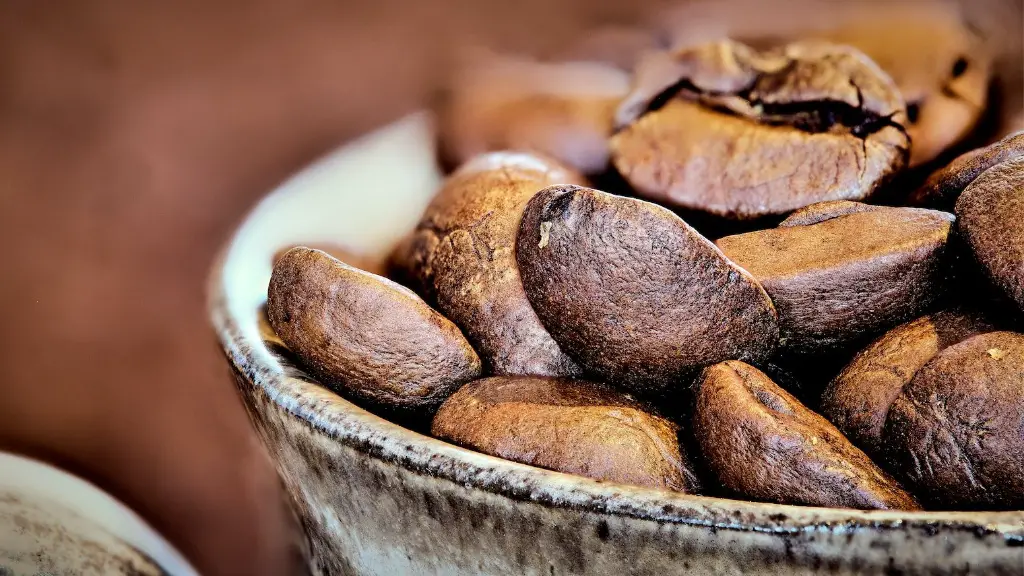
The question of decaf coffee has been a popular topic of discussion amongst healthcare practitioners as well as amongst regular coffee drinkers. For many, the idea of skipping their daily dose of caffeine while still enjoying a cup of something hot is a welcome proposition. The question, then, isn’t so much “why should I drink decaf coffee”, but rather “why should I drink decaf?”
Decaffeinated coffee has come a long way in the past few years. Where previous generations would have taken an instant decaf variety in order to avoid the effects of caffeine, today’s consumers have the option of selecting from a much larger range of high-quality decaffeinated coffee beans.
But beyond simply choosing from various bean varieties, why should one consider taking their coffee in decaf form?
The most compelling reason to drink decaf is that it is a lot healthier than regular coffee. Caffeine has many properties that can disrupt the body’s natural rhythms, increase the chance of anxiety, and even cause physical dependence. By switching to decaf, you can still enjoy the unique flavor notes that some coffees offer, while avoiding many of the potentially problematic side effects of regular caffeine.
Another benefit of drinking decaf is that you may find that your regular cup of joe isn’t as effective in keeping you alert or awake. Caffeine can quickly become a crutch – once the caffeine wears off, you may find yourself needing a stronger dose in order to stay energized. When you drink decaf, you’re unlikely to experience this vicious cycle, as it doesn’t contain any caffeine at all.
Decaf also solves the dilemma of wanting a cup of coffee late in the evening. Drinking regular coffee too close to bedtime can disrupt your sleep cycle – but with decaffeinated varieties, you can still have that cup without worrying about its impact on your rest.
Finally, drinking decaf means that you don’t need to feel badly about “overdoing it” on coffee. While moderate caffeine consumption is generally considered safe, larger amounts or consistently high levels can cause issues such as headaches, irritability, insomnia, and even restlessness -none of which are a problem with decaf.
Benefits of Coffee Taste
In terms of taste, the main difference between regular and decaf coffee is generally assumed to be the intensity of flavor. That doesn’t necessarily mean that decaf is less flavorful – it can be just as or even more full-bodied than regular drinking coffee, though often with a slightly milder profile.
Most importantly, decaffeinated coffee doesn’t need to taste bad. Specialty grade decaf coffee beans still provide many of the delightful flavor notes that have come to be associated with different types of beans, like notes of fruit, chocolate, and caramel, for example.
In addition, when you purchase a decaffeinated coffee variety, you often get the same excellent-tasting beans as you do in non-decaffeinated varieties. That’s because a lot of the time, the process of decaffeination only removes the caffeine, while leaving the flavor profile intact.
Rather than being a sacrifice, then, drinking decaf can still provide an enjoyable and tasty experience with all the regular health benefits.
Potential Drawbacks
The primary drawback of drinking decaf is its price. Decaf coffee is often more expensive than regular coffee, as the process of decaffeination is more time-consuming for coffee roasters, and uses high-quality beans. This makes it generally more costly than non-decaffeinated coffee.
In addition, while decaffeinated coffee beverages do provide some Health benefits, they also will not provide the same brain boost and energy boost that comes with drinking coffee that contains caffeine. And some forms of coffee processing that are used to decaffeinate coffee can leave a slight aftertaste, so it’s important to try different varieties to see what works best for you.
Conclusion
In conclusion, while there are some potential drawbacks to consider, drinking decaf coffee can still deliver an enjoyable and flavorful cup of coffee. And by doing so, you’ll also be getting the health benefits associated with not drinking too much caffeine – avoiding the all-too-familiar “caffeine crash”, for example. The choice is yours – regular or decaf.
Types of Decaffeination
There are several different types of decaffeination that are currently being used to process coffee beans. These various processes differ in terms of their use of chemicals (or lack thereof) and the extent to which caffeine is removed from the beans.
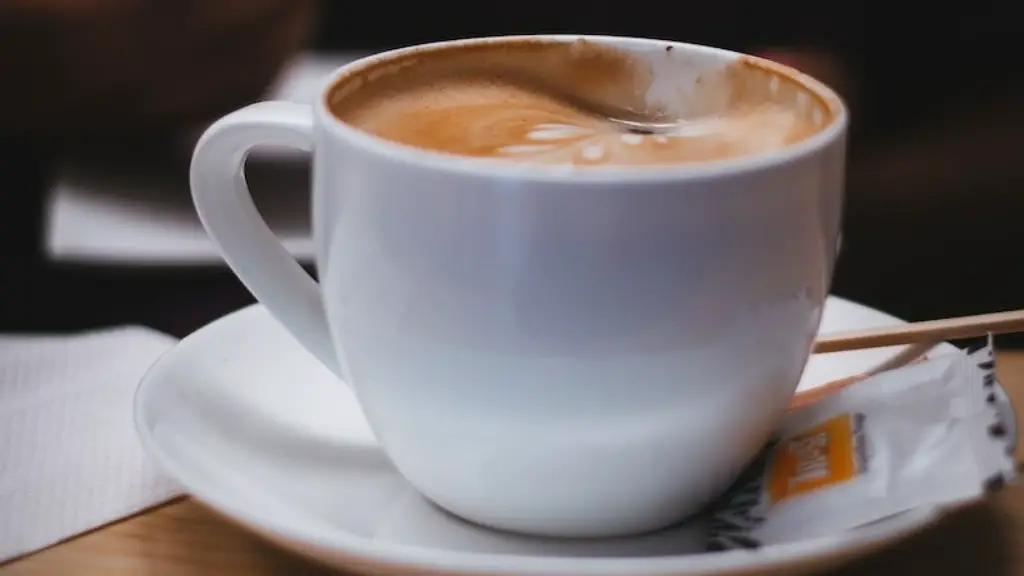
The two main types of decaf processing are the chemical process, where solvents are used to extract the caffeine, and the non-chemical process, which relies on non-solvent techniques. This latter method is the most common, and it involves soaking the beans in a heated water bath in order to draw out the caffeine.
While both processes can be effective, you should investigate the specific process that each individual roaster is using before deciding which type of decaf to purchase.
Decaf Drinks
If you’re looking for more than just a cup of hot decaf coffee, you’ll be glad to know that decaffeinated versions of other popular coffee beverages such as lattes, cappuccinos, and iced coffees are also widely available.
When considering a decaffeinated version of your favorite hot or iced beverage, try to select organic certified options whenever possible, as this will ensure that the beans used were grown without the use of pesticides or fertilizers, leaving you with the cleanest cup of decaf around.
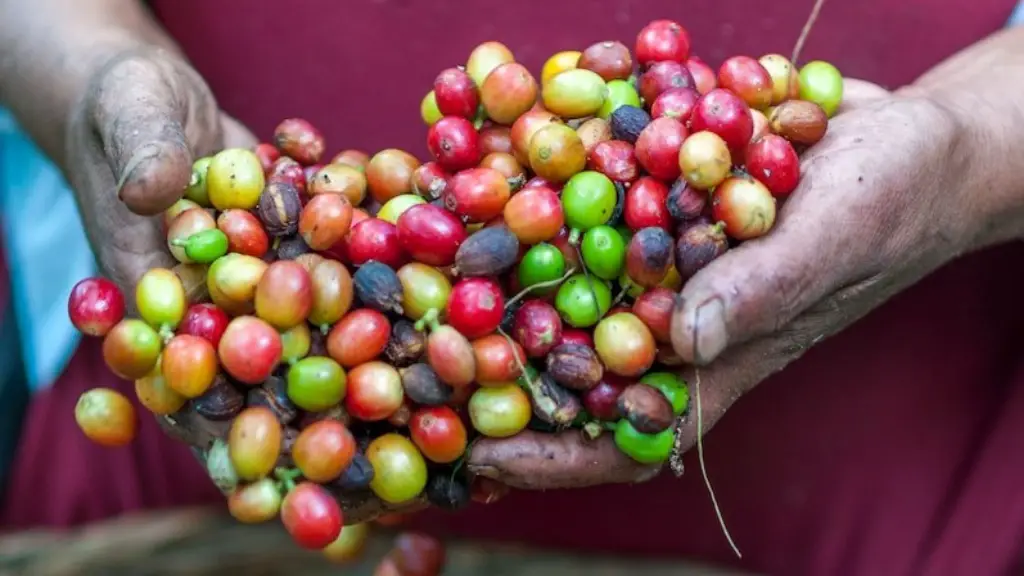
In addition, if you want something even more special than a regular decaf beverage, consider looking for a “naturally decaffeinated” option. This type of process employs a water-based extraction method and forgoes the use of solvents altogether, leaving you with a guilt-free cup of joe.
Decaf Tea and Soda
Believe it or not, you’re not limited to just coffee when it comes to decaffeinated drinks. In recent years, there has been an increase in the availability of decaffeinated tea and soda options, too.
Decaffeinated teas can provide a tasty and low-caffeine alternative to coffee, as tea naturally contains less caffeine than coffee beans. For those who prefer a bubbly experience, decaf sodas are an even better option: they offer a refreshing burst of flavor while still keeping the potential effects of caffeine at bay.
Whether you’re trying to reduce your caffeine intake, want to switch up your daily drink of choice, or just want a better-tasting cup of coffee, decaf options are a welcome way to achieve your goals.
