
In today’s busy world, it can be hard to know when to stop drinking coffee during the day. While daily coffee consumption can provide many great benefits, too much can lead to serious health issues. It’s important to be aware of these issues, and to understand when the best time to stop drinking coffee is.
Caffeine is the active ingredient found in coffee, and it is known to have positive effects on concentration and alertness, as well as improved physical performance. For this reason, many people choose to have regular coffee throughout the day to increase their alertness and focus. However, too much caffeine can cause jitteriness, restlessness, nervousness, and other physical and emotional side effects. Additionally, consuming large amounts of caffeine can interfere with the body’s natural sleep cycles, leading to a poor quality of sleep.
It is important to note that the amount of caffeine varies widely between different types of coffee. For example, espresso contains significantly more caffeine than drip coffee. Additionally, certain specialty drinks, such as Frappuccinos and other café drinks, may contain additional ingredients containing caffeine. For this reason, it is important to read labels or ask about the caffeine content of coffees before consuming them. It’s also important to keep track of the amount of caffeine consumed during the day.

Experts recommend consuming no more than 400-500 milligrams of caffeine per day. This is roughly equivalent to four cups of regular coffee. In addition, it is best to avoid drinking coffee within eight hours of bedtime to ensure that the caffeine has enough time to wear off before sleep. Keeping track of how much caffeine is consumed and avoiding drinking it late in the day are two good ways to ensure that the health benefits of daily coffee consumption outweigh the risks.
For those who find it difficult to stop drinking coffee during the day, there are a few strategies that can be employed. Instead of drinking caffeinated beverages, switching to unsweetened herbal teas or decaffeinated coffee can still provide the taste of coffee without the jitters. Additionally, taking short breaks throughout the day to walk or stretch can be an effective way of combating the effects of caffeine. While these methods will not provide the same level of alertness as caffeine does, it can still help to alleviate some of the potential side effects of drinking too much coffee.
It is important to be mindful of when to stop drinking coffee during the day. While a cup of coffee can be a great way to start the day, it can also be detrimental to one’s health if not consumed in moderation. By following the guidelines mentioned above, it is possible to maximize the beneficial effects of coffee without putting one’s health at risk.
What are the Signs of Too Much Coffee?
One of the most important pieces of advice that can be given when it comes to coffee consumption is ‘everything in moderation.’ But how can one tell if they are consuming too much coffee? Some of the more common signs that indicate too much coffee have been consumed are irritability, difficulty concentrating, insomnia, and anxiety. Additionally, some people may experience a rapid increase in heart rate as well as feelings of jitteriness.

It is important to note that everyone reacts differently to coffee, and some people are able to consume more than others without experiencing any negative side effects. However, understanding the potential side effects associated with caffeine can help to keep coffee consumption in check.
For those that experience some of the symptoms mentioned above, it may be a good idea to take a break from drinking coffee for a few days and see if the symptoms improve. If the symptoms persist, it is best to contact a healthcare professional.
What are the Health Benefits of Coffee?
Despite the potential risks associated with consuming too much coffee, there are a number of health benefits associated with daily coffee consumption. One of the more well-known benefits of coffee is the increase in alertness and energy provided by the caffeine. Additionally, coffee has been linked to a reduction in the risk of developing certain types of cancers, diabetes, stroke, and other chronic diseases.
In addition to these specific health benefits, studies have shown that regular coffee consumption can also lead to a decreased risk of developing mental health problems such as depression and anxiety. Additionally, a moderate intake of coffee has been associated with improved cognitive performance, particularly in older adults.
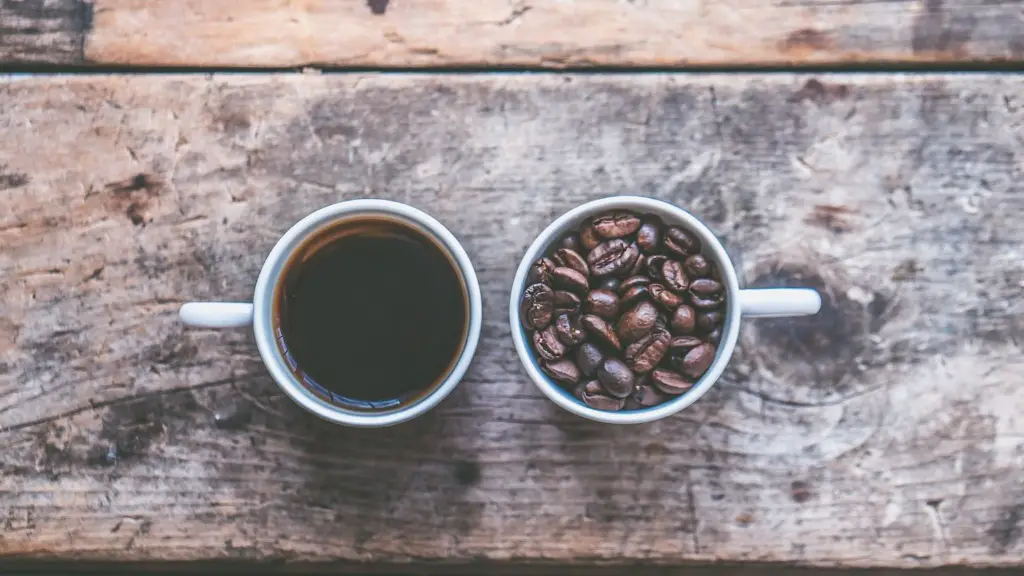
Ultimately, it is important to consume coffee responsibly, and always stay within the recommended daily consumption of 400-500 milligrams of caffeine. By doing so, it is possible to reap the health benefits of coffee while avoiding the potential risks associated with consuming too much.
What Alternatives are Available?
For those wishing to avoid consuming coffee, there are a variety of alternatives available. Tea has been around for centuries and is an excellent way to get the same energy-boosting effects of coffee without any of the jitters. Additionally, there are a number of caffeine-free beverages available, such as herbal teas and decaffeinated coffee.
For those seeking a coffee-like experience without any of the caffeine, chicory and dandelion coffee are excellent alternatives. These beverages are made using roasted and ground roots of the chicory and dandelion plants, and provide a distinctly coffee-like flavor without any of the caffeine.
It is also important to remember that there are plenty of non-caffeinated sources of energy that can be used to get through the day. Eating a healthy diet and getting regular exercise can provide the same level of energy and alertness as caffeine without any of the risks associated with over-consumption. Additionally, taking regular breaks throughout the day to relax and stretch can help to keep energy levels up throughout the day.
How to Limit Coffee Consumption?

For those who struggle with the amount of coffee they drink, there are a few strategies that can be used to limit consumption. One of the most useful is to set daily limits for coffee consumption and stick to them. This can be done by making a plan for the day in advance and setting specific timings for when to have coffee. Additionally, drinking a full glass of water before and after each cup of coffee can also help to reduce overall consumption by making one feel fuller.
Another useful strategy is to switch to lower-caffeine alternatives, such as decaffeinated coffee and herbal teas. These beverages can still provide the desired flavor and energy boost without risking overconsumption. Additionally, keeping track of how much caffeine is being consumed each day can also help to make sure that one remains within their daily limit.
Are There Any Side Effects of Cutting Back on Coffee?
For those who are used to drinking large amounts of coffee, cutting back on consumption may result in some unpleasant side effects. This is known as caffeine withdrawal, and the symptoms can include headaches, fatigue, and even depression. Fortunately, these symptoms usually only last for a few days and can be prevented by gradually reducing the amount of coffee that is consumed.
For those who find themselves unable to completely stop drinking coffee, it may be helpful to try drinking lower-caffeine alternatives, such as herbal teas and decaffeinated coffee. This can still provide the desired flavor and energy boost, but with reduced risk of overconsumption. Regardless of one’s current coffee consumption habits, gradually reducing the amount consumed can help to avoid potential side effects of cutting back.
Can Coffee Have Positive Effects?

Although it is important to limit one’s coffee consumption, it is important to remember that coffee can still have positive health effects when consumed in moderation. As mentioned above, studies have shown that regular coffee consumption can be associated with a reduction in the risk of developing certain types of chronic illness. In addition, a moderate intake of coffee has been linked to improved cognitive performance and a reduced risk of mental illness such as depression.
Overall, it is important to recognize the health benefits as well as the risks associated with coffee consumption. It is also important to be aware of when to stop drinking coffee during the day, and to stay within the recommended daily limit of 400-500 milligrams of caffeine. By doing so, it is possible to get the most out of coffee while avoiding any potential risks.
