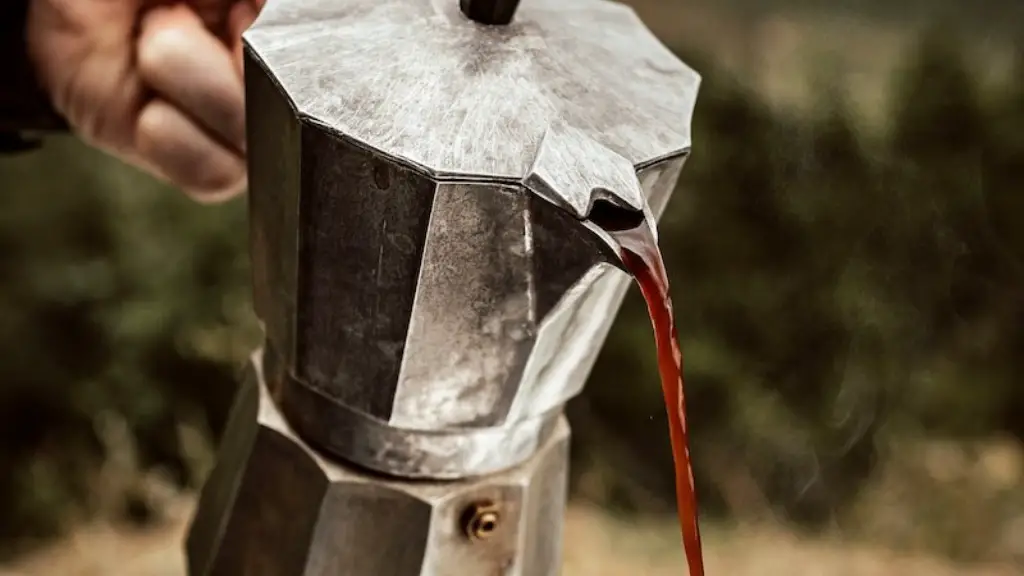
The answer is yes and no. Espresso beans are coffee beans that have been roasted longer, giving them a darker color. They are also ground finer, which makes them ideal for espresso machines. However, any coffee bean can be used to make espresso, so the difference is more in the preparation than the bean itself.
In short, yes espresso beans are different than coffee beans. The main difference is that espresso beans are roasted for longer, which gives them a darker color. Additionally, espresso beans are ground to a finer consistency than coffee beans.
Can regular coffee beans be used for espresso?
Espresso is a type of coffee that is made by forcing hot water through coffee beans that have been ground up. The grind size and type of coffee bean used will determine the flavor of the espresso. Arabica and Robusta beans are the two most common types of coffee beans used to make espresso, but any type of coffee bean can be used.
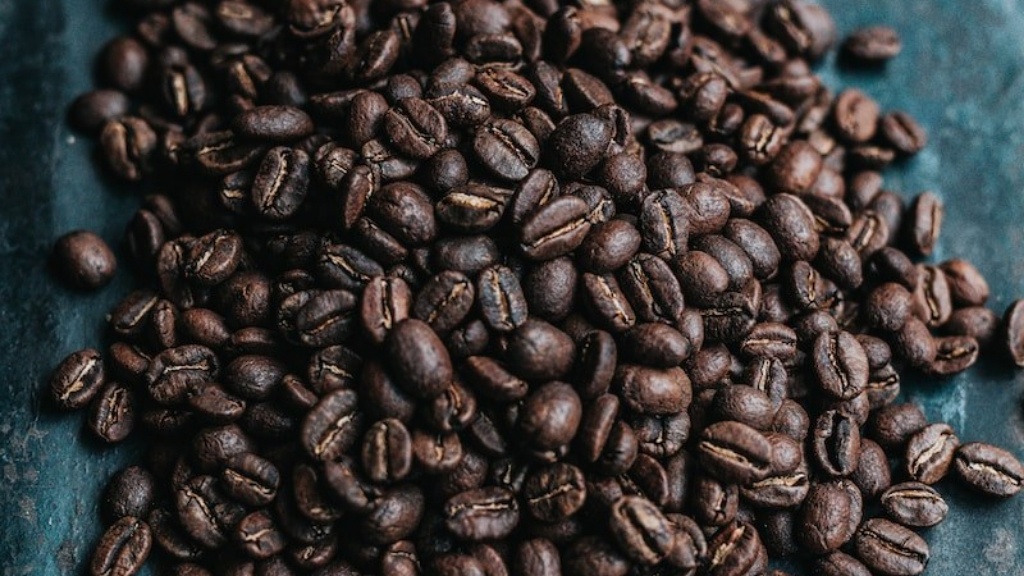
Espresso beans are coffee beans that have been roasted longer and/or ground finer than beans used for other brewing methods. The roaster’s recommendation of how to use the beans is based on the roast and/or grind. If the beans are whole, they are likely dark roasted.
Do espresso beans have more caffeine than coffee beans
A standard cup of regular joe (8 oz of drip coffee) contains about 65-120 mg of caffeine, compared to a 1 oz shot of espresso’s 30-50 mg of caffeine. Espresso’s comparatively higher amount of caffeine-per-ounce has everything to do with its brewing technique and not much to do with the actual coffee beans used.
The Arabica bean is a type of coffee bean that is grown in many regions around the world. The beans are known for their rich, caramelly flavor and are used in many popular coffee blends. Arabica beans are also used in espresso and other specialty coffees.
What type of bean is best for espresso?
There are a few reasons why Arabica is the best coffee for brewing espresso. First, the beans are more consistent in size and shape, which results in a more evenly extracted shot. Second, Arabica beans have more natural sugars, which caramelize during the roasting process and give the coffee a more complex flavor. Finally, Arabica beans have a higher acidity, which helps to balance the sweetness of the espresso.
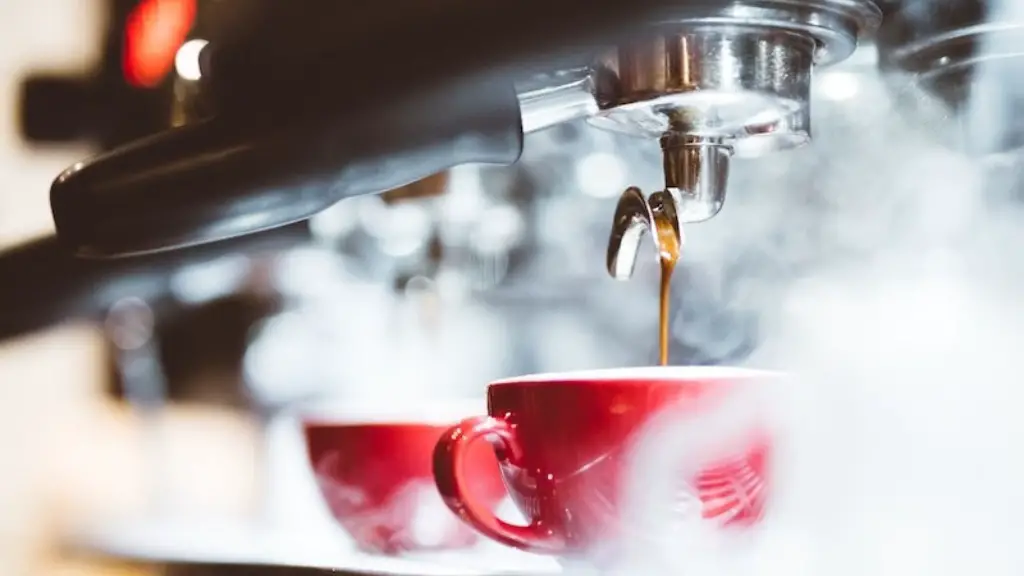
That said, a small percentage of Robusta beans (10-40%) in a blend can actually improve the shot. The Robusta beans add body and crema, which can make the espresso more velvety and rich. So, if you’re looking for a truly delicious espresso, go for a blend that contains mostly Arabica beans with a small percentage of Robusta.
Espresso and coffee differ in the way they are prepared. Espresso is made with finely ground coffee beans that are roasted for a long time, resulting in a dark roast. Espresso requires high pressure to create an ounce or two of concentrated coffee. Coffee, on the other hand, is made with coarsely ground coffee beans that are roasted for a shorter time. This results in a lighter roast. Coffee does not require high pressure to be brewed.
How many coffee beans equal an espresso?
A single shot of espresso coffee generally contains seven grams of coffee beans. This is considered to be the industry standard. This means that a shot of espresso coffee would contain 56 roasted coffee beans (green beans weigh more than roasted coffee beans).
As you can see, an average cup of coffee contains quite a bit more caffeine than an average espresso bean. This means that if you are looking to get a caffeine fix, coffee is generally a better choice than espresso. However, it is important to keep in mind that the caffeine content of both coffee and espresso can vary quite a bit depending on the specific beans used and the brewing method employed, so be sure to do your research before making your final decision.
Why do they put 3 beans in espresso
The espresso martini is a classic cocktail with a rich history. While there are many variations on the recipe, the most traditional garnish is three espresso beans floating on top. These beans are said to represent health, wealth, and happiness. Whether you’re enjoying an espresso martini at home or out on the town, be sure to toast to good health, wealth, and happiness!
Espresso is known for being easier on the stomach for a couple of reasons. First, the combination of high pressure and short extraction time produces a different balance of chemical compounds than the same coffee would in a drip or pour over brew. Second, the coffee grounds used for espresso are typically finer, which also contributes to a smoother, less acidic beverage.
Why is espresso healthier than coffee?
Espresso is a great choice for those looking for a healthier alternative to traditional coffee. It is lower in calories and fat, and can be enjoyed without adding any extra sugars or creams. Espresso is a great way to get an energy boost without sacrificing your health.
Brew a delicious cup of coffee at home with our 100% Arabica coffee. Our coffee is available in K-Cup® pods, bags and cans in a variety of blends, so you can find the perfect taste for you. Whether you like your coffee black or with milk and sugar, we’ve got you covered. Our coffee is sure to please any coffee lover.
Is espresso stronger than coffee
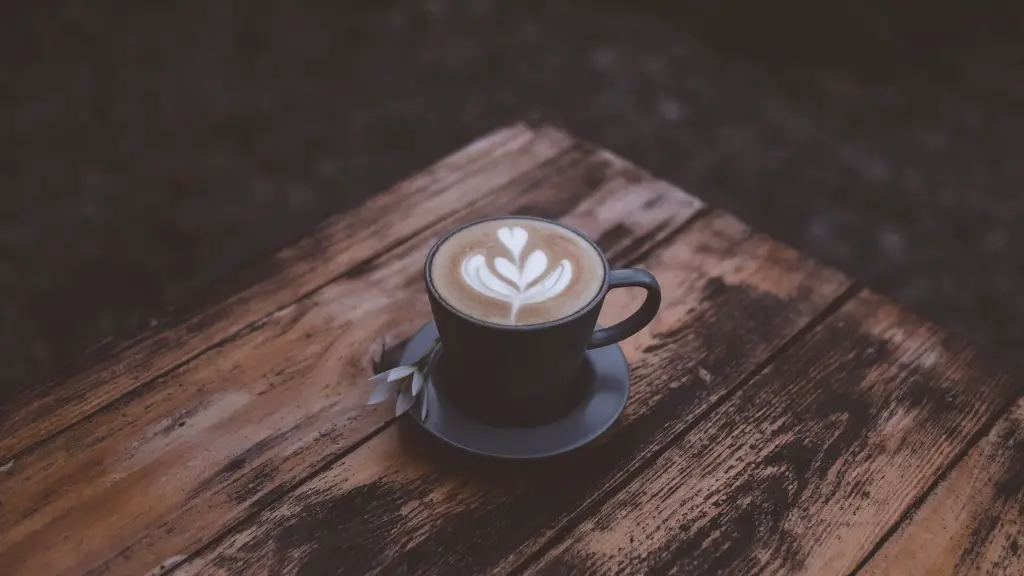
Espresso generally contains more caffeine than regular coffee, ounce for ounce. This is because the brewing process for espresso is more concentrated, resulting in a higher concentration of caffeine in the final product. On average, espresso has 63 mg of caffeine in 1 ounce, while regular coffee has 12 to 16 mg of caffeine in 1 ounce.
These are some seriously good espresso beans. The chocolate is the perfect balance of sweetness and bitterness and the espresso beans provide a nice crunch. I’m not a coffee lover myself, but even I can appreciate these. They would make a great gift for any coffee lover in your life.
What are the 3 types of espresso?
Espresso is a type of coffee that is made by forcing hot water under pressure through coffee beans that have been ground up. The resulting coffee is very concentrated and has a strong flavor.
There are many different types of espresso drinks that you can order, and they can be made with or without dairy. Some common espresso drinks that are made without dairy include: espresso (single), doppio, ristretto, lungo, Americano, con hielo, or rocket (aka shot in the dark, red eye, or black eye).
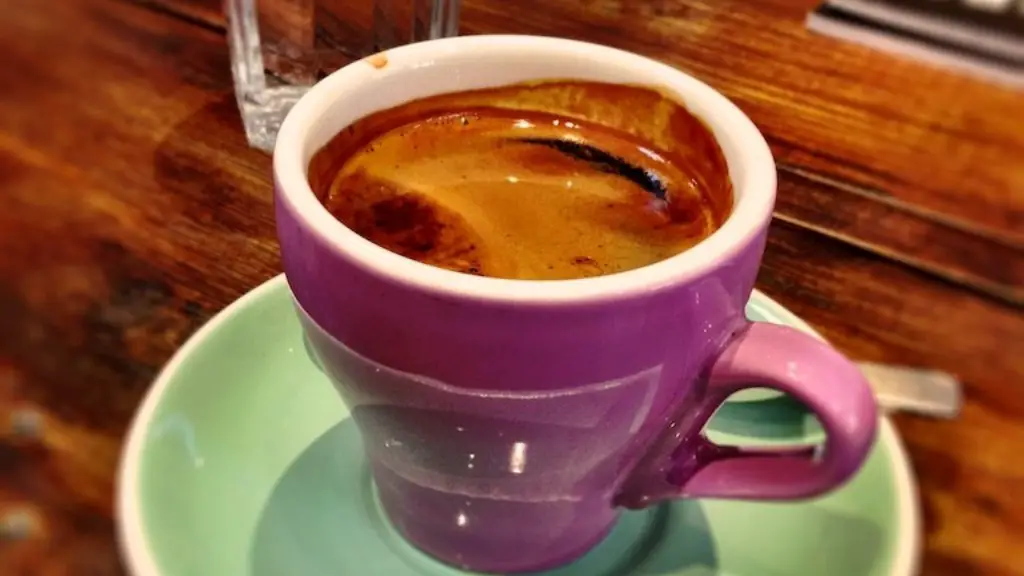
Espresso drinks that are made with dairy include: macchiato, crème, noisette, cortado, cappuccino, breve, mocha, affogato, Viennois, con panna, flat white, or latte.
Folgers coffee is generally designed for pour overs, coffeemakers, or instant coffee drinks. While you can use their pre ground coffee in an espresso machine, it won’t have the same result as an espresso grind. The coffee will be weaker and won’t have the same rich flavor.
What makes an espresso bean different
There is no difference between espresso and coffee beans. The only difference is the way they are roasted and the brewing method. Roasters believe that the espresso blend will make the flavor profile really shine. Coffee is a matter of personal taste and preference—you do you and make coffee the way you love.
If you are having trouble with your coffee extraction, it is likely that the grind size is not ideal. To adjust the grind, simply grind finer if it is too fast, or grind coarser if it is too slow.
Conclusion
Espresso beans are different than coffee beans in a few ways. For starters, espresso beans are roasted for a longer period of time than coffee beans. This results in a darker color and a stronger flavor. Additionally, espresso beans are ground to a finer consistency than coffee beans. This allows for more of the bean’s oils to be extracted, resulting in a richer flavor.
Espresso beans are different than coffee beans because they are roasted longer and at a higher temperature. This results in a more intense flavor and a higher caffeine content.