Overview
Whether you’re an expectant mother who’s already a regular coffee drinker or someone who’s just wondering about the safety of drinking coffee when pregnant, this article is for you. From exploring the reasons why pregnant women may be tempted to drink coffee to outlining advice given by experts and examining the effects of caffeine on the developing baby, this article will provide a comprehensive overview of what’s known about drinking coffee while expecting.
Caffeine in Coffee
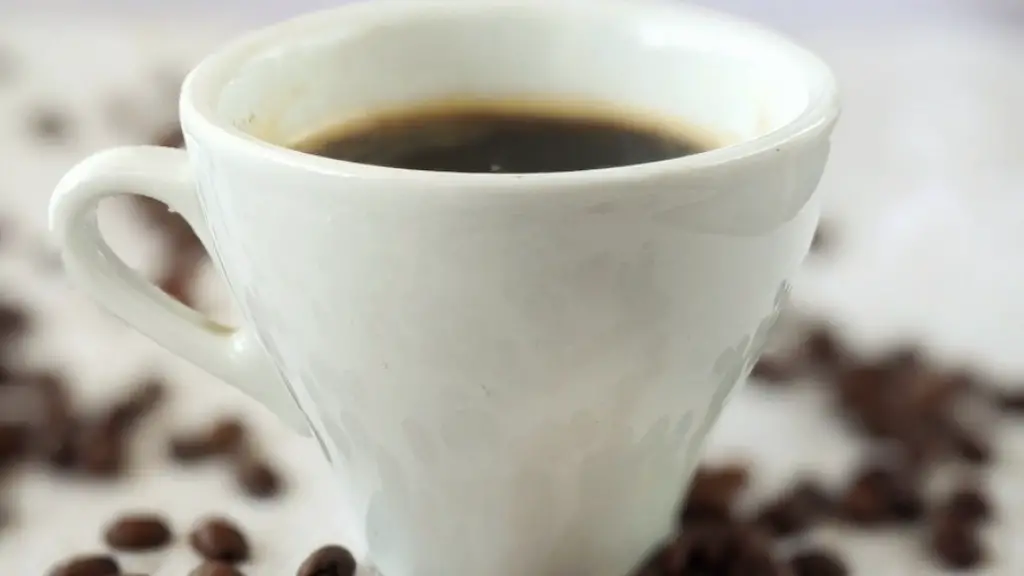
Coffee is one of the most widely consumed beverages in the world, and the major source of caffeine. On average, an 8-ounce cup of brewed coffee has between 70 and 140 mg of caffeine, depending on the type and how it’s prepared. Caffeine is a stimulant drug that affects the central nervous system, which is why it makes us feel more alert. Pregnant women can be especially sensitive to the effects of caffeine because their bodies break it down more slowly than non-pregnant women.
Why Do Pregnant Women Drink Coffee?
Fatigue is one of the most common complaints of pregnancy, and some expectant mothers turn to coffee as a pick-me-up. With the added stress of a growing family, it’s easy to see why some women rely on coffee to get them through their day. Plus, coffee may help expectant mothers who have morning sickness, since some research suggests that the smell of coffee can help reduce nausea.
What Do the Experts Say?
Experts generally agree that pregnant women should limit their intake of caffeine. The American College of Obstetricians and Gynecologists (ACOG) recommends limiting caffeine intake to under 200 mg per day. This translates to about one to two 8-ounce cups of brewed coffee. Other experts, including the March of Dimes and the American Academy of Pediatrics (AAP), advise pregnant women to avoid caffeine altogether.
Effects On Baby’s Development
Caffeine can cross the placenta and reach the baby in utero. Studies show that high levels of caffeine in the maternal bloodstream can cause babies to be born smaller and with a lower birth weight. Drinking coffee during pregnancy can also lead to a greater risk of preterm birth, miscarriage, and other birth defects. While the exact amount of caffeine that’s safe during pregnancy is not known, it’s clear that it can have an impact on the developing baby.
Alternatives to Coffee
Switching to decaf is an option for pregnant women who’d still like to enjoy the flavor of coffee. Decaf coffee has the same flavor as caffeinated coffee but with less caffeine, about 2-12 mg per 8 ounces. However, decaf is still not recommended for pregnant women, since it can still contain up to 10 mg of caffeine. Other alternatives for coffee-lovers include herbal teas, smoothies, and mocktails.
Are Other Caffeine Sources Safe?
Caffeine is found in a variety of other sources besides coffee, such as energy drinks, soft drinks, chocolate, and some medications. Pregnant women should be aware that, while coffee is the highest source of caffeine, it is not the only source. Thus, the advice to limit caffeine during pregnancy applies to all sources, not just coffee.
Nutritional Implications
Aside from the effects of caffeine, expectant mothers should also consider the nutritional implications of drinking coffee. Many pregnant women turn to coffee to help them get through the day, but caffeine is a diuretic, which can increase the risk of dehydration and the loss of important minerals and vitamins. Thus, women who still need the benefits of caffeine should consider opting for healthier sources of energy, such as healthy snacks or exercising.
Conclusion
Pregnant women should be aware of the potential risks associated with drinking coffee, such as the potential for lower birth weight, preterm birth, and other birth defects. While the evidence is still inconclusive, it’s best to err on the side of caution and limit or avoid caffeine during pregnancy. Pregnant women can still enjoy the flavor of coffee by switching to decaf or alternatives such as herbal teas, smoothies, and mocktails. Additionally, women should be aware that caffeine can be found in other sources, such as energy drinks and chocolate, and should be mindful of their overall caffeine intake.
