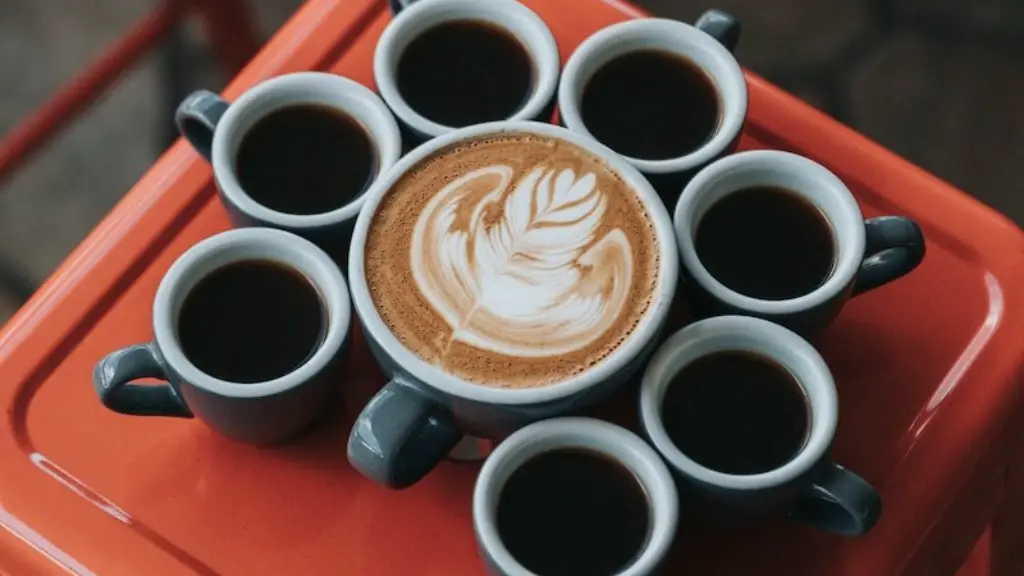
Can a 2 year old drink coffee?
It is a question that many parents ask themselves at some point; can a 2-year-old drink coffee safely? The answer is a resounding no; coffee and other caffeinated beverages are not safe for children under the age of 12, and definitely not for toddlers. Caffeine can be dangerous – even life-threatening – for very young children. It can cause headaches, irritability, restlessness and a host of other symptoms.
It’s important to understand why coffee is dangerous for toddlers and other children. Caffeine is a stimulant and it affects the nervous system. In adults, it can give you a momentary burst of energy and increased focus, but in toddlers, it can cause a rapid increase in heart rate and blood pressure, which can lead to serious health problems. It can also cause dehydration, which can be especially dangerous for toddlers.
It’s also important to note that coffee is only the beginning when it comes to caffeine. Many sodas and energy drinks contain high levels of caffeine, and those should be strictly avoided in young children. Chocolate can also contain caffeine, so parents should be mindful of anything they put in their child’s mouth. Even decaf coffee can contain some caffeine, so if you’re looking for a coffee alternative for your child, it’s best to avoid it as well.
If you think your child has had too much caffeine, or if they’re showing signs of anxious behavior or restlessness, you should call your doctor or take them to an emergency room as soon as possible. Caffeine poisoning can be a serious health hazard for young children, so it’s important to take precautions. Some common symptoms of caffeine poisoning in children include difficulty breathing, hyperactivity, dizziness, and vomiting.
It’s also important to remember that children metabolize caffeine far more slowly than adults. That means that the effects can last longer and can be even more potent. So while coffee might give you a quick jolt of energy, it could be too much for a toddler to handle. Additionally, toddlers can’t make the same judgment calls as adults when it comes to coffee and other caffeinated beverages, so it’s better to not even introduce it to them.
What are the alternatives for a 2 year old?
Naturally, parents want to provide a caffeine alternative for their toddlers. It’s important to provide something that is just as effective as coffee but is free from the health risks associated with caffeine. Here are a few suggestions for caffeine-free alternatives for toddlers:
- Green tea – Green tea is a great source of antioxidants, and it provides many of the same benefits of coffee without the caffeine. It can also help reduce anxiety and stress levels.
- Coconut water – Coconut water is naturally hydrating and provides electrolytes, magnesium, calcium, and a host of other vitamins and minerals. It’s a great alternative to sugary soda and is a great way to keep toddler hydrated.
- Herbal tea – Herbal tea is caffeine-free and is an excellent source of antioxidants. It’s also a great way to provide a naturally flavored beverage without added sugar.
- Fruit and vegetable smoothies – Smoothies are a great way to get toddlers to eat their fruits and vegetables and can be infused with natural sweeteners or almond milk to provide a flavorful and healthy alternative to coffee.
It’s also important to remember that young children require plenty of sleep. Quality sleep is essential for healthy cognitive development, so it’s important to make sure your toddler gets plenty of sleep and avoids high-caffeine and sugary beverages.
What are the developmental benefits of avoiding caffeine?

The biggest benefit of not giving your toddler caffeine is that they will have healthy brain development. Because the brain and nervous system of a toddler is still developing, caffeine can be very disruptive and can interfere with the natural developmental process. Caffeine can also interfere with a good night’s sleep, which is essential for healthy brain development.
Additionally, it’s important to remember that giving your toddler caffeine can increase their chances of obesity and other health problems. Caffeine is not a nutrient and does not provide any essential vitamins or minerals, so it should not be seen as a dietary supplement. Additionally, many caffeinated beverages are high in sugar and calories, which can lead to obesity and other health issues.
Why caffeine should not be used as a crutch?
Finally, it’s important to remember that caffeine should not be used as a crutch for tiredness or to provide a “pick-me-up”. Caffeine is not a substitute for sleep and can have serious repercussions if used in excess. It’s important to give your toddler plenty of opportunities to wind down, rest, and sleep. It’s also important to limit their exposure to screens and devices, as this can disrupt the delicate sleep cycles.
In conclusion, it’s important to remember that coffee and other caffeinated beverages can be dangerous for toddlers and young children. They may not understand the effects of caffeine, so it’s important to avoid giving them any. There are plenty of alternatives to coffee that can provide the same benefits but without the health risks, so it’s important to consider these options first.
Do young children need an energy boost?

Many parents may be tempted to give their toddlers caffeine when they seem to be running out of energy. However, this is misguided and could have serious repercussions. Caffeine is not a substitute for sleep, and it’s important to make sure your toddler is getting enough rest. Additionally, toddlers are naturally active, so they need to be given plenty of time to run and play. Exercise can be a great way to boost energy levels and keep toddlers healthy.
It’s also important to note that young children need nutritious foods and lots of water to stay healthy and energized. Whole grains, fruits, and vegetables can provide the necessary nutrients and vitamins to keep toddlers energized throughout the day. Additionally, it’s important to limit their intake of sugary and processed foods, as these can lead to energy crashes and make it harder for them to focus.
How to avoid caffeine cravings?
While coffee may be a tempting pick-me-up for adults, it should be avoided for young children. Caffeine can be dangerous for toddlers, and it’s important to avoid giving them beverages that contain it. However, it’s still important to understand why coffee can be so tempting, and what parents can do to satisfy caffeine cravings without putting their toddlers in danger.
One of the best ways to avoid caffeine cravings is to make sure you’re getting enough sleep. If you’re feeling fatigued and tempted to reach for coffee, it’s a good sign that you’re not getting enough rest. It’s also important to make sure you’re eating nutritious foods and getting plenty of exercise. Both of
