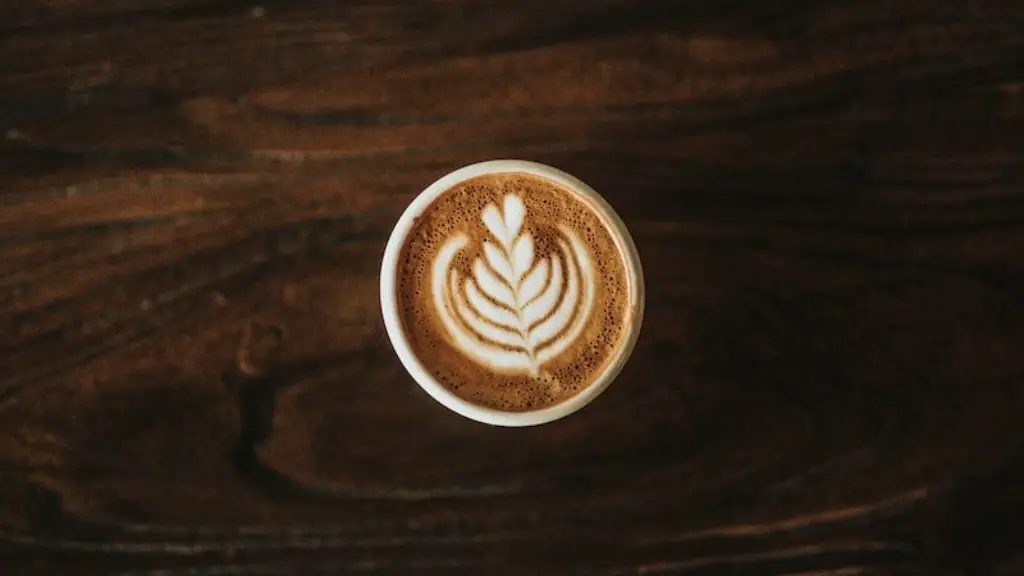
Coffee is one of the most popular beverages in the world. It is enjoyed by people of all ages, including pregnant women. However, the question of whether it is safe for pregnant women to drink coffee has been a topic of debate for many years.
The general consensus among medical professionals is that while drinking coffee during pregnancy may not be harmful, it is important to consume it in moderation. Caffeine consumption during pregnancy has been linked to an increased risk of miscarriage and low birth weight. Therefore, it is important for pregnant women to talk to their doctors about their caffeine intake.
Is it Safe to Drink Coffee During Pregnancy?
Coffee is one of the most popular beverages around the world, and many women enjoy a cup during their pregnancy. But is it safe to drink coffee while pregnant? The short answer is yes, but there are some important things to consider before drinking coffee while pregnant.
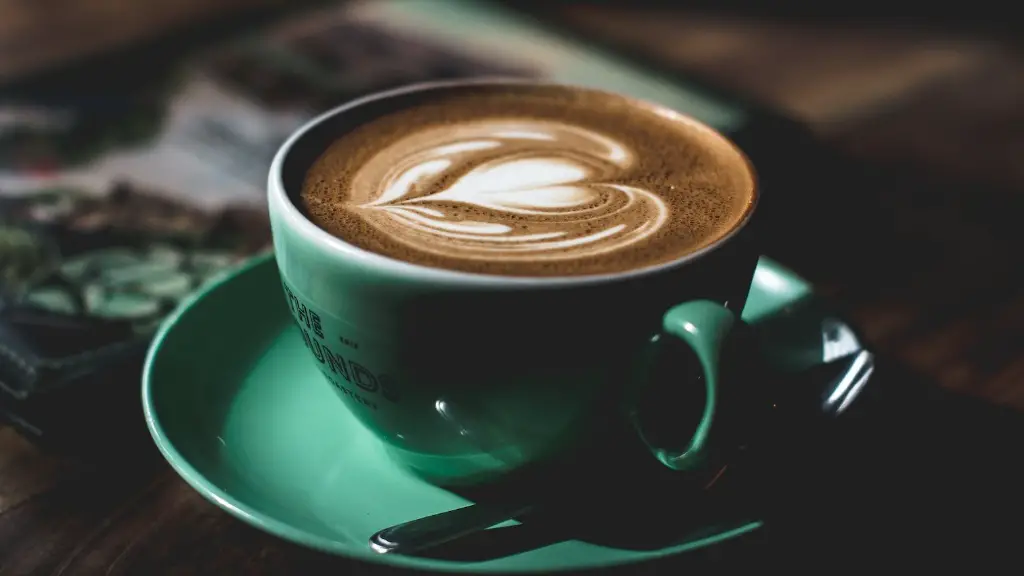
Caffeine is a stimulant that can pass from a pregnant woman’s bloodstream into her baby’s, and too much caffeine can lead to problems like low birth weight and increased risk of miscarriage. Therefore, pregnant women should limit their caffeine intake to no more than 200 milligrams per day. That’s about one 12-ounce cup of coffee. It’s also important to be aware of other sources of caffeine such as chocolate, tea, or energy drinks.
It’s also important for pregnant women to stay hydrated by drinking plenty of water throughout the day. Water is an essential part of a healthy pregnancy because it helps keep your body functioning optimally and prevents dehydration. An adequate intake of water also helps flush out toxins in your body which can be beneficial for both you and your baby.
In conclusion, it is safe for pregnant women to enjoy an occasional cup of coffee but they should be aware that too much caffeine can cause problems for their baby. They should also make sure to stay hydrated by drinking plenty of water throughout the day and paying attention to other sources of caffeine in their diet.
How Much Caffeine is Safe for Pregnant Women?
Pregnancy brings a lot of changes to a woman’s diet, including what drinks are safe to consume. Caffeine is a stimulant that can be found in drinks like coffee, tea, and soft drinks. While some women may enjoy their morning cup of joe, pregnant women must be aware of the potential risks associated with caffeine consumption.
The American College of Obstetricians and Gynecologists (ACOG) suggests limiting caffeine intake during pregnancy to less than 200 milligrams per day. This is equivalent to about one 12-ounce cup of coffee. It is important to note that caffeine can also be present in other foods and beverages, such as chocolate, energy drinks, and certain pain relievers. Therefore it is important for pregnant women to read food labels carefully in order to monitor their daily intake.
It is also important to remember that caffeine consumption can affect each woman differently. Women who are especially sensitive may need to reduce their intake even further or abstain from drinking caffeinated beverages entirely in order to reduce the risk of potential complications during pregnancy.
Ultimately, the decision whether or not a pregnant woman should drink coffee lies with her and her healthcare provider. While there may be benefits associated with moderate amounts of caffeine consumption during pregnancy, it is important for women to discuss any concerns they have with their doctor before making any changes to their diet.
Drinking Coffee While Pregnant
Coffee is a popular beverage consumed by many people on a daily basis. However, it can be difficult to determine if drinking coffee is safe for pregnant women. Drinking coffee during pregnancy has been linked to an increased risk of miscarriage, low birth weight and premature delivery. Therefore, experts suggest that pregnant women limit their intake of caffeine to no more than 200 milligrams per day. This is equivalent to one cup of brewed coffee or two cups of instant coffee. Women who are pregnant should also avoid energy drinks, as they often contain high amounts of caffeine and other ingredients that could be harmful for the baby.
Side Effects of Consuming Caffeine During Pregnancy

Caffeine is a stimulant that has been linked to several potential side effects during pregnancy. Studies have shown that consuming large amounts of caffeine can lead to an increased risk of miscarriage, preterm birth, and low birth weight. Caffeine can also cause insomnia, restlessness, and anxiety in some pregnant women. Additionally, caffeine can reduce the amount of iron absorbed by the body, which is important for healthy fetal development. It is generally recommended that pregnant women limit their caffeine intake to 200 mg per day or less.
When it comes to drinking coffee while pregnant, it is best to limit your intake. If you do choose to drink coffee, opt for decaf varieties or limit yourself to no more than one cup per day. It is also important to note that other sources of caffeine such as tea and energy drinks should be considered when calculating your daily intake. Additionally, it is important for pregnant women to avoid other sources of caffeine such as chocolate and candy as well as certain medications.
Overall, it is important for pregnant women to be aware of the potential side effects associated with consuming caffeine during pregnancy. By limiting your intake and avoiding other sources of caffeine altogether, you can help ensure a healthy pregnancy for both you and your baby.
Can a Pregnant Woman Drink Coffee?
Decaffeinated coffee can be consumed during pregnancy, however it is best to consume in moderation. High amounts of caffeine can lead to health risks including birth defects and premature labor. Decaffeinated coffee still contains trace amounts of caffeine, so it is important for pregnant women to be mindful of how much they are consuming. Pregnant women should limit their intake to 200mg or less per day.
It is also important to note that decaffeinated coffee does not necessarily mean ‘caffeine-free’. Some decaffeinated coffees still contain small amounts of caffeine, so it is best for pregnant women to read the label and understand the contents before consuming any type of coffee.
A balanced diet and lifestyle is essential for a healthy pregnancy. It is always best to consult with your healthcare provider before making any dietary changes while pregnant.
Alternatives to Drinking Coffee During Pregnancy
Pregnant women can still enjoy the benefits of caffeine without drinking coffee. There are plenty of other sources of caffeine such as tea, chocolate, and energy drinks. Some of these alternatives may have lower levels of caffeine than coffee, so it is important to be mindful when consuming them. If a pregnant woman is looking for something to replace coffee, she might consider herbal teas such as chamomile or peppermint. Both have a mild flavor and are caffeine-free.
For those who are looking for a more flavorful option, decaffeinated tea or cocoa can be a great choice. While these drinks still contain small amounts of caffeine, it will usually be much less than in regular coffee. Additionally, some brands offer decaffeinated versions of energy drinks which can provide an extra boost of energy without any caffeine at all. It is important to remember that no matter what type of drink a pregnant woman chooses, moderation is key.
The Bottom Line
Coffee can be enjoyed in moderation by pregnant women, with special consideration for caffeine intake. It is important to note that the amount of caffeine pregnant women consume should not exceed 200 milligrams a day. This is why it is recommended that pregnant women reduce the amount of coffee they drink or switch to decaffeinated options. Pregnant women should also talk to their doctor or midwife if they are concerned about drinking coffee during their pregnancy.
