
There is a lot of debate surrounding whether women should continue to drink coffee during their menstrual cycles. Some studies suggest that women who drink coffee before and during their menstrual cycles are at greater risk for fertility problems and other health issues in the long term. On the other hand, there are those who believe that coffee can have some positive effects on the body during a menstrual period.
Recently, researchers have looked into the potential benefits coffee can have on the body during menstruation. They have found that it does not have to be completely eliminated from the diet. Coffee contains chemicals that can help reduce the pain associated with periods. It also increases dopamine levels, which can lead to an overall feeling of calm and wellbeing. Furthermore, caffeine can increase alertness and reduce fatigue during a menstrual cycle, helping women to complete the tasks that they need to.
It is important to note, however, that there are several potential risks associated with drinking coffee during your period. For example, caffeine has been linked to an increased risk of breast cancer and other reproductive health issues. It can also increase the intensity of cramps, as well as causing irregular periods. Additionally, too much caffeine can lead to insomnia and anxiety.

In order to ensure that caffeine consumption is safe and beneficial during menstruation, it is advised that the daily intake should not exceed 300mg – the equivalent of around two cups of coffee. Drinking too much coffee can lead to dehydration, so it is important to increase water intake when drinking coffee. Furthermore, if you suffer from any health conditions, such as high blood pressure, it is advisable to speak to your doctor or healthcare professional regarding the potential risks of drinking coffee during menstruation.
Overall, it is clear that there are both positive and negative aspects to drinking coffee during a woman’s menstrual cycle. Whenever possible, it is best to follow the recommended guidelines and speak to a healthcare professional to get an informed opinion. When done in moderation, a cup of coffee can provide many benefits during a menstrual cycle and help to reduce symptoms.
Effects of Caffeine On PMS Symptoms
The effects of caffeine on premenstrual symptoms are not fully understood, yet many women claim that they experience a reduction in their PMS symptoms when consuming coffee prior to their period. Research suggests that caffeine can reduce the severity of PMS symptoms, such as physical and emotional discomfort. Caffeine is thought to be an anti-inflammatory agent and can reduce painful cramps, thus improving overall wellbeing.
Caffeine is also considered to have a positive effect on mood during the premenstrual phase. It reduces the level of prostaglandins, which are hormones that are associated with PMS. Additionally, it increases dopamine production in the brain, which can alleviate feelings of depression and improve one’s mood. It is important to note, however, that too much caffeine can lead to anxiety and other negative emotions.

The effects of caffeine on the body are short-lived, which is why it should not be consumed too frequently. Consuming caffeine for more than three days per cycle can increase the risk of headache, palpitations and anxiety. Furthermore, caffeine can also worsen pre-menstrual acne, as it stimulates the sebum glands and increases the rate of oil production.
Therefore, although there are potential benefits of consuming modest amounts of caffeine prior to your menstrual cycle, it is important to take into account the potential risks and consult a doctor if you are concerned about any of your symptoms. If the recommended amount is followed and monitored, caffeine can be beneficial for those experiencing PMS.
Adverse Effects on Reproductive Health
Many studies have suggested that caffeine can have an adverse effect on a woman’s reproductive health. Caffeine has been linked to a decrease in fertility in women, as well as a higher miscarriage risk, especially if consumed in large amounts. Evidence suggests that consuming more than 300 milligrams of caffeine per day can lead to a decrease in oocyte quality, leading to a lower chance of successful fertilization.
Caffeine can also lead to irregular periods and can delay the start of sexual maturation in adolescents. Furthermore, it has been linked to an increased risk of ectopic pregnancies and endometriosis, as well as changes in ovulation patterns and irregular menstrual cycles.
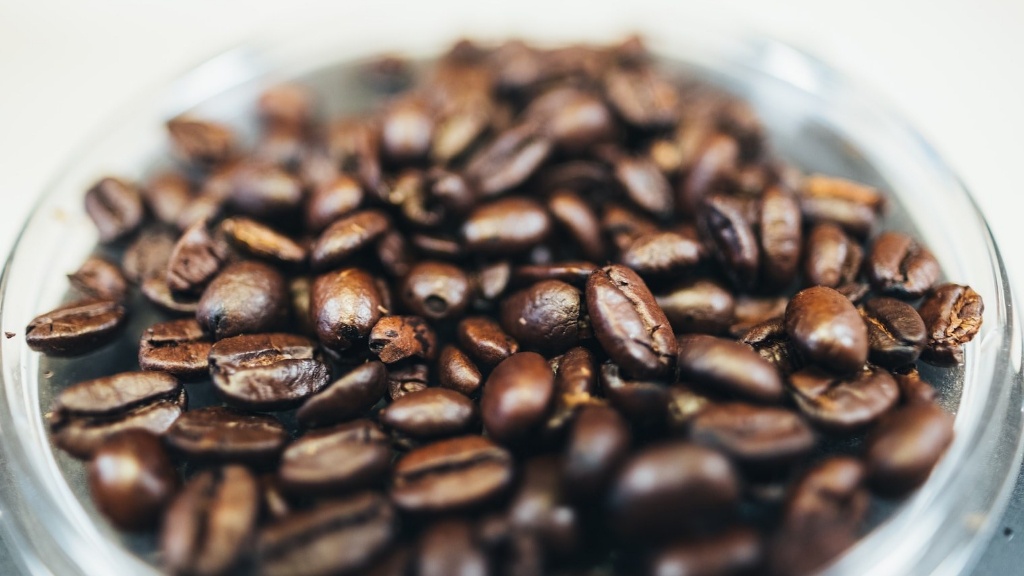
Although these associated risks should be taken into consideration, moderate amounts of caffeine have been found to have no adverse effects on fertility or other reproductive health issues. Moderate coffee consumption is not thought to have major long-term effects, but it is important to speak to your doctor if you have any concerns.
As such, it is advised to follow the recommended guidelines and limit caffeine intake to no more than 300 milligrams a day during your menstrual cycle – the equivalent of around two cups of coffee.
How To Reduce Caffeine Consumption
Given the potential risks associated with consuming too much caffeine during a menstrual cycle, it is recommended to reduce your intake. The first step is to identify where your caffeine consumption is coming from and determine which sources can be eliminated. For example, it may be more beneficial to switch to decaffeinated coffee and tea, and avoid energy drinks and energy bars.
It is also important to drink plenty of water and other non-caffeinated beverages throughout the day. Aim for 8 to 10 glasses of water a day, as this will help to keep your body hydrated and reduce the overall amount of caffeine consumed.

Additionally, it can be helpful to switch to low-caffeine or decaffeinated alternatives. Green and white tea, as well as herbal infusions, are all caffeine-free and can be consumed daily. Furthermore, there are decaffeinated versions of many drinks available, such as coffee and soft drinks, which will help to reduce your overall caffeine intake.
Finally, it may be beneficial to reduce the amount of energy-boosting supplements that contain caffeine. Many of these products may contain higher levels of caffeine than you realise. It is important to read the labels carefully and ensure that you are not consuming more than the recommended daily limit.
Benefits Of Caffeine During Menstruation
Despite the associated risks, modest amounts of caffeine during a menstrual cycle can provide some beneficial effects. For example, research suggests that caffeine can reduce headaches, improve concentration and increase energy levels, helping to improve one’s overall wellbeing.
Caffeine can also increase dopamine production, which can lead to improved mood, alertness and focus, as well as reducing fatigue. Furthermore, it can reduce the intensity of cramps and other pre-menstrual symptoms, leading to a more comfortable period.

Finally, it is thought that the antioxidants present in coffee can provide some protective benefits against cancer and other diseases. Although further research is needed, current studies suggest that regular, moderate coffee intake can reduce the risk of certain cancers, such as breast and colon cancer.
Coffee Alternatives During Menstruation
For those looking to reduce their caffeine intake during menstruation, there are many alternative beverages and drinks available. Fruit and vegetable smoothies, as well as herbal tea infusions, are all caffeine-free and can provide health benefits. These drinks are rich in vitamins and minerals, which can help to reduce menstrual symptoms and maintain overall wellbeing.
Juices and sports drinks are another option, although it is important to be aware of the sugar and other additives in these drinks. Additionally, there are many decaffeinated coffee options available, such as Swiss Water Process decaffeinated coffee, and other drinks that contain the same benefits as regular coffee but with less caffeine.
Finally, it may be beneficial to increase your intake of water and other non-caffeinated beverages. Aim for 8 to 10 glasses of water a day, as this will help to maintain your energy and keep your body hydrated.
The Verdict
Overall, it is clear that there are both positive and negative aspects to consuming coffee during the menstrual cycle. While drinking moderate amounts of coffee can provide many benefits, it is important to be aware of the potential risks and take precautions such as maintaining a healthy lifestyle, reducing caffeine intake and increasing water intake.
In addition, if you are concerned about any of your symptoms or have any health conditions, it is important to speak to your doctor or healthcare professional. When done in moderation, a cup of coffee can help reduce symptoms and provide much needed relief during a menstrual cycle.
