
Coffee is the go-to drink for many people. Not only does it give you a much-needed pick-me-up, but there may also be other health benefits associated with coffee. However, can drinking too much coffee cause constipation?
Constipation is a common digestive problem, and it affects millions of people worldwide. It occurs when someone experiences difficulty passing a bowel movement. Symptoms can include feeling bloated or having a stomach ache, difficulty passing stool, and other gastrointestinal issues. While there are many potential causes of constipation, one of them happens to be drinking coffee regularly.
Caffeine, one of the main components of coffee, is known to be a strong laxative. For some people, this means that coffee can stimulate bowel movements and help keep them regular. However, people who drink coffee on a daily basis can become desensitized to the effects of caffeine over time. As a result, it can become less effective as a laxative and may, in fact, cause constipation.

Experts note that drinking large amounts of coffee can lead to dehydration. Dehydration can contribute to constipation, as there is not enough fluid in the body to soften stools and keep them passing through the gut. It’s also important to note that the type of coffee you drink may have an effect on constipation. Some coffees have more caffeine than others. Lattes, for example, may have more caffeine than regular drip coffee, so be sure to choose your coffee wisely if you’re concerned about its effect on your digestion.
It’s important to strike a balance when it comes to coffee drinking. A cup a day is usually enough to get the desired benefits, and if you find yourself needing more, it may be best to cut back or switch to a lighter brew. You can also monitor your overall caffeine intake, as sex and body weight can also affect how caffeine affects you.
Experts advise taking other steps to help reduce constipation, such as drinking plenty of water, getting regular exercise, and eating a diet high in fiber.
In conclusion, it is possible for drinking too much coffee to cause constipation, especially for those who drink it on a daily basis. However, there are a few simple steps that can be taken to reduce its effects, such as drinking in moderation and monitoring caffeine intake. Additionally, experts suggest eating a fiber-rich diet, drinking lots of water and getting regular exercise. All of these simple steps can help keep constipation at bay.
Impact of Coffee on the Gut
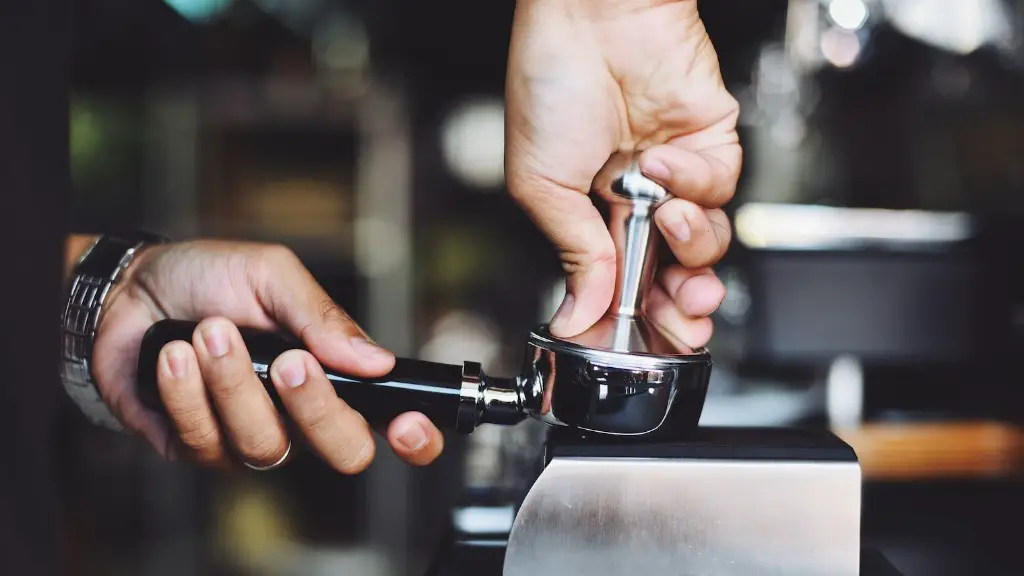
The impact of coffee on the gut has been a topic of interest for researchers all over the world. Some studies suggest that drinking coffee can help reduce the risk of developing certain gastrointestinal conditions such as ulcerative colitis, while others point to a potential increase in constipation. But what exactly is happening in the gut when we drink coffee, and how does that impact our digestion?
Caffeine is known to increase the amount of stomach acid produced, which can in turn lead to an altered gut flora and balance of fats in the intestines. Additionally, it is believed that a large influx of caffeine can irritate the lower gastrointestinal (GI) tract and reduce muscle contractions in the large intestine, ultimately leading to constipation.
Although coffee is known to be beneficial for certain gut conditions, it is still important to note that moderation is key. Too much coffee can have a negative effect on the gut and can contribute to constipation and other digestive issues. Therefore, it is essential to drink in moderation and to listen to your body’s cues about whether or not drinking coffee is beneficial for you.
Drinking coffee in moderation can have many benefits for gut health, such as reducing the risk of certain gastrointestinal conditions. However, it is important to note that too much coffee can negatively impact the gut and may contribute to constipation. Therefore, it is important to consume in moderation.
Risks of Long-term Coffee Consumption
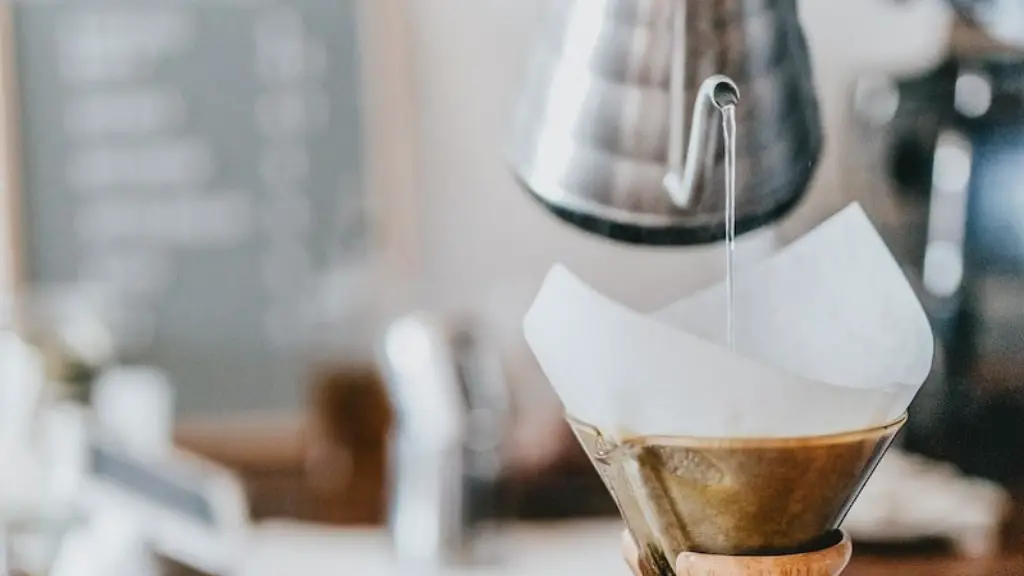
Regularly drinking coffee is a popular tradition for many, but the risks associated with long-term coffee consumption are important to consider. More and more studies are uncovering side effects of excessive coffee consumption, and it can be seen that regularly drinking large amounts of coffee can put one at risk for several health issues.
One particular health concern with regularly drinking large amounts of coffee is dehydration. Dehydration is a major contributing factor to constipation, so if you are drinking lots of coffee it’s important to create a healthy balance by making sure you drink plenty of water as well. Additionally, regular coffee consumption can lead to mineral and vitamin deficiencies, as caffeine is known to interfere with the absorption of key vitamins and minerals.
Studies have also linked excessive coffee consumption to anxiety and insomnia, as caffeinated drinks can make it difficult to relax. These symptoms can make it more difficult for the body to properly move waste through the digestive system, leading to constipation.
Overall, regularly drinking large amounts of coffee can have many risks associated with it. It is important to be mindful of your caffeine intake, and to ensure that you are drinking in moderation. Additionally, make sure that you are eating a balanced diet and drinking plenty of water to ensure that your digestive system is running smoothly.
Other Causes of Constipation

Coffee is not the only cause of constipation. Stress, poor diet, inadequate fluid intake, and lack of exercise can all play a role in an individual’s digestion and can lead to constipation.
Stress is a well-known contributor to digestive issues, as it signals to the brain that digestion should slow down. Additionally, stress hormones can affect the muscles of the colon, leading to a slowed transit time and reduced bowel movement frequency.
Eating a diet that is high in processed foods and low in fiber can also contribute to constipation. Eating a diet that is low in fiber means that waste and toxins are not being removed from the body regularly, leading to an accumulation and constipation. To combat this, making sure to incorporate plenty of fibrous fruits and vegetables into your diet is key.
Sedentary lifestyles and lack of physical activity can also lead to constipation. Exercise helps to stimulate muscles in the intestines and helps to keep the digestive system regular. Increasing physical activity can help reduce constipation, as well as increase overall energy levels and mood.
Constipation can have many causes, and it’s important to take into consideration all factors when trying to determine its cause. Additionally, it is important to be mindful of your caffeine intake and to drink in moderation. Lastly, making sure to drink lots of water, move your body and eat a healthy, whole foods-based diet can help to keep your digestive system healthy and regular.
Tips to Reduce Constipation
If you suffer from chronic constipation, there are several things you can do to ease your symptoms. One of the most important is to increase your intake of water and other fluids. Fluids help to soften stools and keep your digestion regular. Additionally, aiming for at least 30 minutes of exercise daily can help with constipation, as physical activity encourages intestinal muscles to move waste through the body.
Eating a balanced and fiber-rich diet can also help keep constipation at bay. Many fiber-rich foods such as whole grains, beans, fruits and vegetables can help keep your digestive system running smoothly. Additionally, certain supplements such as probiotics and fiber supplements can help with constipation as well, and are worth considering if you suffer from frequent constipation.
Making sure to take time to relax and unwind can also help reduce constipation-related symptoms. Stress and anxiety can both contribute to digestive issues and constipation. Taking the time to breathe, meditate, and do things that bring you joy can help you stay relaxed and can reduce digestive issues and constipation.
Although constipation is a common issue, it is important to take the steps necessary to reduce its frequency. Taking the time to change your diet and lifestyle can be beneficial, and can help to make your digestion healthier and more regular. Additionally, drinking in moderation and being mindful of your caffeine intake is essential for reducing constipation-causing symptoms.
