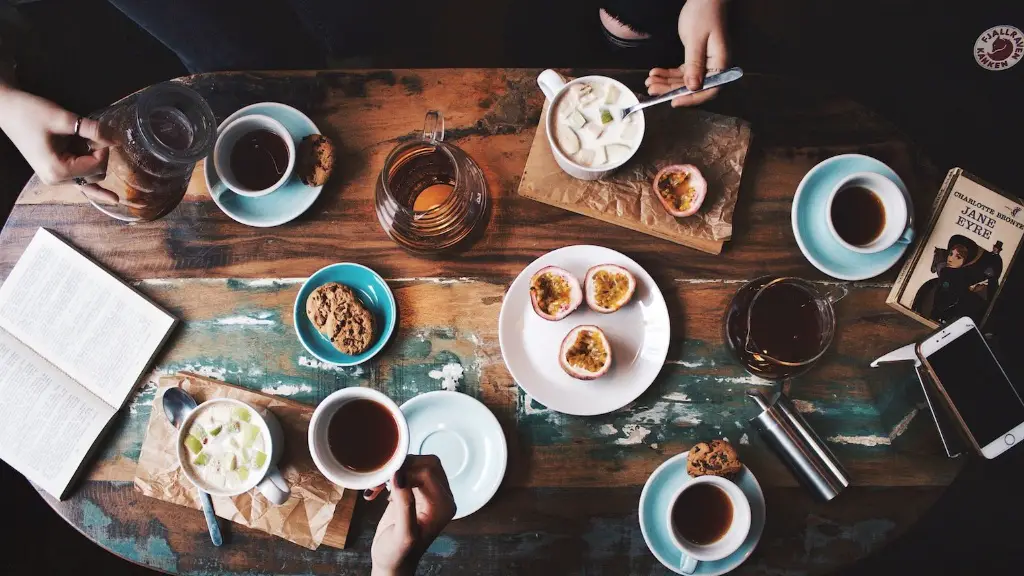
What is Coffee
Coffee is the most widely consumed beverage in the world. Made from the roasted beans of the coffee plant, it is a brewed drink that contains caffeine. It is typically prepared by pouring hot water over ground coffee beans and allowing it to steep until the desired strength is reached. Coffee can be served hot or cold, and is often flavored with cream, sugar, syrups, and spices.
Can Coffee Make You Sick
Coffee itself is not likely to make you sick. However, if you are sensitive or allergic to certain substances in coffee, or if you consume too much caffeine, it can cause some unpleasant side effects. For the most part, moderate coffee consumption is safe for most people, but drinking too much of it can start to make you feel ill.
Short-term Effects
Most people can tolerate moderate amounts of caffeine with no adverse effects. However, people who are particularly sensitive to caffeine may experience headaches, nausea, and anxiety if they drink too much coffee. Too much caffeine can also cause jitteriness, nervousness, increased heart rate, and difficulty concentrating. In large doses, it can even cause an irregular heartbeat and disorientation.
Long-term Effects
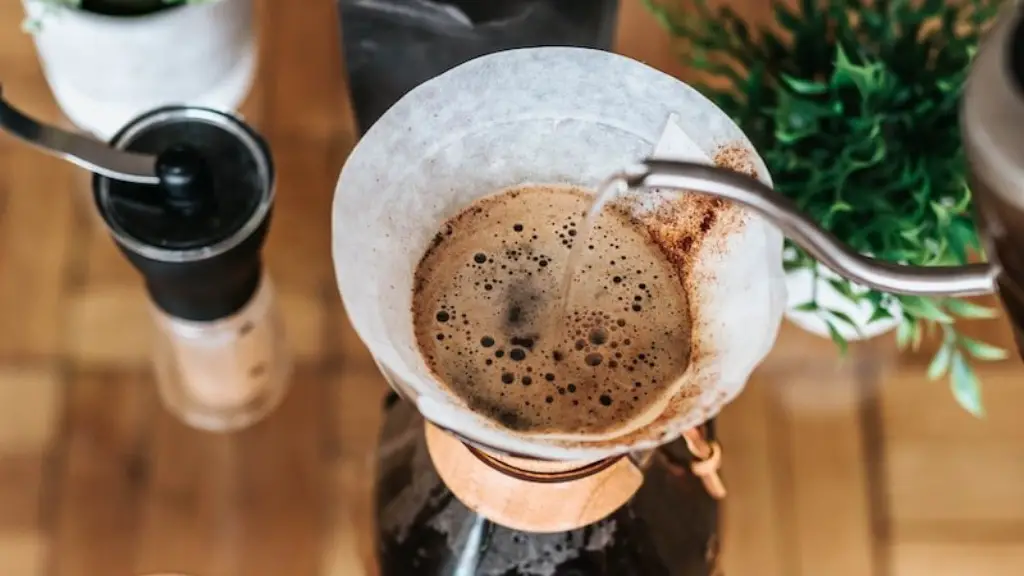
Regularly drinking too much coffee can lead to insomnia, acid reflux, an increase in blood pressure, dehydration, and an increased tolerance to the effects of caffeine. Furthermore, the acidity of coffee can cause digestive problems such as heartburn and irritable bowel syndrome (IBS). People who consume four or more cups of coffee a day are at risk of developing caffeine dependency, and may experience withdrawal symptoms when they stop drinking coffee.
Other Factors to Consider
The effects of coffee may depend on the individual and their tolerance for caffeine. For example, pregnant women should generally avoid consuming large amounts of caffeine as it can easily cross the placenta, leading to a heightened risk of miscarriage or premature delivery. Also, people with certain health conditions, such as high blood pressure, hypertension, and heart conditions, may want to limit their daily caffeine intake as it can interact with certain medications.
Experts’ Perspective
Dietitian Dorothy McFadden says, “It is important to be aware of your personal caffeine tolerance and how much caffeine you’re consuming. Generally, there is no harm in drinking one to two cups of coffee a day, but individuals should be mindful not to exceed this amount.”
Caffeine researcher Dr. Tami Rydinger notes, “Caffeine can be beneficial in moderation, but it can also be dangerous with overuse. People who drink more than four cups of coffee a day are at a greater risk of becoming dependent, and can experience a whole range of adverse effects if they stop drinking it suddenly.”
My Insights and Analysis
It is true that coffee can cause adverse effects for those who consume too much of it, but does this mean you should avoid it altogether? Not necessarily. The key is to find the balance between the benefits and drawbacks of coffee consumption, and to listen to your body. Start with a small cup in the morning and be mindful not to overdo it. If you experience any adverse effects, try reducing your intake and/or decreasing the strength of the coffee.
Environmental Impact

Coffee plays an important role in global economies, providing jobs for both farmers and workers up and down the supply chain. However, the production of coffee often comes with negative environmental impacts, such as deforestation, soil erosion, and water pollution. Therefore, it is important to buy organic and shade-grown coffee whenever possible.
Fair Trade
Organic coffee is not only better for the planet, but it is also better for the farmers who grow it. By choosing to buy Fair Trade certified coffee, you can ensure that the farmers and workers who make it get fair wages and safe working conditions. This is an especially important consideration when it comes to countries that lack strong labor laws and regulations.
Is Coffee Sustainable?
Organic, shade-grown, and Fair Trade certified coffees can help to reduce the environmental and economic impacts of the coffee industry. But is coffee itself sustainble in the long run? The answer to this question is still up for debate. Some argue that there is no such thing as sustainable coffee, while others suggest that with the right practices, it can be done.
Coffee Alternatives
If you find that coffee makes you sick or you are looking to cut down on your caffeine intake, there are plenty of alternatives. These include traditional herbal teas as well as a variety of caffeine-free herbal tisanes. For a more coffee-like experience, you can try decaf coffee, cold brews, and cacao blends.
Health Benefits of Coffee Alternatives

Many of the coffee alternatives listed above have their own health benefits. Herbal teas and tisanes are rich in antioxidants and can help to support the immune system, while decaf coffee and cold brews are lower in caffeine and can help reduce the risk of coffee-related jitters. Cacao blends, meanwhile, are packed with vitamins and minerals and can give you a much-needed boost of energy.
