
Can Drinking Too Much Coffee Hurt You?
Coffee is one of the most common beverages in the world, with millions of people drinking it every day. It has been linked to a number of health benefits, such as improved energy, alertness and concentration. But too much of anything, even something as wonderful as coffee, can be bad for your health. Let’s take a look at how drinking too much coffee can affect your health, and what you can do to limit your intake.
Coffee and Stress
Coffee’s most obvious effect is its stimulant nature. Caffeine is a stimulant that increases alertness, energy and focus, among other effects. But consuming too much of it can lead to stress and anxiety, as it puts a strain on the body’s resources to deal with the influx of energy that it provides. As with any stimulant, it is important to take into account potential interaction with other medications or substances that a person might be taking to avoid any adverse effects.
Caffeine Withdrawal
Caffeine tolerance varies from person to person, but those that regularly consume coffee can find themselves relying on it for energy and mental clarity throughout the day. If a heavily caffeinated individual stops or drastically reduces their intake, they may experience withdrawal symptoms. This includes headaches, shakiness, irritability, mood swings, difficulty concentrating, and exhaustion. The best way to deal with caffeine withdrawal is to slowly reduce intake and replace coffee with other forms of caffeine-free beverages such as herbal tea or decaf coffee.
Sleep Disturbances
Too much caffeine can also interfere with sleep, resulting in poor quality and/or frequency of sleep. This can lead to fatigue, mood swings, and other adverse mental and physical effects. Caffeine should be avoided for at least four to six hours before bed for those who have difficulty sleeping. Additionally, creating an environment conducive to sleep, such as darkening the room or using a white noise machine, can help promote better sleep quality.
Physical Health
Too much coffee can lead to physical symptoms as well. Coffee is known to cause increased heart rate and increased blood pressure, which can lead to headaches and other health issues. Additionally, too much caffeine can cause stomach problems such as indigestion and acid reflux. Finally, it can also have a diuretic effect, leading to dehydration and electrolyte imbalances.
Heart Health
High caffeine intake has been linked to an increased risk of cardiovascular events such as heart attack or stroke. Studies have shown that consuming more than four cups of coffee per day (400 mg of caffeine) can increase the risk for such events, although this varies depending on the individual. It is important to factor in any other factors such as smoking, diet or medications that could also contribute to cardiovascular health.
The Recommended Limit
The FDA recommends limiting consumption to 300-400 mg of caffeine per day, and it is important to take into account individual sensitivity and factors that could influence health. Healthcare providers should be consulted for guidance on how much caffeine is appropriate for a particular individual. Reducing or quitting caffeine consumption altogether has been linked to improved mood, reduced stress, and improved sleep.
Alternative Sources of Energy

There are many healthy alternatives to drinking coffee to increase energy and alertness. Eating healthy, full meals throughout the day can help maintain energy levels, while taking scheduled breaks can also benefit both mental and physical health. Exercise is also known to have a positive effect on mood and attitude, and incorporating adequate sleep can improve overall well-being.
Caffeine Addiction
Caffeine can be highly addictive to some people, as the physical and mental dependency can become quite strong. Those that find that coffee or other forms of caffeine are taking control of their life may need to look into professional help in order to break the habit. This could include therapy or support groups, or working with a healthcare professional to set a feasible and achievable plan for reducing and eventually quitting caffeine altogether.
Effects on Mental Health
Coffee consumption has been linked to an increased risk of depression and anxiety. Studies have shown that those who drink more than four cups of coffee per day (400 mg of caffeine) are more likely to experience symptoms of mental illness. Again, factor in any other medications or substances that may exacerbate the situation. Additionally, it is important to note that drinking too much coffee can trigger or worsen certain mental health conditions, such as bipolar disorder, and should be avoided by those who suffer from such conditions.
Taking Control
It is possible to have too much of something good, and coffee is no exception. It is important to be mindful of potential risks associated with consuming too much of it, and to take the proper precautions. The recommended limit of 400 mg of caffeine per day should be followed until a person knows their own personal tolerance level. Additionally, creating a balanced lifestyle that incorporates healthy meals, proper sleep, and scheduled breaks can help ensure optimal physical and mental health.
Alternative Beverages

Aside from herbal teas, decaffeinated coffee, and other caffeine-free beverages, there are several healthy drinks that provide a natural energy boost. Smoothies are a great way to incorporate plenty of nutrients and benefits from various fruits and vegetables, while still providing a pick-me-up. Additionally, coconut water is known to be a great substitute for coffee, providing electrolytes and other important nutrients.
Coffee Alternatives
Green tea is a great alternative to coffee, and offers many health benefits. It has less caffeine than regular coffee, but still enough to provide a slight energy kick. Additionally, it contains powerful antioxidants that can help protect the body from damage and has been linked to a number of other health benefits. Research is showing that green tea may also help reduce the risk of certain diseases.
The impact of Roasted Coffee
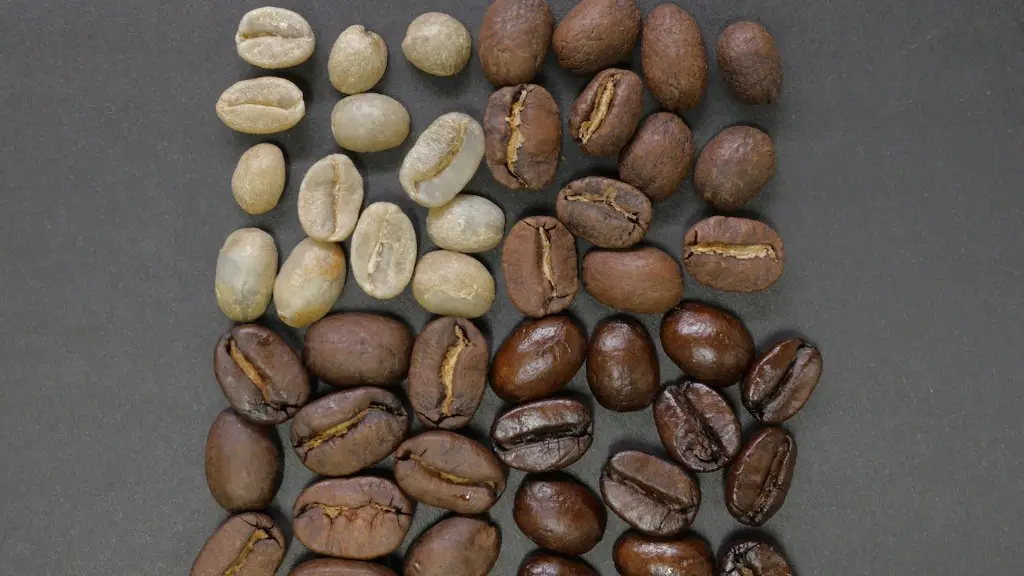
While coffee beans themselves do not contain caffeine, they do contain oils and acids that can break down and form several compounds when roasted, including caffeine. It is important to note that the darker the roast, the more these compounds will break down, leading to a higher caffeine content. This is why a light roast typically has less caffeine than a dark roast.
Convenience and Moderation
Although it may be more convenient, it is important to consider the potential harms associated with consuming too much coffee. Even though many of us rely on it for energy, it’s important to remember that moderation is key with any stimulant. Keeping tabs on the daily intake of caffeine and heeding the recommended limits can ensure that coffee is still a great pick-me-up without compromising health.
