
Can I Drink Coffee After Bariatric Surgery?
Bariatric surgery is a type of weight loss surgery that is used to change the way the stomach and the intestines process food. It has become a very popular option for people who are overweight or obese because it can help them lose a significant amount of weight in a relatively short period of time. Many patients are eager to learn what they can and cannot do after the surgery, including whether they can drink coffee.
Caffeine is a stimulant and has been linked to weight gain, so it would seem like avoiding it altogether would be the best option for someone who has just had bariatric surgery. However, not all experts agree. While some believe that the best thing to do is to avoid caffeine in all forms, others believe that it is not necessary to give up coffee entirely.
One of the main reasons why some experts recommend avoiding caffeine after bariatric surgery is because it can cause dehydration. Dehydration can lead to serious complications after surgery, so it is important to take steps to prevent it. Caffeinated drinks can also cause nausea, which is a common issue for someone who has had surgery. Furthermore, caffeine can act as a diuretic, meaning that it can cause you to urinate more often than normal, which can lead to further dehydration.

On the other hand, there are some experts who believe that moderate amounts of caffeine are okay after bariatric surgery. They believe that it can be beneficial in helping the body process food and providing an energy boost, which may be helpful if you are feeling sluggish after the surgery. Furthermore, some studies have found that caffeine can help to reduce inflammation and improve cognitive function.
Due to the conflicting opinions, it is best to discuss the issue with your doctor before deciding whether to drink coffee after bariatric surgery. Your doctor will be able to explain the risks and benefits of caffeine in relation to your specific situation. In general, it is wise to avoid large amounts of caffeine and make sure that you are staying hydrated.
Can Caffeine Help Me Lose Weight After Bariatric Surgery?
Some studies have suggested that caffeine may help people lose weight after bariatric surgery. Caffeine is believed to boost metabolism, which can help burn fat and calories. It can also boost energy levels, which can help with exercise. Additionally, caffeine can help suppress appetite, which can help with portion control.
However, it is important to keep in mind that these effects are only seen when consumed in moderate amounts. Drinking too much coffee, or consuming other caffeinated beverages, can lead to dehydration and other health issues. Furthermore, research has shown that the effects of caffeine on weight loss are only short-term and that any weight lost is typically regained after stopping the consumption of caffeine.
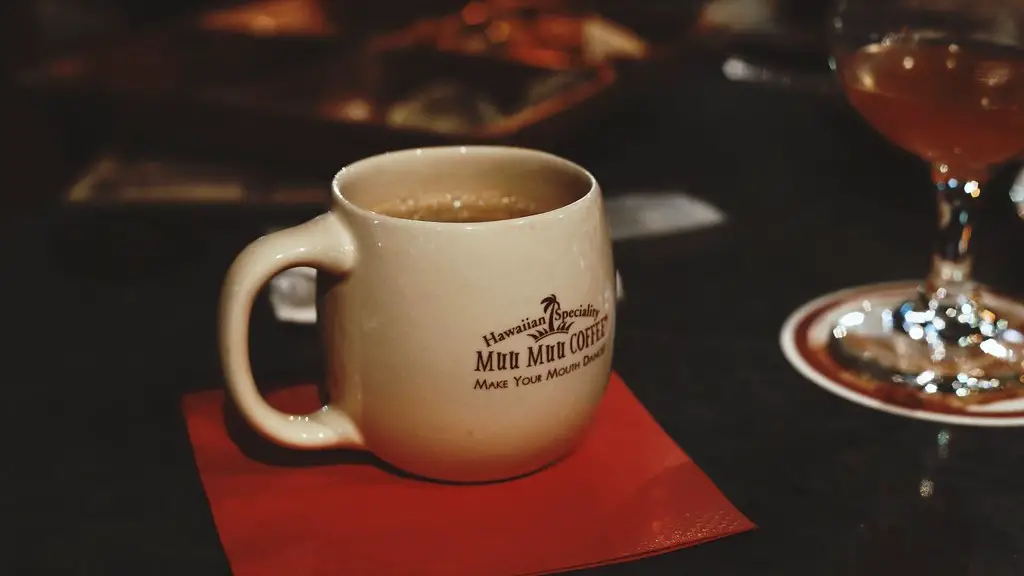
Overall, while caffeine may be beneficial in helping to kickstart weight loss after bariatric surgery, it is not likely to be a long-term solution. It should be used in moderation and it should not replace healthy lifestyle habits such as eating a balanced diet and exercising regularly.
What Are the Benefits of Drinking Coffee After Bariatric Surgery?
Despite the possible risks associated with caffeine consumption, there are some potential benefits to having coffee after bariatric surgery. For example, caffeine can provide you with an energy boost that can help you stay focused and alert during the day. It can also improve cognitive function and mental performance, which is important after any kind of surgery.
Caffeinated drinks can also help to reduce feelings of depression and anxiety, which are common after surgery. Furthermore, some research has suggested that moderate amounts of caffeine can improve gut health, which is important for overall health and wellness.
Overall, it is important to remember that these benefits are only seen when the caffeine is consumed in moderation. Having too much can lead to a variety of unpleasant side effects, such as insomnia, restlessness, and stomach upset.
Do I Have to Quit Coffee After Bariatric Surgery?

Whether or not you should quit coffee after bariatric surgery depends on your personal situation and preferences. While it is not necessary to give up coffee entirely, it is important to be aware of the potential risks associated with it. Consulting with your doctor can help you make the best decision for your health.
Ultimately, making small dietary and lifestyle changes can go a long way in helping to reduce the risks associated with drinking coffee after bariatric surgery, such as avoiding large amounts of caffeine and staying hydrated. It is also wise to incorporate healthy habits such as drinking plenty of water and eating nutrient-dense foods.
Can I Drink Tea Instead of Coffee?
Many people opt to drink tea instead of coffee after bariatric surgery. Tea is a healthier alternative to coffee because it often contains less caffeine and is hydrating. Some types of tea, such as green tea, have health benefits due to their high antioxidant content. Furthermore, unlike coffee, tea does not have any negative effects on the digestive system.
Tea can also provide a boost of energy without some of the downsides of coffee. For example, tea does not contain as much caffeine as coffee, so it does not lead to dehydration or increased urination as much as coffee does. Additionally, many types of tea have calming effects and can help to reduce stress and anxiety.
It is important to note that tea still contains caffeine and is not entirely caffeine-free. Therefore, it is important to be aware of the potential side effects of consuming too much. Additionally, it is best to avoid sugary or artificially sweetened teas, as they can be high in calories and can lead to weight gain if consumed in large amounts.
Are There Alternatives to Coffee and Tea?
If you would prefer to avoid caffeine altogether, there are many other beverage options available. Herbal teas are a great choice, as they are caffeine-free and are often full of antioxidants and other health benefits. Additionally, there are many flavors of decaffeinated coffee, allowing you to still experience the taste of coffee without the effects of caffeine.
Additionally, there are many other flavored drinks available, such as sparkling waters, smoothies, and fruit juices.These can all be hydrating and provide a variety of vitamins, minerals, and other nutrients. Fruit infusions are also an option for a caffeine-free beverage.
Overall, there are many alternatives to coffee and tea after bariatric surgery. It is important to remember that even though these options are caffeine-free, they can still be high in calories and sugar, so it is best to enjoy them in moderation.
