
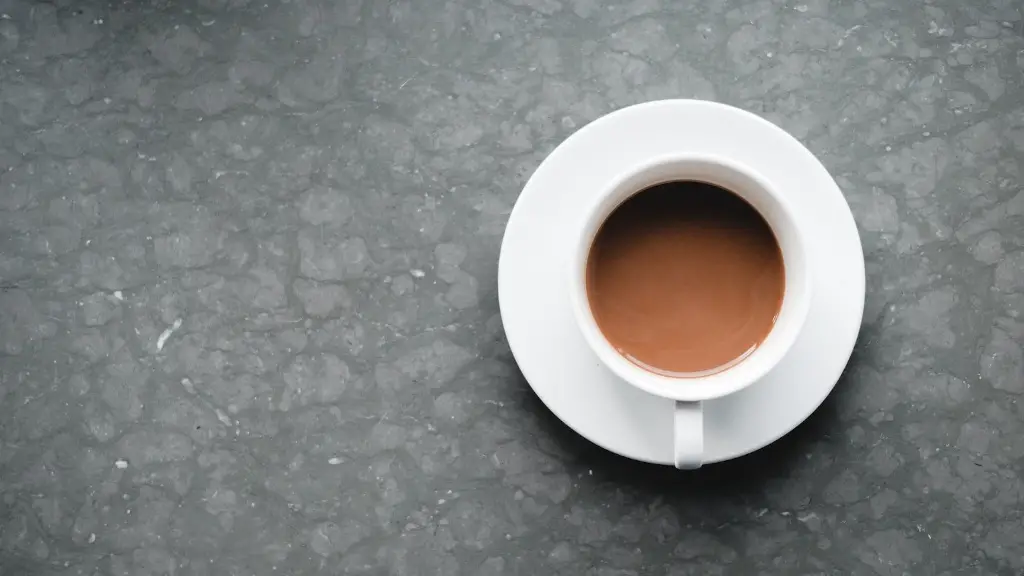
Many of us hope that a cup of coffee can make us feel more alert and energetic. But is it really good for our teeth? The answer is that drinking coffee, which contains tannins and caffeine, can stain our teeth and decrease their resilience to decay. Moreover, there are conflicting opinions about whether or not it is advisable to drink coffee or other hot drinks after brushing our teeth.
The immediate answer to the question of whether or not we should drink coffee after brushing our teeth is a ‘no’. Optimal oral hygiene suggests a wait of at least thirty minutes after brushing in order to prevent any of the ingredients in the coffee from weakening the enamel of our teeth. This will also limit both the amount of staining that the coffee leaves behind and the exposure of our teeth to possible acids that may weaken them.
The evidence strongly suggests that drinking coffee after brushing can lead to more decay and staining on the enamel of our teeth, especially if the coffee is acidic, which is common in espressos and darker roasts. Furthermore, the warmth of the coffee can make the enamel more susceptible to damage and decay. Therefore, dentists recommend waiting at least thirty minutes after brushing before drinking coffee.

However, many people still choose to drink coffee and other hot drinks after brushing their teeth. Some people believe that the warmth of the drink helps to calm the enamel, making it tough and resistant to decay. Others also opt to rinse their mouths with water after drinking coffee so that the staining effects are reduced and the acidity of the coffee is neutralised. This may help to reduce the likelihood of decay and discolouration.
Research on this topic is still inconclusive but it seems sensible to avoid the potential risks that drinking coffee after brushing can cause. At the very least, it is always a good idea to rinse our mouths out with water after drinking coffee to help neutralise any acids that may have been eaten away at the enamel. Moreover, it’s advisable to drink coffee in moderation as drinking large amounts of coffee over an extended period of time may weaken our teeth and even cause pain and sensitivity.
In conclusion, it is usually best to avoid drinking coffee right after brushing your teeth. The potential risks of doing this are considerable, as drinking coffee can weaken our enamel, stain our teeth and increase the chance of decay. Instead, it is advisable to wait at least thirty minutes before drinking coffee in order to ensure the optimum oral hygiene.
How Can I Reduce Coffee Stains on My Teeth?
Coffee stains can be difficult to remove, but there are some things you can do to minimise their effect. Firstly, avoid drinking coffee right after brushing your teeth as this can make your teeth more vulnerable to staining. Additionally, try to reduce your coffee intake, as that can lead to less discolouration over time. You can also drink your coffee through a straw which helps divert it away from the teeth and can minimise staining. Additionally, stay away from acidic coffee as that may cause more staining.
Another way to reduce the staining effect of coffee is to brush your teeth with a special teeth-whitening toothpaste. These toothpastes or whitening strips can help to remove stains from coffee. It’s important to keep in mind that persistent staining from coffee may not completely go away with toothpastes or whitening strips, so consulting a dentist can be beneficial in this case.
Drinking coffee in moderation and brushing your teeth soon after can help to keep coffee stains away. Frequent dental check-ups and professional cleanings are also great ways to remove any stains that have built up on the surface of your teeth. So, if you’re a coffee lover, take the necessary precautions to keep your teeth nice and white!
What Are The Long-Term Effects of Drinking Coffee On My Teeth?
Drinking coffee and other hot beverages can have long-term effects on our teeth. Firstly, the acidity of the coffee can lead to erosion of the enamel which can leave our teeth more vulnerable to cavities and decay. Not only that, but the tannin content of coffee can be particularly damaging as it can easily attach itself to the enamel and can lead to further discolouration, resulting in yellow or stained teeth.
One of the best ways to prevent long-term damage to our teeth from drinking coffee is to practice good oral hygiene. This means brushing and flossing your teeth twice a day, drinking plenty of water and avoiding sugary foods and drinks which can be corrosive to the enamel. Additionally, try to wait at least thirty minutes after brushing your teeth before drinking coffee to prevent the weakening of your enamel. Finally, it’s a good idea to consult a dentist to discuss any concerns and get tailored advice.
Benefits Of Drinking Coffee

It isn’t all bad news when it comes to drinking coffee. In fact, for many people, drinking coffee is a significant source of pleasure and a great pick-me-up during long days. Studies have also suggested that drinking coffee can help to reduce the risk of certain diseases such as diabetes and Alzheimer’s. Furthermore, drinking coffee can aid concentration and alertness, making it a great beverage for those needing a boost. So, while it is important to remember that all substances, including coffee, need to be consumed in moderation, drinking coffee can be beneficial.
What Are The Best Alternatives To Coffee?
If you are looking for an alternative to coffee in order to maintain good oral health, green tea is a great choice as it contains only small amounts of tannin and acidity and is said to promote good dental health. Additionally, herbal teas are great for increasing alertness and energising the body. Other alternatives to coffee include decaffeinated drinks, hot chocolate and energy drinks.
What Can I Do To Strengthen My Teeth?
Strengthening our teeth and making them resistant to staining and decay does not have to be complicated. For starters, make sure you visit your dentist regularly in order to get advice and recommendations from a professional. Additionally, reducing your coffee intake and avoiding acidic drinks can help to keep your pearly whites healthy. Moreover, brushing and flossing twice a day after meals is essential in the prevention of decay and staining.
You can also look into using some probiotic supplements to help improve oral hygiene. The beneficial bacteria present in these supplements can help to reduce the number of harmful bacteria in the mouth. Additionally, avoid sugary snacks, as sugar can eat away at your enamel, leave it more vulnerable to staining and decay.
