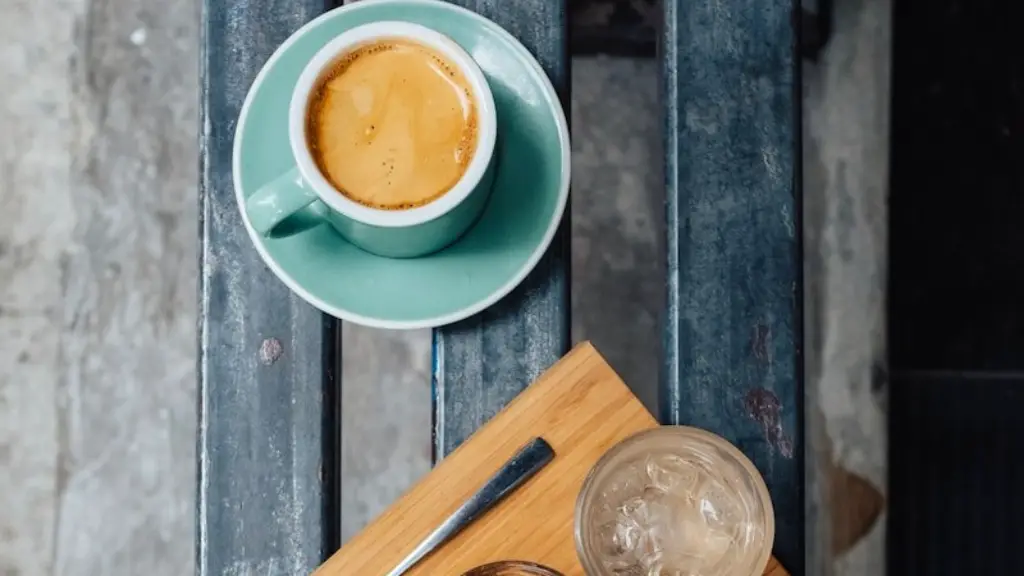
The optimism of having a bright and shiny smile after a home teeth whitening procedure is often overshadowed by the question: “Can I drink coffee after home teeth whitening?”. The answer is both complex and nuanced. It is important to acknowledge two aspects: someone’s individual biological reaction to a home teeth whitening procedure, and the natural stain-causing qualities of the coffee itself.
Central to the discussion is the inescapable fact that coffee contains tannins and chromogens which can stain teeth. As a result, it is almost inevitable that drinking coffee, whether directly after a home teeth whitening procedure or weeks later, will become a factor in the recurrence of discoloration in teeth.
Dentists and oral care professionals typically recommend not drinking coffee directly after at-home whitening procedures, however, it is also common practice to steer clear of coffee anywhere up to 48 hours afterwards.
A review of medical studies covering the short and long-term effects of coffee consumption on teeth whiteness also broadly agrees that waiting at least 24 hours before drinking coffee is recommended. The extent to which coffee will cause discoloration to teeth is dependent on a number of lifestyle factors such as smoking, or even intake of other staining food or drink items.
Experts are also in agreement that coffee-proofing your teeth needs to be a lifelong process, rather than only drinking coffee after a home teeth whitening procedure. Regular brushing and flossing, teeth-cleaning visits, and limiting consumption of dark drinks to minimize discoloration are all important layers of defence that need to be in place for a healthy, bright smile.
In-home teeth whitening can often be an affordable, successful component of an oral care regimen, but it is important to understand the full picture. Coffee will undoubtedly remain part of many people’s lives, and if the decision remains to consume coffee directly after a home teeth whitening procedure or even afterwards, it would be wise to optimize other oral hygiene components to compensate.
Whitening Products
When it comes to counting on at-home whitening products for the ultimate teeth whitening experience, discerning shoppers should understand the various whitening options available to them on the market. Several whitening products are used in at-home whitening immediately after a professional whitening procedure. Whitening toothpaste, whitening strips, and whitening mouth-trays are all valid methods of whitening and maintaining white teeth.
Whitening toothpaste is used as a regular part of brushing. It contains a small abrasive and some bleaching agents that clinically remove surface stains. These products work over time to slightly lighten teeth’s color and may slightly help make teeth appear whiter. Whitening strips are another option shoppers should have. These thin strips are coated with a peroxide-based gel and are used daily to remove surface stains over time.
The last product is a whitening mouth-tray. This is a plastic mouth-guard that fits snugly over the gums and aids in applying the whitening solution. Whitening mouth-trays provide an effective yet safe way of lightening teeth’s color. However, due to the strength of the solution, these trays should only be used as instructed.
Teeth Sensitivity
One of the most common side effects of teeth whitening is tooth sensitivity. During the whitening process, the peroxide-based solution used in dental procedures can strip enamel from teeth. This can lead to tooth sensitivity and in some cases, sharp pain.
It is recommended to wait at least 48 hours before drinking coffee after a home teeth whitening procedure in order to reduce the risk of further enamel erosion and sensitivity. Patients who experience sensitivity should use a sensitive toothpaste or consult their dentist or medical professional.
Education on the effects of acid drinks on teeth is key and consuming food and drink items in moderation can greatly reduce the risk of enamel wear and tooth sensitivity. Most importantly, in order to have a long-lasting smile, one has to commit to an effective oral hygiene regimen including regular brushing and flossing.
Underlying Conditions
Discoloration of teeth can often be a symptom of an underlying condition such as excessive oral bacteria, gingivitis, or enamel erosion. It is important to consult with a dentist or medical professional who, after a clinical examination and review of any existing medical conditions, can decide whether or not an at-home whitening procedure is suitable.
It is also important to understand the effects of at-home whitening, and not rely on the home whitening procedure solely to fix underlying issues that are causing tooth discoloration. While regular awareness of oral hygiene should come first and foremost, adhering to advice on optimal aftercare of home teeth whitening procedures, such as waiting to drink coffee, will maximize the chances of teeth staying white and healthy.
Ingredients
When purchasing an at-home teeth whitening product, or considering any home teeth whitening procedures, it is important to be aware of the ingredients and the effects they can have on a person’s teeth. While hydrogen peroxide, which is a active ingredient used in virtually all home and professional teeth whitening products, can be safe and effective in low concentrations, higher levels can cause tooth sensitivity, gum irritation, and other common side effects.

Additionally, other active ingredients including carbamide peroxide and trays and strips with blue-light technology can increase the risk of tooth and gum sensitivity. Consumers should check the strength of peroxides included in the product, and for the most part, opt for natural teeth whitening products which are not as harsh on the enamel. For the best reliable advice on teeth whitening, consumers should consult with their dentist.
Home Whitening Kits
At home whitening kits are plentiful in stores and online, with a variety of different levels of potency and effectiveness. While some of these kits can deliver results in an expedited time-frame, the most effective whitening treatments are the ones overseen by a professional. In-clinic whitening provides sophisticated whitening results that last longer and are more reliable than at-home kits.
The main difference is that in-clinic whitening uses stronger bleaching agents that are monitored, and customized to a person’s needs. Most professional whitening treatments use hydrogen peroxide, which is much more powerful and effective than over-the-counter whitening products.
It is important for consumers to be aware that many over-the-counter whitening products contain weaker bleaching agents that may have only have little to no effect on teeth. Before purchasing any over-the-counter teeth whitening products, consumers should consult their dentist or medical professional.
Absolute Contraindications
It should be noted that there are certain conditions in which the use of any teeth whitening products should be absolutely contraindicated, meaning it should never be used even under professional supervision. These include pregnant or breastfeeding women and persons with certain medical conditions such as asthma, allergies, and diabetes. Additionally, those persons under 16 years of age should avoid whitening products as their teeth are still in the process of hardening.
In general, it is recommended for every consumer to consult a dentist or healthcare provider before using any teeth whitening products and to discuss any existing medical conditions that could interact with the whitening agent. Additionally, if discoloration is caused due to a medical issue such as an antibiotic or dental-related procedure, the consumer should discuss this with their dentist prior to commencing their teeth whitening treatment plan.
