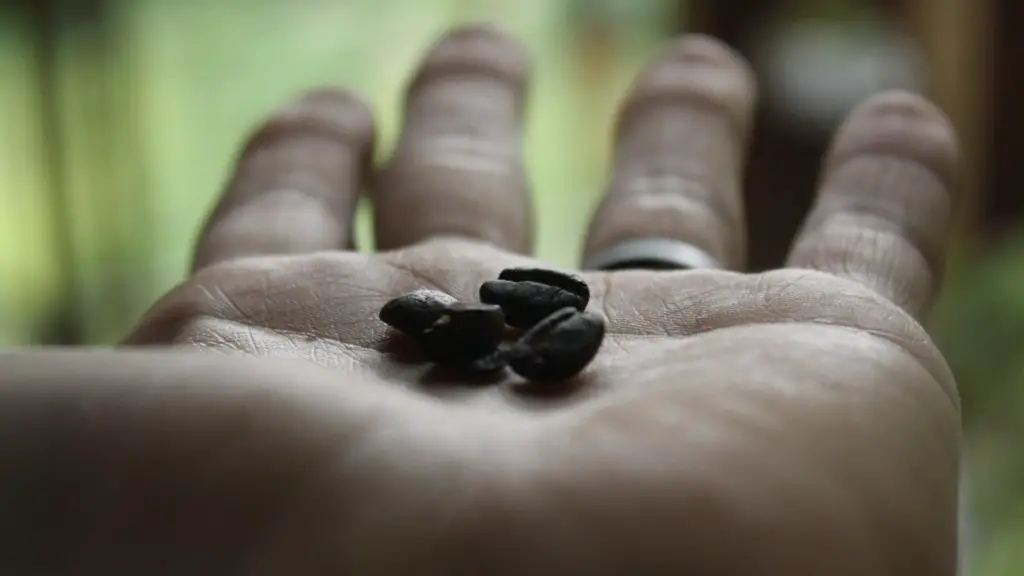
On the one hand, the American College of Obstetricians and Gynecologists recommends that women who are pregnant or trying to become pregnant should avoid caffeine, as caffeine consumption is associated with a number of risks. Caffeine is a stimulant that can increase blood pressure and heart rate, as well as interfere with sleep patterns and cause dehydration. Studies have shown that for women in their first trimester, consumption of caffeine can lead to an increased risk of miscarriage, low birth weight and preterm delivery.
On the other hand, some studies have suggested that in moderation caffeine consumption during pregnancy may not have any adverse effects. These studies have found that low to moderate amounts of caffeine (less than 200mg per day) may not have a significant impact on pregnancy or birth outcomes. The March of Dimes, a non-profit organization dedicated to improving the health of mothers and babies, suggests that pregnant women can have up to 200mg of caffeine per day, or the equivalent of one to two eight ounce servings of coffee.
It is important to note, however, that every woman’s body is different, and that caffeine may affect different women differently. While some women may be able to safely consume some caffeine during their pregnancy, other women may find that even the smallest amount of caffeine causes adverse reactions. It is therefore recommended that women talk to their health care provider about their individual situation and decide whether or not they should consume caffeine while pregnant.
It is also important to note that caffeine is not the only source of potentially harmful compounds that can be present in pregnant women’s diets. Alcohol, certain medications, tobacco and certain foods can all potentially have a detrimental impact on the development of the fetus. Therefore, it is important for pregnant women to be mindful of their diet, and to talk to their health care provider about what is and is not considered safe for consumption during pregnancy.
What Are Other Alternatives to Caffeine During Pregnancy?
Women who decide to quit or reduce their caffeine consumption during their pregnancy may find themselves at a loss for what to consume instead. Fortunately, there are many options available to replace the energy boost and flavor of a cup of coffee. Decaffeinated coffee and tea are an option, as are non-caffeinated beverages such as herbal teas, fruit juices and decaffeinated sodas. Non-caffeinated energy drinks, smoothies and sports drinks can also be enjoyed by pregnant women, as they are not likely to contain any caffeine.
Are There Benefits of Consuming Caffeine During Pregnancy?
Though it is generally not recommended to take caffeine during pregnancy, some studies have found that women who drink moderate amounts of caffeine are less likely to experience prenatal depression, a condition which is common during pregnancy. In addition, caffeine has also been linked to decreased risk of certain pregnancy-related complications such as preeclampsia and gestational diabetes.
It is important to note, however, that these benefits are most often found in moderate amounts of caffeine and not in excess. Therefore if a woman chooses to consume caffeine while pregnant, she should do so in moderation and stick to the 200 milligrams of caffeine mentioned above.
What Foods and Drinks Contain Caffeine?
Caffeine can be found in many different foods and beverages, and it is important for women to be aware of the sources of caffeine in their diet in order to ensure that their caffeine intake during pregnancy is kept at a moderate level. Coffee, tea, chocolate, energy drinks, sodas, chocolate-based desserts and ice creams are all sources of caffeine, as are some over-the-counter medications and some herbal supplements.
What Are The Long-Term Effects of Caffeine Consumption During Pregnancy?

The long-term effects of caffeine consumption during pregnancy are not yet known, but some research suggests that children whose mothers drank more than 200 milligrams of caffeine per day during their pregnancy may be at a higher risk for behavioral problems in early childhood. It is important to note, however, that this is only one study and that more research is needed to determine if this is a real concern or not.
It is also important to keep in mind that caffeine is metabolized differently in pregnant women than it is in non-pregnant women, and it is likely that the effects of caffeine on the fetus depend on many factors, including the amount consumed and the individual mother’s metabolism. Therefore, it is important for pregnant women to be mindful of their caffeine consumption and to talk to their health care provider about any concerns regarding their individual situation.
How Can I Reduce My Caffeine Intake During Pregnancy?
The best way for a woman to reduce her caffeine intake during pregnancy is to start by reducing her daily intake of caffeine. This can be done by avoiding products with caffeine, such as coffee, tea, cola, energy drinks and chocolate, as well as avoiding medications and herbal supplements containing caffeine. Women can also opt for caffeine-free beverages such as herbal teas, fruit juices, decaffeinated sodas and non-caffeinated energy drinks.
It is also important to note that even if a woman opts to reduce her caffeine intake, she should still ensure that she is getting the recommended daily amount of essential vitamins and minerals. A prenatal Vitamin is a great way to ensure that a woman is getting all the necessary nutrients during her pregnancy, and can help to reduce the risk of deficiency-related birth defects and complications.
What Are The Consequences of Not Reducing Caffeine Intake During Pregnancy?
Though the effects of caffeine consumption during pregnancy are still not completely understood, it is generally recommended that pregnant women avoid consuming excessive amounts of caffeine. Caffeine consumption is associated with an increased risk of miscarriage, low birth weight, preterm delivery and certain birth defects.
In addition, the long-term effects of caffeine consumption during pregnancy are still unknown, and some studies have suggested that children whose mothers consumed more than 200 milligrams of caffeine per day during their pregnancy may be at a higher risk for behavioral problems in early childhood. Therefore, it is important for pregnant women to be mindful of their caffeine intake and talk to their health care provider about their individual situation.
What are Some Tips For Reducing Caffeine Intake?
If a woman is looking to reduce her caffeine intake during pregnancy, there are a few tips she can follow to make the process easier.
First, she should start by gradually reducing her intake of caffeine. This will allow her body to become adjusted to the change as she weans herself off of caffeine.
Second, she should replace her caffeinated beverages with caffeine-free alternatives such as herbal teas, non-caffeinated energy drinks, decaffeinated sodas and fruit juices.
Third, she should keep track of the foods and beverages she consumes and the amount of caffeine in them to ensure that she is not inadvertently over-consuming caffeine.
Finally, she should talk to her health care provider about her individual situation in order to make an informed decision about her caffeine consumption during pregnancy.
