It’s no secret that coffee is one of the world’s most beloved beverages, with over 2.25 billion cups consumed every day.
But what of the health benefits of coffee? And can it be used in combination with a juice cleanse? Many people are unaware that drinking coffee while cleansing can be detrimental to health due to the caffeine intake. So, can you drink coffee on a juice cleanse, and what should you keep in mind if you do?
The short answer is yes, you can drink coffee during a juice cleanse. However, it is important to understand how the caffeine can affect the detoxification process and to bear in mind that the recommended daily limit for caffeine intake is 400 milligrams. Exceeding this amount can make it difficult for your body to properly eliminate toxins, as it disrupts the cellular detoxification pathways. In addition to impacting the body’s ability to detox, too much caffeine can cause headaches, fatigue, and other side effects.

But the good news is that coffee can be beneficial during a juice cleanse in certain circumstances. For example, the antioxidant benefits of drinking coffee can help to fight off harmful toxins during the cleansing process. In addition, the natural caffeine can help to increase energy levels, making it easier to stick to the cleanse program. It can also give a mental boost, helping to keep the mood lively and upbeat even when drinking only juice.
That being said, there are several important things to keep in mind if you decide to consume coffee while doing a juice cleanse. First, be aware of how much caffeine you’re ingesting and monitor your daily intake. Caffeine can be found in other sources, including herbal teas and chocolate, so it’s important to factor all sources into your daily limit.
Second, opt for organic coffee whenever possible, as it contains fewer toxins. If you’re unsure about what kind of coffee to buy, talk to your healthcare provider or look for coffee that is labeled “certified organic”. In addition, you might want to consider drinking decaffeinated coffee as well as caffeinated, as decaf coffee still provides some of the antioxidant benefits without the added stimulant.
Finally, be sure to drink plenty of fluids in addition to your coffee. Many people forget to drink enough water while cleansing, so make sure that you’re getting at least eight glasses a day. Coconut water or freshly squeezed juice can also be beneficial as it helps to replenish electrolytes and keep hunger pangs at bay.
What is the proper intake?
The amount of coffee each person should consume during a juice cleanse varies depending on the individual. The key is to choose organic, decaffeinated coffee when possible and listen to your body’s response after consuming coffee to determine if it is having a positive or negative effect on your body. Some people may find that they need as little as one cup of coffee a day while others may need up to four cups. It all depends on individual tolerance.
It is also important to note that decaffeinated coffee usually still contains between 2-12 milligrams of caffeine so those who are particularly sensitive to the stimulant should avoid coffee altogether while cleansing. Consider herbal teas as an alternative source of antioxidants and caffeine, as well as other sources of hydration.
When it comes to drinking coffee on a juice cleanse, the crucial thing is to keep an eye on your caffeine intake and be mindful of how your body is responding. If done correctly, coffee can be beneficial during a juice cleanse. However, if the caffeine intake is too high it can significantly disrupt the detoxification process.
What type of coffee is best?
When it comes to drinking coffee during a juice cleanse, organic is always best. Organic coffee is grown without the use of synthetic fertilizers, herbicides, and pesticides, which reduces the amount of toxins consumed. In addition, organic coffee is usually shade-grown, which encourages biodiversity and helps to prevent soil erosion.
If you’re looking for an even healthier alternative to regular coffee, consider drinking green coffee. Green coffee is unroasted coffee beans that have been decaffeinated without the use of chemicals or other processing methods. Research shows that drinking green coffee can improve mental clarity, reduce fatigue, and boost metabolism.
Finally, consider drinking cold brew coffee. Cold brew coffee is simply coffee that is brewed cold and takes much longer to prepare than other types of coffee. The beverage is known for its smooth, slightly sweet flavor and tends to contain less caffeine than regular coffee. If you are looking for a way to reduce your caffeine intake, cold brew is a great option.
Things to consider
If you plan to drink coffee during a juice cleanse it’s important to be mindful of your caffeine intake. Caffeine can be beneficial if consumed in moderation, but too much can be detrimental to the detoxification process. Therefore, it’s important to be aware of the various sources of caffeine and limit your daily intake to 400 milligrams or less.
In addition, choosing organic, decaffeinated, or cold brew coffee is always best. These types of coffee contain fewer toxins and can provide many of the same benefits of regular coffee without the negative side effects. And, remember to drink plenty of fluids throughout the day in addition to your coffee.
Does your body need coffee?
Whether or not your body needs coffee during your juice cleanse depends on the individual. Some people thrive on coffee, citing the mental clarity, burst of energy, and potential antioxidant benefits, while others may find that the side effects outweigh the benefits. Ultimately, it’s up to each individual to decide what works best for their body.
That being said, it’s important to remember that coffee can interfere with the detoxification process, so it’s important to be aware of your daily caffeine intake and stay within the recommended 400 milligrams per day. In addition, drinking plenty of fluids, such as water or coconut water, can help support the body’s natural detoxification process.
Should you include coffee during cleanse?
If you’re looking to drink coffee while cleansing, it’s important to consider the potential benefits and side effects. Drinking coffee can provide an energy boost, mental clarity, and antioxidant benefits, but it can also disrupt the detoxification process if too much is consumed. Therefore, it’s important to monitor caffeine intake and make sure that you’re drinking plenty of fluids when consuming coffee during a juice cleanse.
In addition, be sure to choose organic and decaffeinated coffee whenever possible and opt for cold brew as an alternative. Ultimately, each individual should decide if coffee is right for them during a juice cleanse, as everyone’s needs and tolerance is different.
How often to drink coffee?
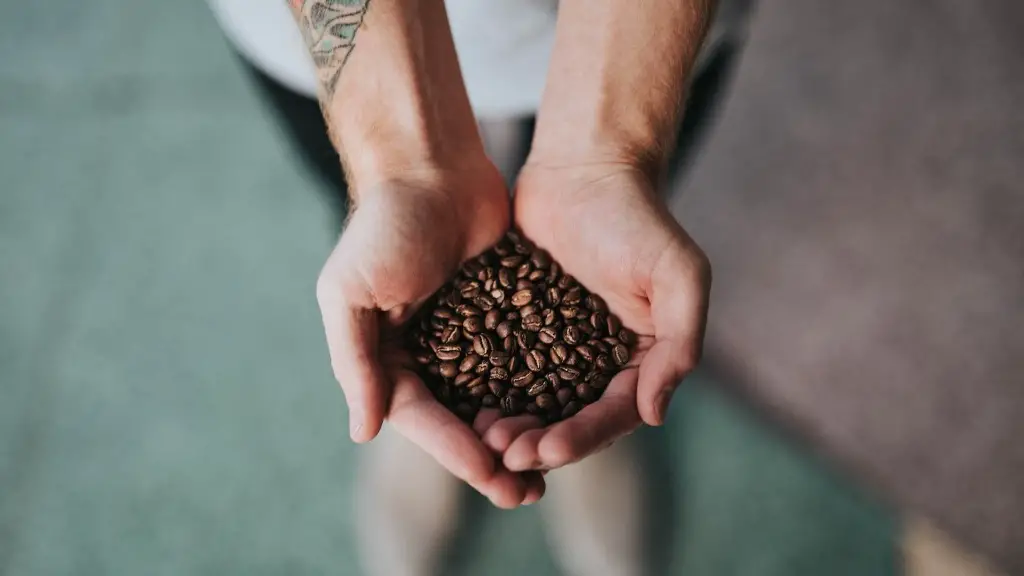
The frequency at which you should drink coffee during a juice cleanse depends on the individual. Some people may find that they need up to four cups of coffee a day while others may find they only need one. The key is to focus on your own body’s response and adjust your intake accordingly. In addition, it’s important to stay within the daily recommended limit of 400 milligrams of caffeine.
It’s also important to remember that caffeine can be found in other sources, such as herbal teas and chocolate, so it’s important to factor in all sources when monitoring your intake. In addition, drinking plenty of fluids throughout the day is essential to staying hydrated and keeping hunger pangs at bay.
Finally, if you’re unsure about your caffeine intake or the benefits of drinking coffee while cleansing, talk to your healthcare provider to get personalized advice.
