
The popularity of intermittent fasting has increased among people across the world. As a method of dieting, intermittent fasting consists of giving up solid foods for a certain number of hours per day. But the question on everyone’s mind seems to be, “Can I drink coffee when I fast?”
The answer is that it depends. Some nutrition experts and dietitians believe that in order to maximize the benefits of fasting, it is best to only drink water and avoid all other liquids. This includes coffee and other beverages. On the other hand, some nutritionists don’t think it matters if you drink coffee while fasting as long as it doesn’t contain any calories.
Experts have different opinions about why coffee can or cannot be consumed when fasting. For example, some say that caffeine from coffee can increase the feeling of hunger and make fasting harder. Others believe that coffee can help provide energy and suppress the feeling of hunger and make fasting easier.
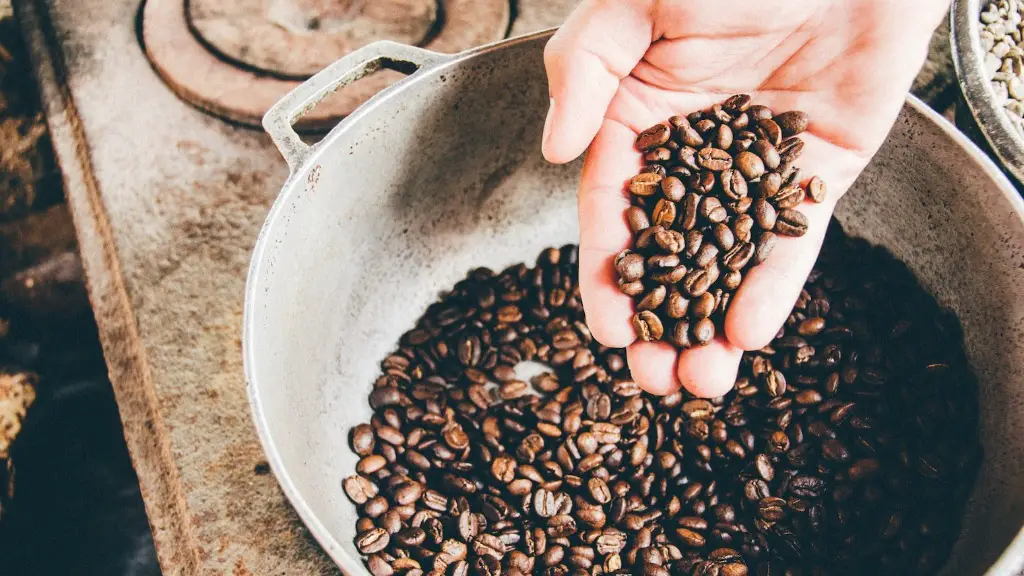
It is important to take into account that the effects of caffeine can vary from person to person. Some people may find it difficult to fast when taking caffeine, while others don’t experience any changes. Everyone should experiment and test the effects of caffeine on the body while fasting.
Caffeine can also have a dehydrating effect, so it is best to drink plenty of water to prevent dehydration when fasting. It is recommended to drink eight 8-oz glasses of water each day when fasting. Drinking too much caffeine can also lead to nausea and fatigue, making it difficult to continue fasting. Again, everyone should experiment to find the balance of coffee and other fluids that works best for their body when fasting.
Ultimately, it is up to each individual to decide if coffee should be consumed while fasting. Every body is different and everyone should listen to what their body tells them when fasting. If coffee helps make fasting easier, then it should be included in the diet. If on the other hand, coffee causes discomfort, then it should be avoided.
Alternative Drinks
If drinking coffee while fasting is not an option, there are other alternatives to get energy. Herbal teas are a great source of hydration and some herbal teas such as chamomile and valerian root can help reduce stress and aid in better sleep. Alternatively, black or green tea can also provide energy without any calories.

If caffeine is a must, then decaffeinated options are available as well. Decaffeinated coffee or tea can provide just enough caffeine to get the energy boost needed without breaking the fast. Additionally, decaffeinated options contain no calories and won’t raise the blood sugar levels, even if consumed in counts such as up to three cups per day.
Smoothies made from a blend of fruits and vegetables can also provide energy. Smoothies provide vitamins and minerals, help curb the feeling of hunger, and can give the body enough energy to last the entire day of fasting. Additionally, adding spices like ginger, cinnamon, and turmeric can help boost the energy levels.
Lastly, electrolyte drinks such as coconut water and water sachets can provide energy as well. They are great sources of minerals such as sodium and magnesium, which can help keep energy levels constant throughout the day.
Health Benefits
Intermittent fasting can have many health benefits. One of the most important is that the practice of fasting has been linked to weight loss. Also, intermittent fasting may have beneficial effects on cholesterol, triglycerides, and heart health. Additionally, fasting can help reduce inflammation and may even improve brain health.

Fasting for long periods of time can help promote a healthier lifestyle as it can help improve digestion and overall health. It can also help increase energy levels and improve concentration. Lastly, when done correctly, intermittent fasting can help increase longevity and allow people to age better.
While the benefits may vary from person to person, it is important to note that it is important to consult a health professional before starting a fasting regimen. Intermittent fasting can be a good way to start a healthier lifestyle, but it is important to make sure to do it in a healthy and safe manner.
Types of Fasting
Intermittent fasting comes in different forms with each plan offering different types of fasts and different length of fasting periods. The two main types of intermittent fasting are time-restricted and periodic fasting.
Time-restricted fasting has a set amount of time for fasting, which can range from 16 to 22 hours every day. It is important to note that this type of fasting needs to be done each day if the person wants to see results. On the other hand, periodic fasting is usually done a few days per week or once a month and the fasting periods can vary from 16 to 36 hours at a time.

The human body is designed to function with intermittent fasting and the benefits that come with it. With a proper diet and lifestyle, intermittent fasting can provide many health benefits and help in the quest for a healthier lifestyle. However, it is important to remember that everyone is different and it is important to find the right fasting plan that works best for each individual.
Weight Loss
One of the most popular benefits of intermittent fasting is weight loss. Studies have shown that fasting can help reduce waist circumference, body weight, and body mass index. Additionally, fasting can help reduce hunger levels, making it easier to adhere to a healthier diet.
In order for fasting to be effective for weight loss, it is important to do it correctly and to make sure to keep exercising and eating healthy. Eating a balanced diet that is low in calories and high in nutrients is essential for the success in any weight loss plan. It is also important to make sure to stay hydrated and to get enough sleep each night.
When it comes to exercising while fasting, it is important to know how the body is responding to fasting and how the energy levels vary throughout the day. It is best to exercise in the morning or later in the day when the energy levels are higher. It is also important to make sure to take breaks throughout the day and to not overexert the body.
Conclusion

Intermittent fasting can provide many health benefits and help people lose weight. However, it is important to make sure to do it correctly and to make sure to consult a health professional before starting a fasting regimen. Also, everyone should listen to what their body is telling them when fasting and only drink coffee if it does not cause any discomfort or discomfort.
Finally, it is important to remember that intermittent fasting is only one part of a healthy lifestyle. Eating a balanced diet and exercising regularly is just as important as fasting. Everyone should experiment and find the balance of diet and exercise that works best for them in order to achieve good health and happiness.
