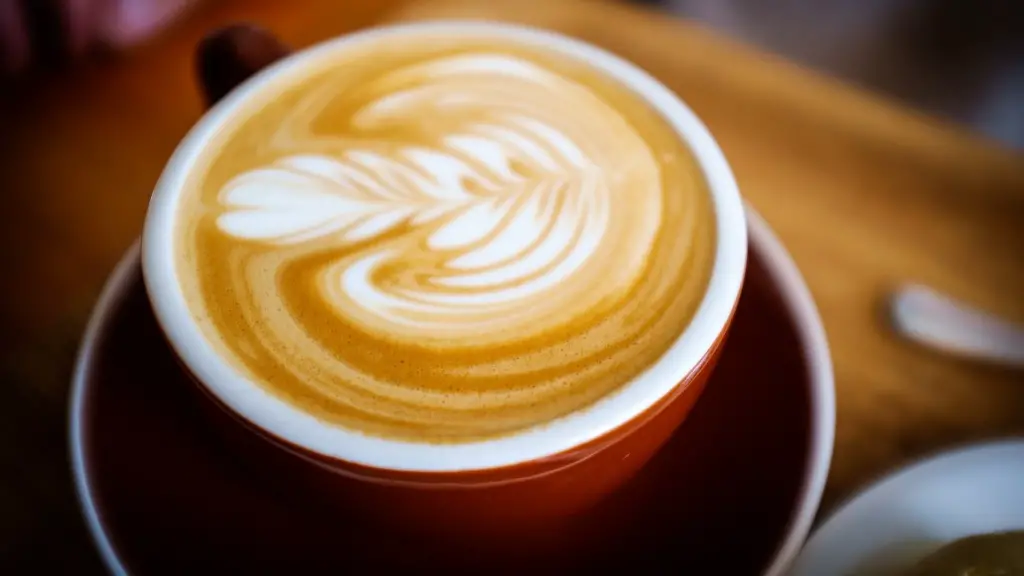
Coffee is one of the most widely consumed beverages worldwide, and is often a part of a healthy lifestyle. But can you have coffee when trying to lose weight? The answer to this question may depend on the type of coffee you choose and the other elements of your diet. Here, we’ll explore what science says about coffee consumption and weight loss, and take a look at the factors you should consider before adding it to your diet.
To begin with, research has suggested that drinking coffee can boost your metabolism, the process through which your body converts calories into energy. A 2016 study found that drinking coffee before a moderate intensity exercise session increases metabolism for two hours after the exercise. This makes sense, as coffee is a naturally stimulant. Additionally, the study found that metabolism was not only higher after the exercise session, but continued to be elevated the following morning.
In addition to its metabolic effects, some experts believe that coffee can help you feel full faster. This could lead to consuming fewer calories overall, which can be beneficial when trying to manage weight. For example, a 2019 study examined the effect of coffee when paired with a high-calorie meal. The participants who drank coffee before the meal felt significantly more full and had fewer cravings for both sweet and savory foods than those who did not drink coffee.

While the evidence suggests that drinking coffee can be beneficial for weight loss, it is important to note that it should not be the only factor that determines your success. What matters most is how much you exercise and the types of foods you eat. Coffee can be part of a healthy diet, but should not be relied upon as the only strategy for weight loss.
What kind of coffee should you drink? Ideally, you should choose an espresso-style coffee or a cold brew. Both of these tend to have fewer calories than regular coffee, as they are often served without any added syrups or creamers. Additionally, these options tend to be lower in caffeine, which can be beneficial if you have trouble sleeping, as high caffeine levels can reduce sleep quality.
When it comes to coffee and weight loss, the evidence is mixed. Drinking coffee can help boost metabolism and regulate hunger, but should not be used as the only weight loss strategy. Instead, focus on creating an overall healthy lifestyle, incorporating a balanced diet, daily exercise, and, if desired, coffee.
Overview
When trying to lose weight, coffee can be a helpful addition to your diet. Research suggests that drinking coffee can boost metabolism, reduce hunger, and help you feel full faster – all positive effects that can contribute to weight loss. To maximize the potential benefits, choose an espresso-style or cold brew coffee, as these tend to have fewer calories than regular coffee. However, remember to focus on an overall healthy lifestyle – incorporating nutritious foods, exercise and, if desired, coffee – for the most successful weight loss journey.
Nutrition

When trying to lose weight, it’s important to focus on nutrition. Eating a balanced diet is key, but with so many unhealthy options available, it can be difficult to determine what foods to include and which to avoid. Additionally, nutrition labels can be misleading and difficult to interpret, making it even harder to make informed decisions. If you’re unsure of where to start, speak with a registered dietitian or nutritionist to help you set up a nutrition plan tailored to your needs and goals.
When it comes to coffee and weight loss, research suggests you should stick to espresso-style or cold brew coffee. Both of these tend to have fewer calories than regular coffee. And for those who worry about caffeine consumption affecting their sleep, these options are often lower in caffeine as well. While you may still enjoy cream or sugar in your coffee, it’s important to be mindful of calorie intake.
Exercise
In addition to eating a balanced diet, incorporating exercise into your lifestyle is another important factor in successful weight loss. Exercise can be a great way to reduce stress, boost energy levels, and improve your mood. And best of all, it can help you reach your weight loss goals. Aim to get at least 30 minutes of exercise at least five days a week, and if you can find a workout partner, even better. This can help keep you accountable and motivated.
The type of exercise you do can vary. Some people prefer cardio, while others may prefer strength training. If you’re unsure of what type of exercise may work best for you, consider speaking with a personal trainer. They can work with you to set up an exercise plan that fits your lifestyle and helps you reach your weight loss goals.
Mindset
Your mindset and attitude can also play an important role when it comes to weight loss. Weight loss is not an easy process, and it can take time to see results. It’s important to be patient and be kind to yourself throughout the journey. Negative thoughts and feelings can be destructive, so it’s important to focus on progress instead of perfection.
If you find that your thoughts are getting the better of you, speaking with a mental health professional may be helpful. They can work with you to develop a plan that can help you manage your thoughts and emotions and reach your weight loss goals.
Conclusion
When trying to lose weight, many people turn to coffee for help. While some evidence suggests that coffee can be beneficial, it should not be the only factor determining your success. Instead, focus on creating an overall healthy lifestyle, incorporating a balanced diet, daily exercise, and, if desired, coffee. Doing so can help give you the best chance of reaching your weight loss goals.
