
Blood Tests and Coffee: Can You Drink Coffee Before a Blood Test?
Having a blood test can be a nerve-wracking experience for some people. From the prick of the needle to the anxiety around the results, a lot can happen when you’re having your blood sample taken. One question that often pops up is whether it’s ok to drink coffee before a blood test.
Caffeine is one of the most widely consumed stimulants in the world. From its ability to improve mood to its alertness benefits, it’s not surprising that people might want to know if they can enjoy a cup of coffee before their appointment.
It’s important to note that fasting before a blood test often makes it more accurate. This is especially true when the test measures glucose, insulin, or triglycerides. When you’re trying to determine if you can have coffee before a blood test, it’s also important to keep in mind that it has calories and mild diuretic effects.

The simple answer is, it depends on the type of test that is being done. Generally speaking, if you’re fasting for a blood test and drinking caffeinated beverages is not recommended. That’s because caffeine can cause a spike in blood sugar levels, which can affect the accuracy of the test results.
With that being said, if the blood test is measuring electrolytes or hormones, such as Testosterone or Cortisol, then you may be able to have a cup of coffee before your appointment. The main thing to keep in mind is that you should always check with your doctor first to make sure that it’s safe for you to have coffee before a blood test.
What Does the Science Say?
The science is inconclusive when it comes to whether drinking coffee before a blood test can affect the results or not. One study suggests that caffeine can cause a slight increase in glucose levels, while another study found that regular coffee consumption had no effect on the results. However, both of these studies had a limited sample size and did not take into account the type of test being done.
It is also important to note that caffeine can have a mild diuretic effect, which means it causes you to urinate more. This means that drinking caffeinated beverages may dehydrate you and lead to an inaccurate measurement of electrolytes and hormones.
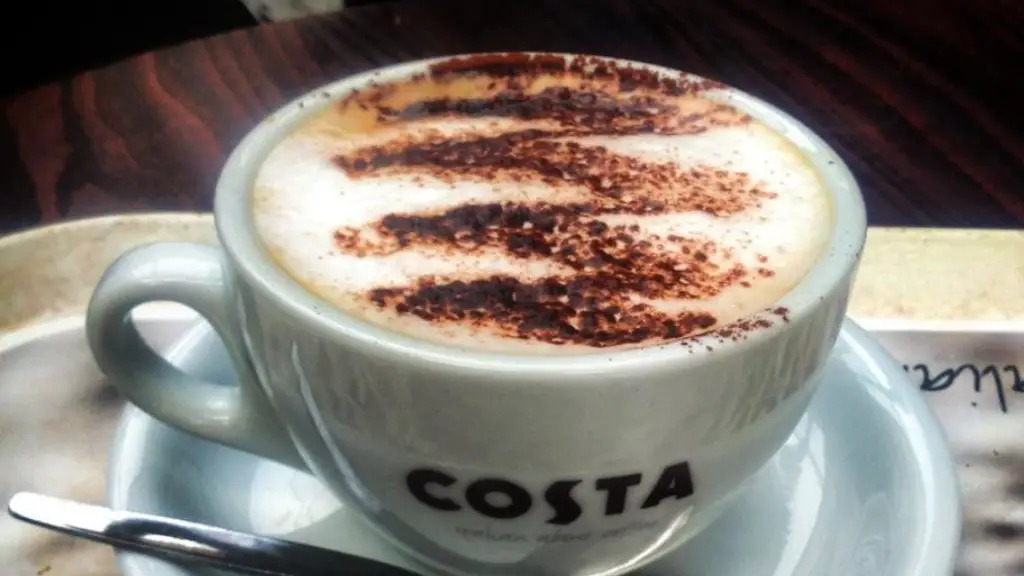
In the end, it is always best to consult with your doctor before having coffee before a blood test. That way, you can know for certain whether it’s ok for you to have coffee or not.
Other Considerations
When trying to determine if you can have coffee before a blood test, there are a few other things to consider. Studies have found that caffeine may increase anxiety levels, which can make the experience of having a blood test more stressful.
It is also important to keep in mind that caffeinated beverages often contain added sugar and artificial sweeteners, which can affect the accuracy of the test results. If you’re planning to have coffee before a blood test, it is best to opt for a black coffee or one made with plant-based milk alternatives.
Finally, it is important to note that drinking coffee before a blood test can make you feel jittery and uneasy. This can be caused by the caffeine, but it can also be the result of anxiety around the test results.
Coffee or No Coffee: The Final Word

In conclusion, whether or not you can have a cup of coffee before a blood test will depend on the type of test being done. Generally speaking, it’s always best to consult with your health care provider before having coffee before a blood test. This way, you can be sure that it won’t affect the accuracy of the results.
If your doctor says it’s ok to have coffee before a blood test, then it’s best to opt for a black coffee or one made with plant-based milk alternatives. It’s also important to keep in mind that caffeinated beverages may increase anxiety levels, so it’s best to be mindful of how you’re feeling before and during the test.
Other Habits to Avoid Before a Blood Test
Drinking coffee before a blood test is not the only habit that might affect the accuracy of the results. It is important to avoid drinking alcohol for at least 24 hours before the appointment and to avoid smoking at least four hours before the test. Taking certain medications and supplements can also affect the results, so it’s important to let your doctor know if you’re taking any medications or supplements.
It is also important to note that exercise can affect the results of some blood tests, so it is best to avoid strenuous exercise for at least 24 hours before the test. Drinking plenty of water is always recommended, as it helps to prevent dehydration and keep your blood pressure stable.
What to Expect During a Blood Test
Having a blood test is a straightforward and relatively painless procedure. Most blood tests require only a few drops of blood, which will be taken from a vein in your arm. Your doctor or technician will use a small needle to draw the blood, which can cause a slight prick or stinging sensation.
The entire process typically only takes a few minutes and many people find that the discomfort only lasts a few seconds. After the test is done, your doctor will analyze the results and be able to tell you what your blood test results mean.
Making the Most of Your Next Blood Test
Having a blood test can be a stressful experience, but it is an important part of maintaining your health. By understanding the risks associated with drinking coffee before a blood test and what to expect during your next appointment, you can make sure that you get the most accurate results possible.
If you’re ever unsure whether it’s ok to drink coffee before a blood test, the most important thing to remember is to always talk to your doctor. They can help you understand the risks associated with drinking coffee and provide tips on how to ensure that you get the most accurate results possible.
