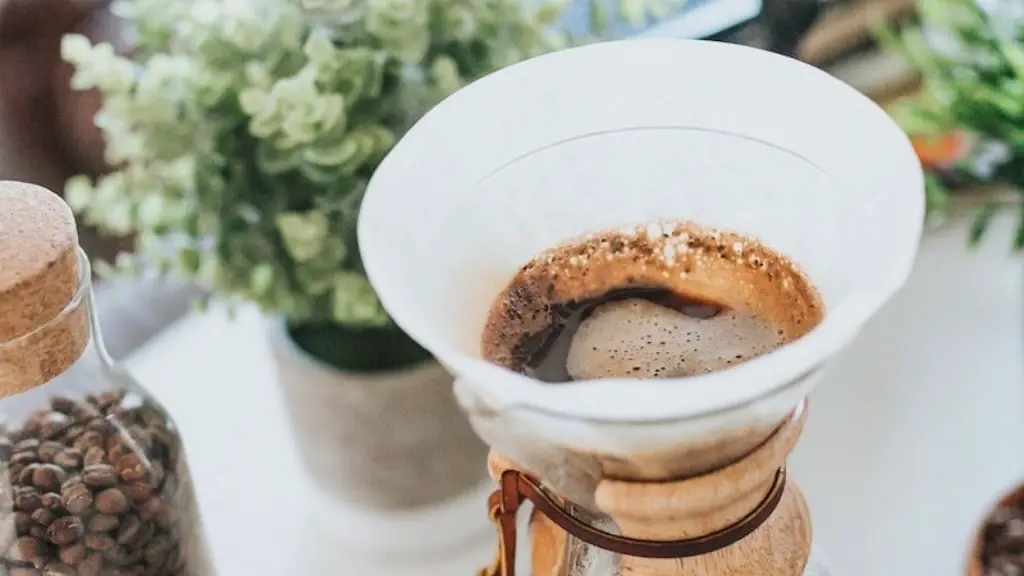
Fasting before taking a blood test is quite common, with many people asking the question- can I drink coffee while fasting before a blood test? While fasting has become significantly important before taking a blood test, many people, who cannot do without their daily morning dose of coffee, are left wondering how to balance the two.
Most doctors recommend to not drink anything other than water, although it is not necessary to abstain from all liquids. A famous clinical nutritionist at the American University of Beirut Medical Center, Anastasios Papazoglou, says that “Generally, it is advised to avoid beverages or highly concentrated beverages that are not water before having a blood test.” He recommends sticking to half a cup of regular coffee or tea, or one cup of decaffeinated coffee or tea.
While the general advice does not completely rule out drinking coffee before the test, it is still not the best option for you. Many experts believe that it is better to lay off the coffee, if you want accurate blood test results. As a result, this leaves people eating and drinking nothing other than water before the test.
Coffee inhibits the body from processing insulin as it is known to interfere with the glycemic index. When people fast for a certain amount of time, the glucose levels in the body are lowered–this means that caffeine in the coffee will stay in the bloodstream for longer, which can cause in accurate readings on the blood test results.
Most doctors recommend fasting anywhere between 8 to 12 hours before undergoing the test. Some diets account for even longer fasting timings. For instance, with a low carb diet, most people usually fast for up to 24 hours before the test. In any case, no matter the fasting period, it is always better to avoid caffeine as far as possible before the test.
Does Drinking Coffee Before Blood Test Affect Test Results?
It is difficult to say for sure whether drinking coffee before a blood test has any effect on the results, as there have not been enough scientific studies conducted on the topic. The main reason for the lack of research is that the effects of caffeine vary from person to person, due to the varying levels of tolerance people have for caffeine and other substances.
It is generally advised to abstain from coffee for at least two hours before the test. For people who don’t consume coffee regularly, it is better to stop coffee intake 24 hours before the test. This is because everybody metabolizes caffeine differently, and therefore, it is difficult to predict the reaction before the test even starts.
Even if you decide to drink coffee before the test, there are some experts that suggest avoiding black coffee. Instead, you can take decaffeinated coffee or coffee with less caffeine content, like tea. In this way, you can potentially reduce any adverse effects on the test results of drinking coffee.
Effects of Not Drinking Coffee Before a Blood Test
Fasting leads to a large number of symptoms which usually indicate that the body is not receiving its regular dose of caffeine. These symptoms can range from dizziness, lightheadedness to fatigue and lack of energy. For some, the symptoms could be even more severe.
An expert of nutrition at Columbia University, Neesha Gopi, explains, “When it comes to obviously following the doctor’s advised diet especially before blood tests, caffeine should be avoided in any form for more accurate results. Not having coffee for a day or two might turn out to be an unpleasant experience, as withdrawal symptoms like headache, irritability, and signs of depression can also occur.”
In any case, experts agree that while coffee can be consumed in moderate amounts before taking a blood test, it is still better to abstain from it. That being said, it is best to talk to a doctor or a nutritionist to figure out the best option for you, before you undertake the test.
Coffee Intake Before or After Blood Test
Most people wonder if they can just have a cup of coffee right after their blood test, instead of not drinking it before the test. It is difficult to say, since drinking coffee after the test does not really affect the test results- what makes a difference is what you drink before the test.
It is believed that even if you drink a cup of coffee shortly after the test, it can still affect the results due to the lack of hydration and the effect of not having caffeine for a prolonged period of time. Therefore, it is better to drink as much water as you can after the blood test and try to consume as little caffeine as possible.
Caffeine Intolerance and Blood Tests
While it is an accepted fact that everyone processes caffeine differently, the effects are more pronounced in those who are caffeine sensitive due to genetic intolerance. For such people, it is better to abstain from even decaffeinated coffee and other caffeinated beverages.
Dr. Raj Pinto, a noted gastroenterologist from Australia, recommends “People who are caffeine intolerant or genuinely trying to reduce their caffeine intake should simply abstain from caffeine before the blood test. Coffee withdrawal can affect the accuracy of the blood test results, too, so take special care of this to get precise results.”
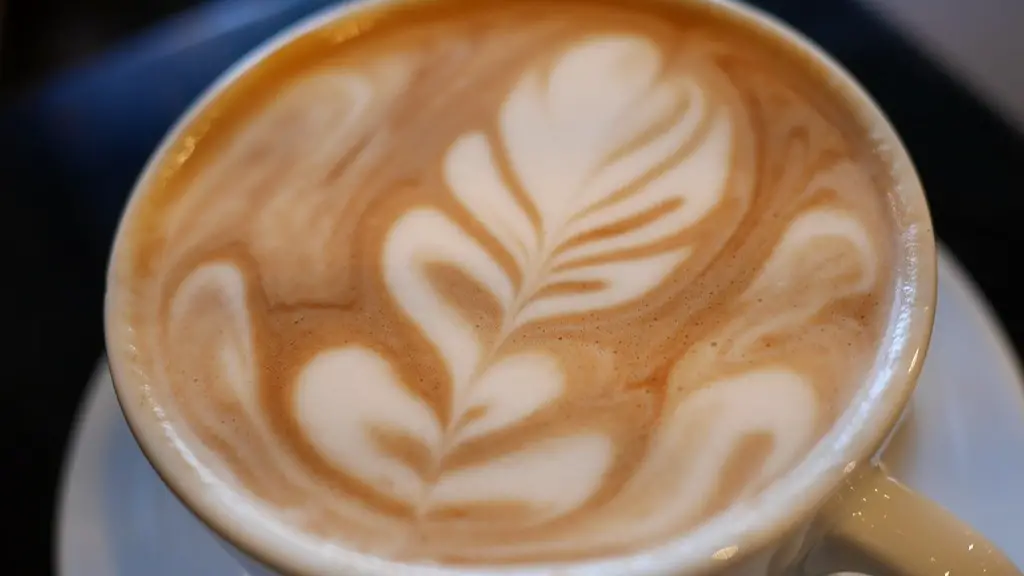
Moreover, people who are on certain medications, like diabetic drugs, and need to check their glucose levels should be extra careful with consuming anything other than water before the test. Since caffeine can affect the metabolism of glucose in the body, it is better to avoid it.
Other Beverages Before Blood Tests
Other popular beverages such as juice, milk, and energy drinks are generally advised to be avoided before a blood test. Even though it is not restricted to consume these drinks after fasting for a long time, it is still important to be aware of how these drinks affect your metabolic levels.
Juice, for instance, is high in sugar content which can lead to variances on the blood test. Milk, on the other hand, can interfere with the cholesterol levels. Similarly, energy drinks are high in caffeinated content and cause similar effects as coffee. On top of that, energy drinks can also interfere with the body’s hydration levels.
It is best to talk to a doctor or a nutritionist to figure out the best option for you, before you undertake the test. It is better to avoid these drinks and stick to water, or at most half a cup of coffee or tea.
Substitutes to Coffee
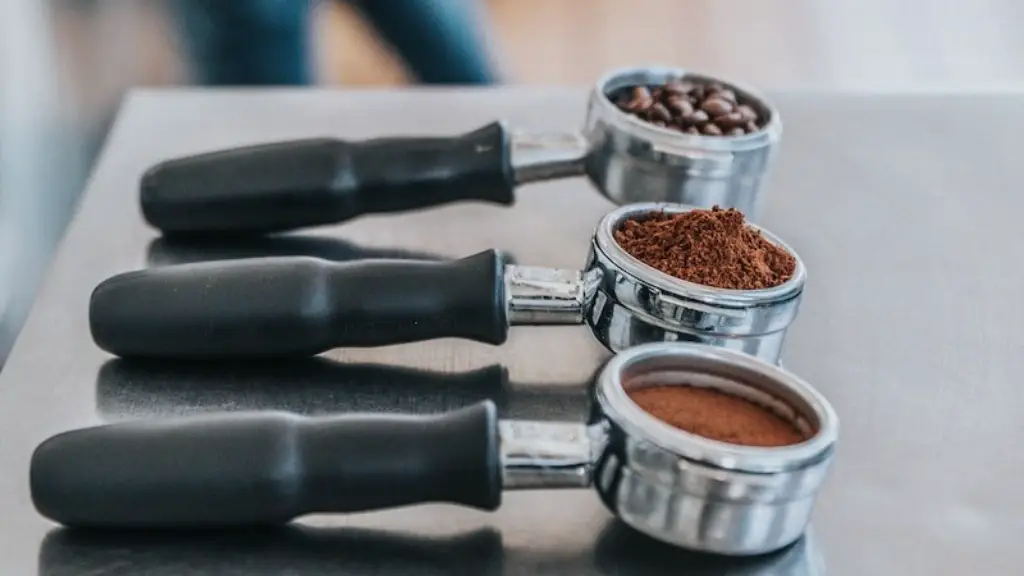
If you are someone who either cannot go without coffee or needs to cut down on caffeine intake, then there are some substitutes available. For instance, green tea is a healthier and non-caffeinated option. The same is true for black tea, which has low caffeine content. On the other hand, herbal teas such as ginger or chamomile tea are usually caffeine-free.
It is best to consume herbal teas as they do not contain any other substances, like green tea which has caffeine, that can interfere with the test results. Additionally, herbal teas also help calm jitters and also provide a host of health benefits. For instance, throat coat tea is great for relieving soreness of hoarse throats. Chamomile tea is known to have calming effects.
Statistically speaking, herbal teas are consumed ten times more than green tea, mainly due to their health benefits. In addition to this, they contain a large number of antioxidants that help in boosting one’s immunity. This makes them the ideal substitute for coffee, if you need to cut down on caffeine intake.
Conclusion
To conclude, it is generally advised that most people completely abstain from coffee before taking a blood test. That being said, it is advisable for people to consult with their doctor about their diet before the test, so that they understand the effects of drinking coffee and other beverages on their test results. In any case, it is better to drink as much water as possible, and if caffeine is an absolute necessity, sticking to a cup of decaffeinated drinks would be advised.
