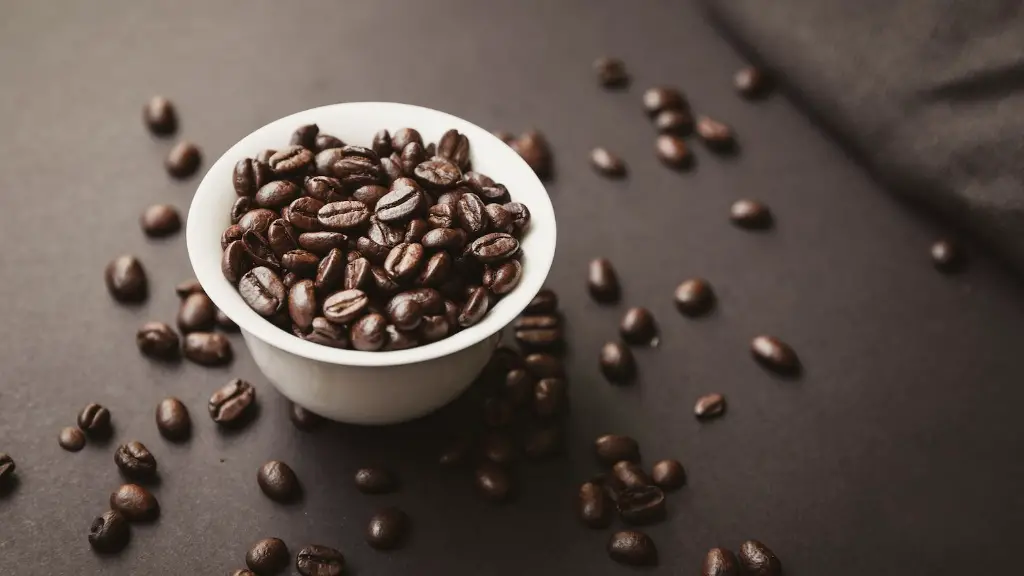
Coffee and Vyvanse are two of the most widely used substances among Americans. Although it’s always important to stay aware of potential risks with any drug, Vyvanse and coffee can actually be safely consumed together. Coffee can even help to enhance the effects of Vyvanse.
Vyvanse is a prescription stimulant that is licensed for the treatment of Attention Deficit Hyperactivity Disorder (ADHD). The drug works by boosting levels of the neurotransmitter dopamine in the brain, leading to increased alertness, focus, and energy levels. Vyvanse is designed to be taken just once a day, typically in the morning.
Coffee, on the other hand, is one of the most widely consumed beverages in the world. It contains caffeine, which is a natural stimulant that is thought to work by blocking the effects of a brain chemical called adenosine. This allows dopamine and other stimulatory neurotransmitters to boost alertness and concentration.

Because caffeine and Vyvanse both work by similar mechanisms, some people may experience an amplified effect when they are combined. This could lead to feeling excessively energized and overactive, which could pose a safety risk. However, most people can safely consume moderate amounts of caffeine (1-2 cups of coffee per day) in combination with Vyvanse.
When combining Vyvanse and coffee, it is important to remember that everyone has a different response to these substances. Some people may find that caffeine amplifies the effects of Vyvanse to the point that it causes jitteriness, racing thoughts, and insomnia. Others may not notice any difference at all.
It is also worth noting that caffeine can take some time to take effect. Therefore, if someone is taking Vyvanse in the morning and then drinks coffee later in the day, they may not experience any caffeine effects until the next day. For this reason, it is best to limit caffeine consumption to the morning or early afternoon.
Although Vyvanse and coffee can usually be safely consumed together, anyone who has any concerns about potential interactions should consult their doctor before making any changes to their routine. People who are being treated with Vyvanse or other stimulants should also avoid mixing them with alcohol, as this may increase the risk of harmful side effects.
How Can Caffeine Interfere With Vyvanse?
For some people, caffeine may interfere with Vyvanse in various ways. First, caffeine can decrease the absorption of Vyvanse, meaning that the drug may not work as well when taken with coffee. Additionally, caffeine may cause a person to become hypersensitive to Vyvanse, leading to an uncomfortable or overstimulating experience. For this reason, it is best to wait at least one hour between taking Vyvanse and drinking coffee.
Caffeine may also alter the balance of the body’s natural chemistry. This could lead to signs of overstimulation such as restlessness, insomnia, and nausea. For people who experience these side effects, it may be best to avoid caffeine or limit their coffee intake.
Finally, Vyvanse is designed to last up to 14 hours. Therefore, when combined with caffeine, it may take significantly longer for the drug to wear off. For this reason, it is best to avoid consuming caffeinated beverages close to bedtime.
What Are Alternatives To Drinking Coffee?
If someone is drinking coffee to enhance the effects of Vyvanse, they may want to consider some alternatives. One option is to opt for decaffeinated coffee, as this will still provide some stimulating effects without the risk of overstimulation. Additionally, some people may find that they are able to get energized without coffee, through diet, exercise, and other lifestyle modifications.
For people who take Vyvanse just once a day, it may also be helpful to split doses of the medication. For instance, if someone takes Vyvanse in the morning, they may find that it is beneficial to split the dosage throughout the day. This can provide a more gradual and sustained effect, which may lead to increased alertness and focus.
Finally, it may be helpful to talk to a doctor about any potential interactions between Vyvanse and caffeine or other substances. This can be especially helpful for people who take any other drugs or have any underlying medical conditions.
Are There Other Potential Concerns About Vyvanse?
Although Vyvanse can be safely consumed with coffee, it is important to remember that it is still a powerful drug. Therefore, there are some potential risks that people should be aware of before starting treatment.
First, Vyvanse can be addictive. Therefore, it is important to only take the medication as directed, and to avoid any illegal use of the drug. Additionally, Vyvanse can lead to side effects such as insomnia, loss of appetite, and nausea. For this reason, it is important to talk to a doctor before taking Vyvanse, as they may be able to recommend an alternative treatment.

Finally, Vyvanse is not approved for use in children under the age of six. Therefore, people should only give this medication to children under the age of six under the direct supervision of a healthcare professional.
Are There Any Long-Term Risks?
Although Vyvanse is usually safe for short-term use, it is important to remember that it has not been studied for long-term safety or effectiveness. Therefore, people should talk to their doctor before taking Vyvanse for more than a few weeks. Additionally, people should stop taking Vyvanse if they experience any troubling side effects.
Long-term use of stimulants like Vyvanse has been linked to a range of potential side effects. These include reduced appetite, weight loss, and irregular heart rate. Therefore, it is important to monitor for any signs of potential problems when taking Vyvanse for an extended period of time.
Finally, it is important to note that Vyvanse is not approved for use in pregnant or breastfeeding women. Women should talk to their doctor before taking this drug if they are pregnant, planning to become pregnant, or breastfeeding.
Can Vyvanse Lead To Addiction?
Although Vyvanse can be used safely and effectively as a treatment for ADHD, it is important to remember that it is still a potentially addictive substance. When taken as prescribed, the drug can be an effective treatment option. However, there is some evidence that taking more than the recommended dose can increase the risk of addiction and other serious side effects.
Additionally, there is some evidence that the abuse of Vyvanse or other prescription stimulants can lead to decreased impulse control and increased risk-taking behaviour. For this reason, it is important to take Vyvanse responsibly. People should not use the drug for recreational purposes, and should only take it as directed by their doctor.
Can Vyvanse Help With Weight Loss?
Some people have speculated that Vyvanse may lead to weight loss due to its appetite-suppressing effects. However, it is important to note that the drug is not approved for this purpose. Additionally, it is not recommended to take Vyvanse as a weight loss aid due to its potential for misuse and abuse.
There is also a growing body of evidence that suggests that Vyvanse may lead to changes in weight and body composition over the long term. Studies have found that some people who take Vyvanse may gain weight, while others may actually lose weight. This suggests that the drug may have different effects on different individuals.
Finally, it is important to remember that using Vyvanse as a weight loss aid is not recommended because of the drug’s potential for misuse and abuse. People should only take Vyvanse as directed by a doctor for the treatment of an approved medical condition.
