
Can I Drink Coffee with Diverticulitis Flare Up?
Coffee is a popular morning ritual, as it provides a boost of energy to perk people up and get their day started. But what if you have diverticulitis, and your symptoms have been aggravated by a flare-up? Many patients wonder if they should include coffee in their diet. This article will explain what diverticulitis is, discuss benefits and risks of drinking coffee while experiencing a flare-up, and explore other beverage options.
What is Diverticulitis?
Diverticulitis is a condition that involves inflammation or infection of the little pouches in the walls of the large intestine, called diverticula. Symptoms of diverticulitis include cramping stomach pain, fever, chills, constipation, and diarrhea. It is typically caused by a change in the diet and from not eating enough fiber. To diagnose it, doctors may order blood tests, stool tests, ultrasounds, and CT scans.
The treatment for diverticulitis is antibiotics and proper nutrition. Eating a high-fiber diet and drinking plenty of fluids is key to managing symptoms, and it may prevent further health complications. It is also important to note that not all foods are suitable for patients with diverticulitis—some drinks, such as caffeine-containing beverages and alcohol, should generally be avoided during a flare-up.
Benefits and Risks of Drinking Coffee During a Flare-Up

Caffeine, a chemical compound found in coffee and other beverages, has been linked to several health benefits. Coffee has been shown to promote mental alertness, reduce the risk of certain diseases, and improve physical performance. Drinking it in moderation may also promote gut health, as it has been found to have a neutral, or even a positive effect on symptoms of gut disorders, such as Crohn’s disease and diverticulitis.
However, drinking coffee while experiencing a flare-up may not be beneficial. When the stomach and intestines are inflamed, caffeine can aggravate the symptoms and cause discomfort. Moreover, coffee may interfere with the absorption of necessary nutrients, which can weaken the immune system and affect recovery. Finally, caffeinated beverages can have a dehydrating effect and increase the risk of constipation, a common symptom of diverticulitis.
Alternatives to Coffee During a Flare-Up
For people with diverticulitis, it is usually best to avoid caffeinated drinks and focus on hydrating with plain water and other beverages. Coconut water, for instance, can provide electrolytes, replenish fluids, and ease stomach pain. Low-sodium vegetable and fruit juices contain antioxidants and vitamins, and can help with gastrointestinal issues.
Herbal teas are also a good option for those suffering from a flare-up. Chamomile tea has anti-inflammatory and antispasmodic properties, while ginger tea helps ease stomach aches. Licorice tea is another beneficial beverage, as it helps stimulate digestion and has been found to reduce symptoms of stomach pain.
Caffeine Intake and Diverticulitis
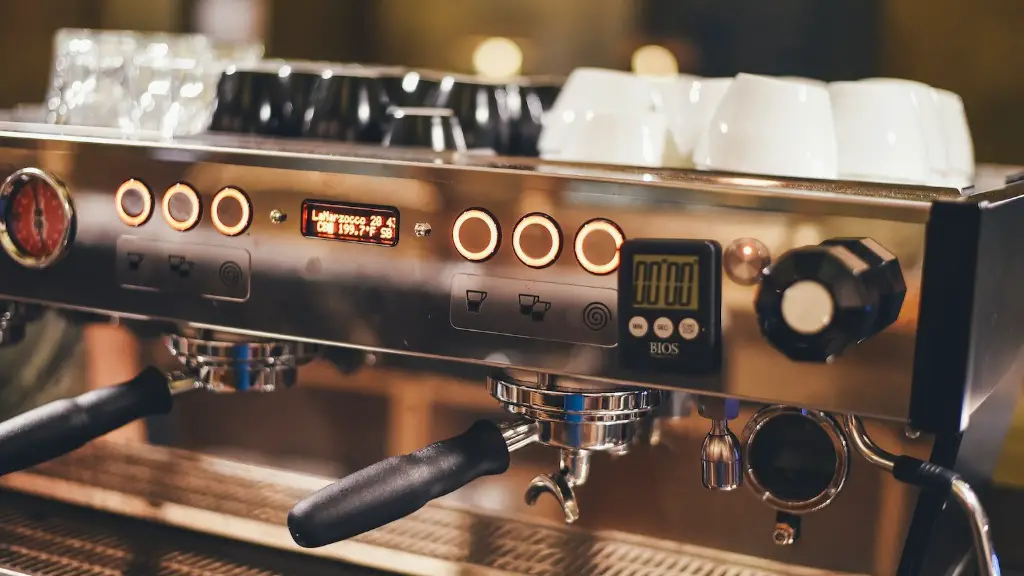
It is important to note that moderate caffeine intake may be beneficial for people with diverticular disease. Caffeine can act as a laxative and decrease the risk of constipation, a key factor in the formation of diverticula. However, excessive amounts may cause an increase in the number of pouches and the risk of inflammation or infection. For this reason, it is advised to limit caffeine intake to two or fewer cups of coffee per day.
Lifestyle Changes for Managing Diverticulitis Symptoms
To reduce symptoms and prevent future flare-ups, those with diverticulitis should focus on making lifestyle changes. Eating a balanced diet rich in whole grains, fruits, and vegetables, and avoiding processed and fried foods is important. Exercise may also help to improve symptoms and keep the digestive system functioning properly.
Certain medicines and nutritional supplements can also be used to help manage symptoms. Probiotics, for instance, can promote healthy bacteria in the gut and help prevent flare-ups. It is advised to consult a doctor before taking any dietary supplements.
Managing Stress and Exhaustion
Having a chronic condition such as diverticulitis may lead to stress and exhaustion, which can affect physical and mental health. Regular exercise, such as yoga and tai chi, can help to keep stress levels in check. Additionally, keeping an active social life, getting a good night’s sleep, and seeking counseling can help to improve well-being.
Using a Holistic Approach

A holistic approach to well-being is often recommended to help manage chronic conditions, including diverticulitis. This approach focuses on nourishing the body and spirit, rather than just treating symptoms. A holistic regimen may include herbal remedies, probiotics, exercise, relaxation techniques and adequate sleep. Eating a balanced diet and eliminating processed, artificial, and unhealthy foods is also important.
Talking to a Health Care Professional
The best way to determine if drinking coffee is safe for someone with diverticulitis is to talk to a health care professional. They can provide advice on what foods and drinks to include in a diet, and how to manage any flare-ups or pain. They can also recommend the best course of treatment for each patient.
