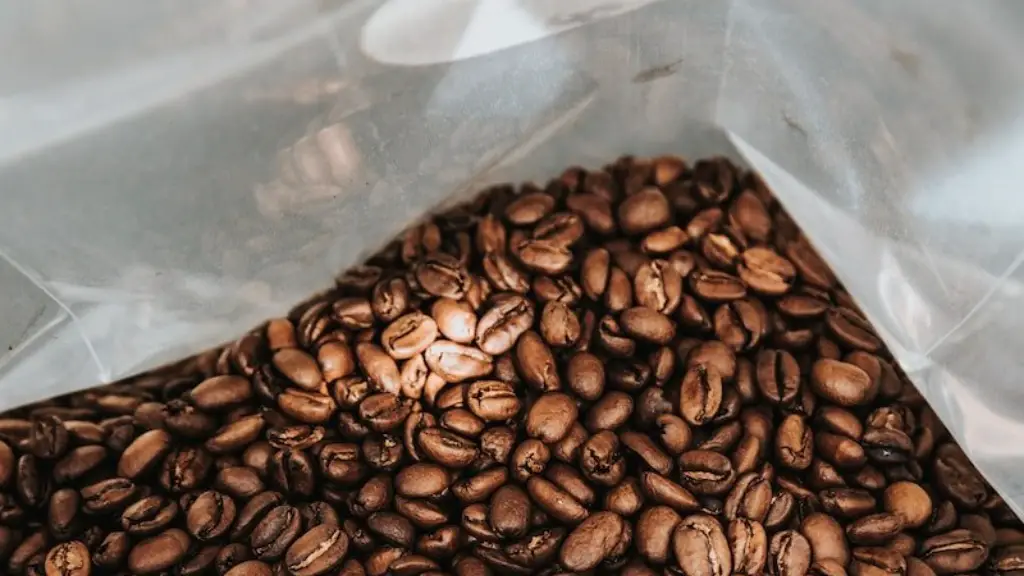
Coffee is one of the most widely consumed beverages around the world. Although many people can tolerate it without experiencing issues, those with underlying issues, such as those with a history of gallbladder problems, often experience discomfort when they drink coffee. This can be particularly troublesome because many people rely on coffee to wake them up in the morning or provide a quick energy boost.
The gallbladder is a small organ located below the liver. It helps to digest fatty foods by storing bile, which is produced by the liver, and releasing it during digestion. If the organ has been removed or there are known problems with it, drinking coffee may make existing symptoms worse.
It is important to know that everyone reacts differently to the effects of coffee. However, studies have suggested that the high levels of caffeine found in the beverage can cause an increase in the production of bile, which can increase the severity of gallbladder symptoms, such as bloating, nauseous feelings, and abdominal pain.
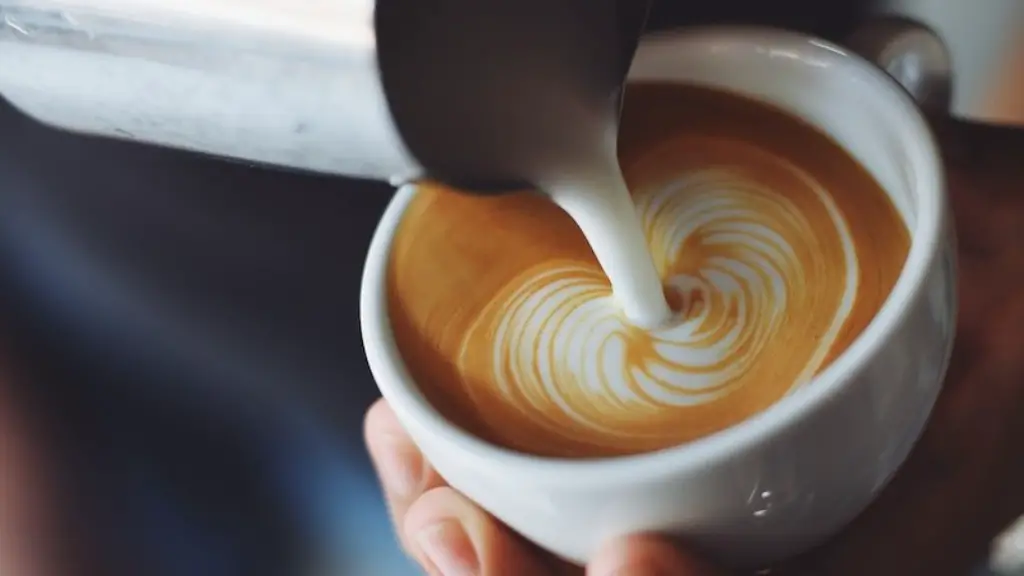
It is also important to note that some of the compounds in coffee can irritate the digestive system. This can be particularly challenging for those with gallbladder issues, as their GI tract may already be compromised. In such cases, it may be best to avoid coffee altogether.
Furthermore, it is recommended that those with gallbladder issues should stay away from processed and sugary foods, as these can cause problems for the digestive system. For this reason, it is advisable for those with gall bladder issues to avoid high sugar and caffeinated drinks, such as cappuccinos and other similar beverages.
If you are suffering from gall bladder-related issues and feel the urge to drink coffee, seeking medical advice is recommended. A doctor can provide personal recommendations based on your specific health concerns. Additionally, seeking out alternative sources of energy, such as walking or yoga, can provide the same energy boost you are seeking without the complications that can come with coffee.
How caffeine affects the body
Caffeine is a natural stimulant that has been used for centuries to increase alertness and energy levels. Caffeine is found in many beverages, such as coffee, tea, and energy drinks, as well as certain foods. It can affect the body in various ways, including raising the heart rate and increasing blood flow.
Caffeine can also affect the digestive system by increasing the production of stomach acid. This can lead to an increase in stomach discomfort, which can be particularly troublesome for those with gall bladder issues.
Additionally, caffeine can increase the speed at which food passes from the stomach to the intestines. This can lead to increased gas and bloating, which can worsen existing gall bladder problems. Furthermore, consuming large amounts of caffeine on a regular basis can lead to issues such as increased anxiety, irritability, and difficulty sleeping.
For those with gall bladder issues, limiting or avoiding consumption of caffeine is the recommended course of action. This is because the compounds in coffee can increase the severity of existing gall bladder issues.
Is decaf coffee better?
Decaffeinated coffee is often thought to be a safer alternative to regular coffee for those with gall bladder issues. However, while drinking decaf coffee may not cause as many issues as regular coffee, it is not completely free of risks.
Caffeine is not the only compound that can affect the body. Decaffeinated coffee still contains compounds called chlorogenic acids, which can increase stomach acid production and speed up digestion. This can lead to the same issues that regular coffee can cause for those with a gall bladder.
In addition, decaf coffee may also contain solvents and other chemicals used in the decaffeination process. These can irritate the GI tract and cause digestive discomfort, which can worsen gallbladder symptoms.
Therefore, when it comes to drinking coffee with gall bladder issues, it is best to avoid both caffeinated and decaf coffee.
When dealing with gall bladder issues, it is important to address any pain, bloating, and discomfort associated with the condition. There are many ways to do this, including exercising, stress-reduction, and proper nutrition, as well as listening to your body and taking it easy when it feels overwhelmed.
Medications may also be used to manage the pain and discomfort associated with gall bladder issues. Many over-the-counter medications are available, such as antacids, proton pump inhibitors, and antispasmodic medications. If pain persists despite taking these medications, a doctor may prescribe stronger medications to help manage the condition.
In some cases, surgery may also be needed to treat gall bladder issues. The type of surgery depends on the individual case and should be discussed with a doctor. Specifying the exact type of procedure is beyond the scope of this article.
Diet and gall bladder issues
The most important aspect of managing gall bladder issues is to make sure that you are following a healthy diet. This means eating plenty of fresh fruits and vegetables and avoiding processed and sugary foods.
It is also important to ensure you are getting enough fiber, as this can help decrease constipation, bloating, and gas. Additionally, drinking plenty of water can help prevent dehydration, which can worsen gallbladder symptoms.
Finally, it is important to remember that everyone has different nutritional requirements. To make sure you are getting the nutrients you need for your gallbladder issues, speak to a doctor or nutritionist.
How to avoid gall bladder issues
There are many ways to help prevent gall bladder issues from developing. These include maintaining a healthy weight, avoiding processed foods and sugary drinks, eating a balanced diet, and exercising regularly.
Additionally, limiting alcohol consumption can be beneficial. Alcohol can increase the risk of gallbladder disease and can worsen existing symptoms. If alcohol is consumed, it should be in moderation.
Finally, it is important to listen to your body. If you experience any unusual abdominal pain or other symptoms, it is best to contact your doctor right away. Early diagnosis and treatment can help minimize the severity of the condition.
What an expert has to say
Dr. Julia Gillard, a specialist in the field of gall bladder disease, has suggested that those with the condition should reduce their intake of caffeine and other stimulants. She also recommends talking to a nutritionist about a diet plan that is tailored to the individual’s specific gall bladder needs.
“It’s important to note that caffeine is not the only stimulant that can be problematic for those with gall bladder issues,” Dr. Gillard said. “It is also important to be aware of other potential risk factors, such as sugar, alcohol, and nicotine, as these can worsen gall bladder symptoms.”
Furthermore, Dr. Gillard suggests seeking out alternative sources of energy, such as light exercise, yoga, or meditation. She believes that focusing on healthy lifestyle habits can help reduce the severity of gall bladder issues in the long term.
