
Drinking hot coffee after a tooth extraction
Having a tooth removed is never an easy experience. After the extraction, it is important to pay particular attention to the wounds in order to prevent the risk of infection and a range of other potential complications. In particular, there are some questions about whether it is safe to drink hot coffee after a tooth extraction. In this article, we will explore these issues to make sure that anyone who has recently had a tooth extracted understands the precautions they should take.
At the time of the extraction, your dentist will advise you on the steps you should take to ensure you recover quickly and comfortably. This will include avoiding certain substances, such as smoking or sucking on hard candy, and not drinking hot coffee. It is recommended to avoid hot or cold beverages, including hot coffee, for at least one day after the extraction. This is to reduce the risk of having a dry socket, a complication which can occur if the wound is exposed to too much heat or cold.
That said, it is not recommended to completely avoid coffee after an extraction. Coffee, in moderation, has some potential benefits for your dental health. It is rich in antioxidants, which may help protect your teeth from cavities. Furthermore, coffee contains no sugar and thus can hydrate your mouth and ease your discomfort after the extraction.

It is important to note that coffee should be consumed at a moderate temperature. Drinking your coffee chilled or at room temperature can help to reduce the risk of dry socket and other potentially unpleasant side effects. If you are particularly sensitive to heat and do not want to risk any discomfort, you should avoid hot coffee completely.
Recovery period
A key factor in reducing the risk of complications depends on how well you care for your mouth in the days following the extraction. Managing your swelling, pain, and avoiding hot drinks or food, can help ensure that you heal properly and quickly. This involves taking care of the wound and avoiding any activities or substances which could irritate it.
It is important to avoid smoking, sucking on hard candy, eating crunchy food, and drinking hot coffee. All of these activities can cause the wound to become more irritated and can increase the risk of infection or discomfort. So, it is best to avoid such activities for at least 24 hours after the extraction.
Even after this point, it’s important to take extra care. It is still recommended to avoid hot beverages for at least a few days and to stick with cooler beverages instead. If you start to experience any discomfort in your extraction site after drinking coffee, you should stop altogether until the wound has fully healed.
Seeing your dentist

It is important to speak with your dentist in order to determine the best course of action in terms of managing your recovery after an extraction. Your dentist will be able to provide personalized advice on what you should and should not do, taking into account factors such as your dental health history, any medications which you are currently taking and the location of the extraction.
The goal is to ensure that your recovery process goes as smoothly as possible. Drinking hot coffee should be avoided as much as possible, but if you really must, then try to keep your consumption to a minimum and ensure that the beverage is not too hot.
Conclusion
In conclusion, it is recommended to avoid drinking hot coffee after a tooth extraction. Although coffee itself can provide some potential benefits for your dental health, drinking it too hot can be detrimental to the recovery process. In order to reduce the risk of potential complications and ensure a comfortable and speedy recovery, it is important to take care of your mouth after the extraction and to follow your dentist’s advice.
Alternative beverages
Coffee is not the only beverage which can help you recover comfortably. There are many other beverages which can provide similar benefits and can help to hydrate your mouth. In particular, cold water is an excellent option, as it is hydrating without the risk of irritation. Fruit juices and herbal teas are also good alternatives, as they are made from natural ingredients which can help soothe the area.

Milk is also a good option, as it is high in calcium, which can help to strengthen your teeth. However, it should still be consumed at a moderate temperature to avoid the risk of discomfort.
Ultimately, it is important to be aware of the kinds of beverages that can cause irritation at the site of the extraction, such as hot beverages. Drinking hot coffee should be avoided completely, while some alternatives can provide similar benefits without the same risks.
Nutritional benefits of beverages
In addition to hydration, there are some beverages that can provide additional nutritional benefits. Fruit juices are rich in vitamins and minerals that can help with the healing process, while herbal teas contain anti-inflammatory properties that can help soothe the wound. Moreover, many herbal teas also contain antioxidants which can help reduce the risk of infection.
Milk is a particularly good option for anyone who has had a tooth extracted. It is a great source of calcium, which is essential for maintaining healthy teeth. Drinking milk can help to strengthen your teeth and gums, which can reduce the risk of decay in your teeth and potential complications associated with a tooth extraction.

It is important to note, however, that you should still be wary of the temperature of the beverage. Cold or lukewarm beverages are recommended to avoid irritating and potentially injuring the wound.
Maintaining oral health
Having a tooth extracted can have a significant impact on your oral health. It is important to take the necessary steps to ensure that you maintain a healthy mouth and prevent any complications.
Keeping your mouth hydrated can help to rinse away bacteria, which can help to reduce the risk of infection. Additionally, reducing your consumption of sugary beverages and food, as well as avoiding smoking, can help reduce the risk of cavities and promote healthy teeth and gums.
It is also important to monitor the wound for any signs of infection. If you experience any pain, swelling, or other symptoms, it is best to speak with your dentist as soon as possible. They will be able to provide personal advice on how to manage the wound and what steps to take in order to reduce the risk of any potential complications.
Risks and precautions
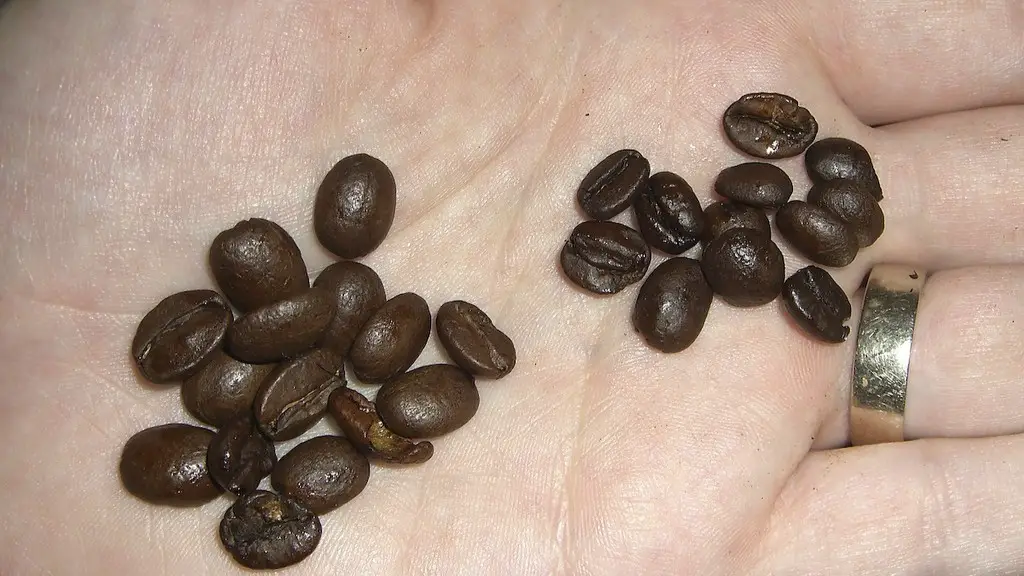
Although drinking coffee after a tooth extraction is not ideal, it is possible to do so safely if certain precautions are taken. As with any kind of food or beverage, moderation is key. Try to minimize your consumption of hot coffee, and opt for cooler temperatures if you can.
It is also important to monitor the symptoms of your wound closely. If you experience any pain or swelling, it is best to see your dentist right away. This can help to reduce the risk of infection and other potentially unpleasant side effects.
At the same time, it is important to take care of your oral health in general. Brush and floss regularly, avoid smoking, and consume healthy foods and beverages in moderation. This can help to reduce the risk of further complications.
Timing
Staying aware of the timing of your recovery process is another important factor to consider. Your dentist will advise you on the timeline for your particular situation. Generally speaking, it is advised to wait at least 24 hours after the extraction before drinking hot coffee, and to keep your consumption minimal until the wound has healed completely.
If you experience any symptoms of infection, it is important to speak to your dentist right away. They will be able to provide you with the necessary advice and ensure that the healing process goes smoothly.
It is also important to be aware of the timescale of recovery. The healing process can take up to several weeks, although the exact timeline can vary greatly depending on the individual. Following your dentist’s advice and taking the necessary precautions can help to reduce the risk of complications.
