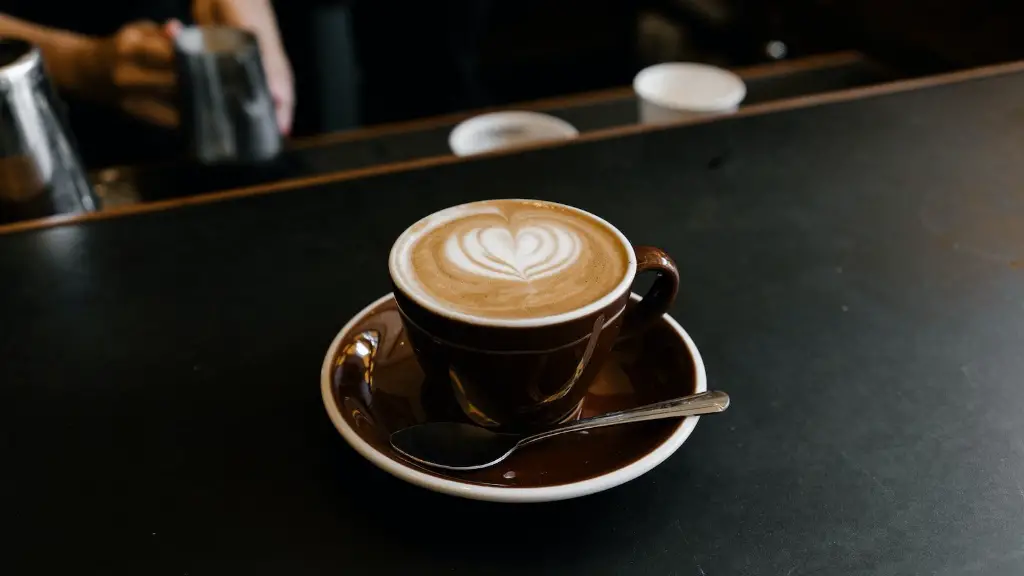
Can I drink iced coffee while on my period? It’s a question lots of women have – especially in summer when the temperatures are rising. Research suggests that moderate consumption of iced coffee may be beneficial for women’s health, especially during their menstrual cycles. This article will outline the benefits of drinking iced coffee while on your period and offer expert advice on making the most of this treat.
It is widely believed that coffee can affect the amount of bleeding during a period, but this is a misconception. According to Dr. Bailey, an OB-GYN at Cincinnati Children’s, there is no proof that coffee consumption increases or decreases menstrual flow. Caffeine has also been researched for its potential to ease menstrual cramps; however, according to the National Library of Medicine, there is not enough evidence to support any such claim.
Rather than worsen your menstrual cramps, cold drinks – including iced coffee – can actually temporarily provide relief from menstrual pain. Hot coffee can also be helpful, but it’s important to be careful not to burn your tongue or the inside of your mouth. In either case, the warmth of the liquid can provide temporary comfort.
More research is required to confirm if coffee can really improve health. Some studies show that coffee can be good for women’s health, as it reduces the risk of certain illnesses. For example, consuming coffee is associated with a decreased incidence of heart disease, liver disease, and type 2 diabetes. Additionally, the antioxidant properties of coffee may protect against cell damage, which can help your body fight off viruses and bacteria.
Although there is no scientific proof that coffee can improve a woman’s period, many women feel that they benefit from drinking iced coffee while they are on their period. Some believe that the cold beverage can help ease menstrual cramps, while others feel more energized after having a cup. Ultimately, the decision whether to consume iced coffee or not should be based on your own preferences and comfort level.
It’s important to remember that iced coffee should be enjoyed in moderation during your menstrual cycle. Too much caffeine can lead to dehydration and headaches. Try to limit your intake of caffeinated beverages to no more than 1-2 cups per day for optimal health and comfort.
Managing Stress
When on your period, managing stress levels is key. Hormones produced during menstruation can cause women to feel increased levels of anxiety and fatigue, while caffeine may temporarily alleviate these symptoms. However, it’s important to understand the difference between short-term relief and long-term stress management.
When it comes to stress, mindfulness practices are particularly important. Taking time to practice yoga, meditation, or any other calming activity can help reduce stress levels and promote overall wellness. Additionally, engaging in activities such as journaling, reading, or listening to soothing music can help center your mind.
Healthy nutrition also plays a key role in stress management. Eating a nutrient-rich diet with plenty of fresh fruits and vegetables can help improve your energy levels during your period. In addition, drinking plenty of water throughout the day is essential for replenishing the body.
Caffeine Alternatives
If you’d rather avoid coffee when on your period, there are plenty of alternatives available. Green tea is a great option, as it is rich in antioxidants and has been shown to improve overall wellbeing. Herbal teas are also a popular choice, and many companies now offer bottled variants that provide similar benefits to coffee but without the caffeine.
Nut milks such as almond and oat milk are also widely available and can be enjoyed hot or cold. Many of these provide more protein and fewer calories than dairy milk, while still providing that creamy texture you love. In addition, nut milks are often enriched with vitamins, minerals, and antioxidants to support and maintain good health.
Supplements

You may also want to consider taking natural supplements to ease your period symptoms. Magnesium and vitamin B6 are two nutrients that are considered essential for the health of the female reproductive organs. There are also several supplements on the market that contain herbs and spices such as black cohosh and ginger, which have long been used to help relieve menstrual cramping.
Magnesium supplements are thought to reduce inflammation and muscle cramping, a common issue for many women during their period. Similarly, vitamin B6 helps to regulate hormones and has been linked to an increase in serotonin levels associated with a decrease in psychological distress.
Additional Care
Finally, it is important to remember that there are plenty of other lifestyle habits that can help ease symptoms associated with menstruation. Regular exercise, ample sleep, and a healthy diet are key pillars of good health, and are particularly important during this time of the month. Additionally, hot compresses and heating pads can be beneficial for reducing menstrual cramping.
Overall, it is important to be mindful of your body and your needs when it comes to your period. Do not feel the need to push yourself further than you need to, and always listen to what your body is telling you. Taking time for yourself to rest and reset is essential, no matter the circumstances.
Vitamins and Minerals
Women also need to be aware of their nutritional needs when on their period. Vitamins and minerals play an important role in our health and wellbeing, including menstruation. Vitamins A, B6, C, D, E, and K all contribute to the body’s proper functioning. Vitamin A, for example, helps to regulate hormones, while B vitamins help to stabilise anxiety and fatigue. Additionally, zinc, iron, and magnesium are all essential minerals that help to reduce menstrual cramps.
It is best to consume vitamins and minerals through foods rather than supplements. Foods such as dark chocolate, leafy greens, nuts, and avocados all provide healthy sources of vitamins and minerals. Additionally, fish, eggs, and legumes are valuable sources of protein that can help to reduce cramping and bloating.
Lifestyle Habits
Establishing healthy lifestyle habits is paramount for a healthy period. It is important to get plenty of rest and moderate exercise. Regular exercise can help to improve the mood and reduce cramping. Similarly, adequate sleep helps to regenerate the body and mind and boosts the immune system. This can help to protect against illnesses and viruses, which is particularly important during this time of the month.
It is also important to maintain a nutritious diet while on your period. Eating a balanced diet high in fruits and vegetables can provide the body with essential nutrients and antioxidants. Likewise, reducing consumption of processed foods while on your period can help reduce bloating and improve overall wellbeing.
Coping Strategies
Finally, it is important to recognize and develop coping strategies for the inevitable mood swings that come with menstruation. Taking time to ground oneself can be a great way to regain control during moments of distress. Engaging in slow, calming activities such as yoga, meditation, or simply listening to music can do wonders to soothe one’s mind and spirit.
Journaling can also be a valuable tool for reflecting on feelings and emotions. Women can use it to vent and voice their thoughts without fear of judgement or criticism. Additionally, aromatherapy has been found to reduce stress and anxiety. Aromatherapy candles can be particularly helpful for reducing excessive stress during one’s period.
