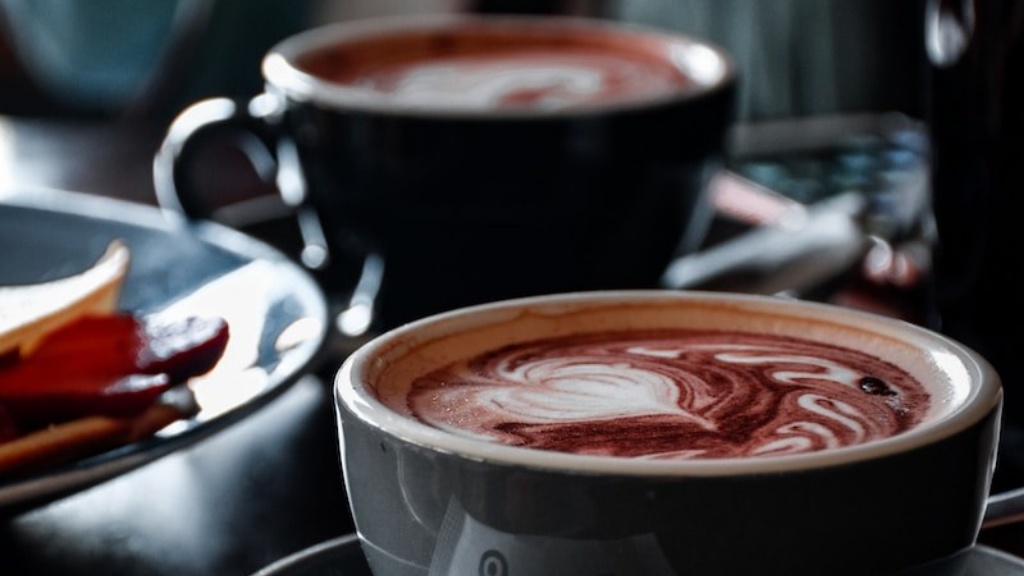
Matcha and coffee are two incredibly popular beverages. But can you drink them both? It depends on how your body reacts to the different substances. It’s important to understand the key differences between matcha and coffee and consider the effects on your body.
Coffee is a drink made from ground and roasted coffee beans. It contains caffeine, which is known to have an energizing effect on the body. Research has shown that coffee may help improve alertness, concentration, and memory. It may also have beneficial effects on heart health, reducing the risk of stroke, diabetes, and other conditions. However, too much caffeine can cause restlessness, anxiety, and an increased heart rate, so it’s important to drink coffee in moderation.
Matcha is a type of green tea that has become increasingly popular in recent years. It is derived from the Camellia sinensis plant, and like other types of tea, it is high in antioxidants. Matcha contains less caffeine than coffee, so it produces a more gentle and sustained energizing effect. Matcha also has a unique flavor and aroma, and it can be used in recipes for a variety of sweet or savory dishes.

Both matcha and coffee offer health benefits, but it’s important to know how your body reacts to each. Some people may not be able to tolerate coffee due to health conditions like hypertension or anxiety. Others may be particularly sensitive to caffeine, in which case matcha would be a better option. If you’re unsure about how your body will react to either beverage, it’s best to talk to your healthcare provider before drinking either one.
If you decide to drink both matcha and coffee, it’s important to moderate your intake. Too much of either can cause adverse reactions, so it is important to drink them in moderation and balance out the different types of caffeine. For instance, if you’re drinking coffee in the morning, it may be more beneficial to have matcha in the afternoon to get sustained energy throughout the day.
Experts recommend drinking high-quality matcha and coffee to maximize the health benefits. High-quality matcha should be a vibrant green color, and should be free from additives or other ingredients. When purchasing coffee, the higher the quality, the fewer additives and the better the flavor. Purchasing organic coffee is a great way to ensure that you’re getting high-quality beans with a great flavor.
Benefits of Drinking Matcha
Drinking matcha has a number of health benefits. Studies show that matcha has powerful antioxidant and anti-inflammatory properties, which can help reduce the risk of chronic diseases, such as cardiovascular disease and cancer. Matcha is also believed to boost immunity, improve skin health, and reduce stress. Matcha can also help to improve cognitive performance, providing mental clarity and focus.
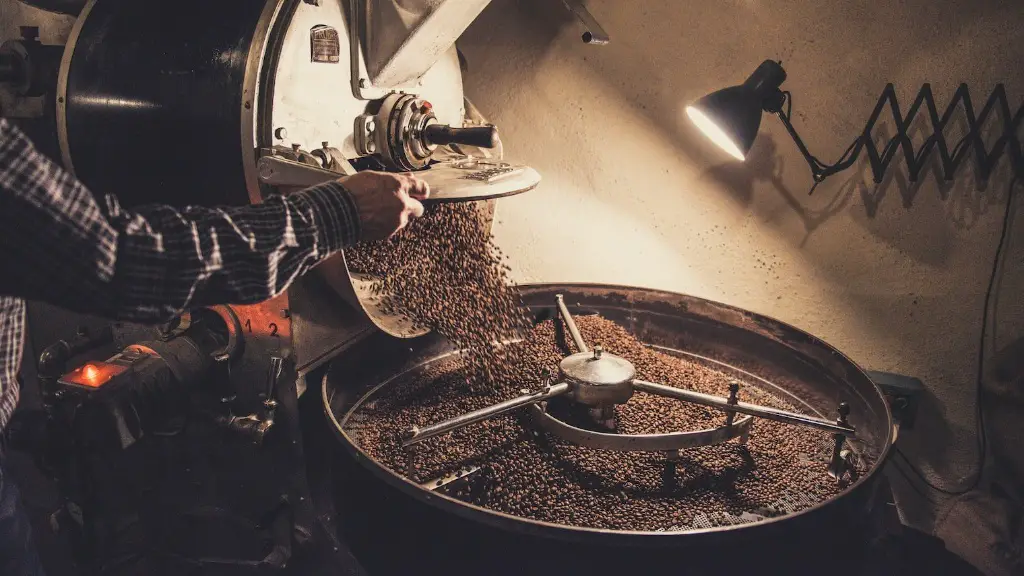
High-quality matcha is also a great source of vitamins and minerals, such as vitamin A, vitamin C, and zinc. Drinking 1-2 cups of matcha per day can help to replenish essential vitamins and minerals, which can help to improve overall health. Matcha is also a great source of fiber, which can help to keep your digestive system healthy.
Benefits of Drinking Coffee
Coffee has also been linked to a number of health benefits. Multiple studies have shown that drinking coffee can reduce the risk of cardiovascular disease, type 2 diabetes, and certain types of cancer. Coffee consumption has also been linked to improved cognitive performance, increased energy levels, and lower risk of depression and anxiety.
Another benefit of drinking coffee is that it can help to boost your metabolism, which can lead to weight loss. The combination of caffeine and other compounds found in coffee can help to increase your metabolic rate, which can burn more calories throughout the day. Adding a small scoop of high-quality protein powder to your coffee can further boost your metabolism.
Risks of Drinking Matcha and Coffee
Although matcha and coffee can be beneficial, it is important to understand that too much of either can have adverse effects on your body. Caffeine can be addictive, and drinking too much can cause restlessness, irritability, and difficulty sleeping. Too much caffeine can also increase blood pressure and heart rate, so it is important to drink matcha and coffee in moderation.
It is also important to buy high-quality matcha and coffee. Low-quality matcha may contain residues from harmful pesticides, while low-quality coffee may contain artificial flavorings and sugars. Buying organic matcha and organic coffee can help ensure that no harmful residues are present in either beverage.
Personal Opinion
In my opinion, both matcha and coffee can be a healthy part of a balanced diet and lifestyle. They both offer health benefits, but it is important to understand how your body reacts to them before drinking either one. I feel that it is important to drink high-quality matcha and coffee in moderation in order to maximize the positive effects and minimize any potential adverse effects.
Additional Questions to Consider
When considering whether or not to drink matcha and coffee, there are a few additional questions to take into consideration. Are you looking to increase your energy levels? Do you want to improve your cognitive performance? Are you looking for a more gentle effect? Understanding your needs can help you decide which beverage is best for you.
Alternatives to Matcha and Coffee
If you decide that neither matcha nor coffee is right for you, there are a number of other beverages that can provide energy and health benefits. Herbal teas, such as green tea, ginger tea, and peppermint tea, are great alternatives to matcha and coffee. For coffee drinkers, there are also decaffinated coffee options, cold brew coffee, and other types of energizing beverages.
The Bottom Line
In the end, it is up to the individual to decide whether or not to drink matcha and coffee. Both beverages offer health benefits, but it is important to understand how your body reacts to caffeine and choose the beverage that works best for you. For those looking to drink both beverages, it is important to remember to drink them in moderation for optimal health.
