
Caffeine and Its Benefits on Exercise
Caffeine is considered as one of the most commonly used supplement consumed by athletes and gym-goers before and during exercise. It is believed to help enhance people’s performance and improve alertness, concentration, and reaction time. The most popular types of caffeine consumed by athletes and active people are coffee, tea, and energy drinks, with coffee being the most highly preferred.
Coffee, especially, is popular not just because of its taste but for the many benefits it provides for people who engage in physical activities. Caffeine acts as a stimulant that increases alertness and reduces fatigue, thereby allowing people to exercise for longer and improve their overall performance.
According to a study by the National Institutes of Health, caffeine increases both aerobic and anaerobic dose response, being particularly helpful during endurance activities. It is able to enhance performance by mobilizing fatty acids from the fat tissue, which serves as an energy source during exercise.
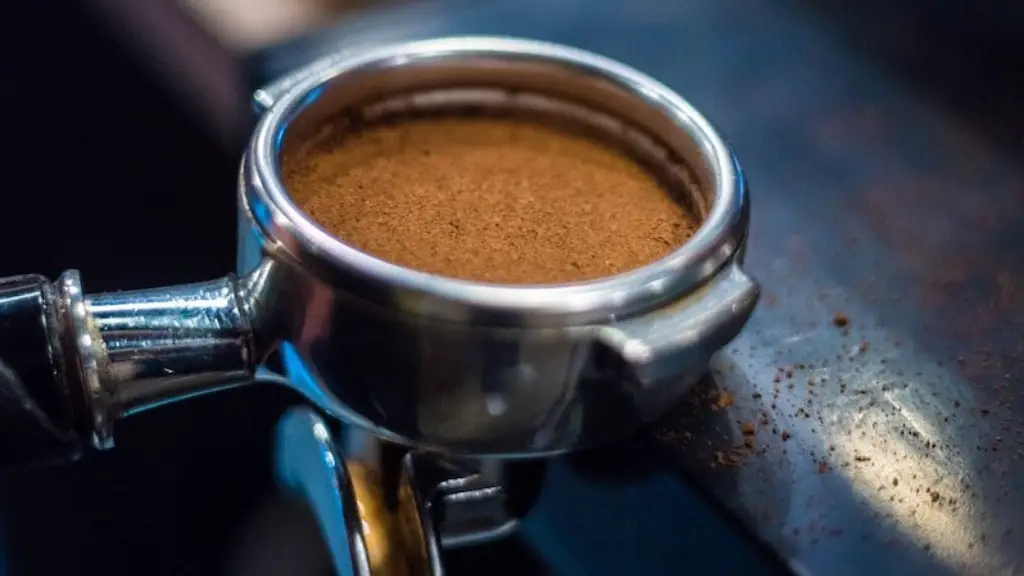
Apart from its physical performance-enhancing effects, caffeine provides numerous other benefits in the health and fitness sector. It has been known to improve concentration, reaction time and alertness, as well as reduce muscle pain after exercise. Additionally, caffeine can also increase thermogenesis, or the process in which the body produces heat, which helps the body to burn more calories.
Experts have long suggested that coffee is a good pre-workout drink. Many athletes and gym-goers can attest to the benefits of consuming coffee before exercising, especially during long and intense workouts. In fact, some athletes even believe that they are unable to function properly and efficiently in their training routine without a cup of coffee beforehand.
To maximize the performance-enhancing effects of caffeine and coffee, it is best to consume it 1-2 hours before the workout at a dose of 2-3 mg of caffeine per kilogram of bodyweight. This can vary, however, depending on the person’s sensitivity to caffeine and weight. It is also important to note that while caffeine in coffee can provide certain performance benefits, it is still important to maintain proper dietary and hydration practices, especially during exercise.
Drinking Milk Coffee Before Workout
In recent times, milk coffee has become increasingly popular among athletes and active people who wish to reap the benefits from coffee but are unable to tolerate its intense flavour. Milk coffee is basically just coffee that is mixed with milk, typically cow’s milk, to counter its bitter taste and enhance its texture.

Milk coffee shares the same performance-enhancing benefits of regular coffee. Its stimulant effects can help to increase alertness and reduce fatigue, allowing people to power through workouts or intense activities. Milk coffee still falls under 2-3 mg/kg of caffeine per dosage, which is enough to yield the desired benefits without causing any adverse side effects to the body.
Milk coffee can be a great alternative to regular coffee, especially for people who are looking to not only increase their performance but also improve the taste of their favourite pre-workout drink. Additionally, the extra milk helps to provide the body with extra energy and nutrition during the exercise.
Most importantly, milk coffee does not contain any of the naturally-occurring sugars that are often found in energy drinks or other caffeinated beverages. This makes it a great way to get mental alertness and boost performance without loading up on unnecessary sugars and additives.
Therefore, milk coffee can indeed be a great pre-workout drink choice for athletes and active people who are looking for a better-tasting and more efficient option for before their workouts.
Considerations and Precautions

While milk coffee can provide several performance benefits and a better taste, there are still some considerations and precautions that should be made when consuming it.
First and foremost, it is important to note that since milk coffee is essentially just coffee, it can still cause some unfavorable reactions depending on one’s sensitivity to caffeine. Caffeine can cause dehydration and irregular heartbeat, although this is typically experienced at larger doses. Therefore, it is best to only consume 2-3 mg/kg of caffeine before the workout and to stay hydrated throughout the exercise routine.
Additionally, milk coffee may also not be the best pre-workout choice for those who are lactose intolerant as it may cause digestive issues. In such cases, it is best to look for pre-workout alternatives that are free from lactose, like those found in energy drinks.
Finally, it is also essential to be mindful of allergens and additives when consuming milk coffee. Some milk coffee brands may contain certain food allergens like soy or gluten, as well as artificial flavours and preservatives. Therefore, it is important to be aware of the ingredients of milk coffee before consuming it.
Benefits of Milk Coffee as a Pre-Workout Drink

To sum up, milk coffee can be a great pre-workout drink for athletes and active people who are looking to reap the performance-enhancing effects of caffeine without the strong and bitter taste of regular coffee. It provides the same benefits as coffee and can even be better since it comes with a smoother and creamier taste, as well as added nutritional benefits from the milk.
Milk coffee, however, is not without its own considerations and precautions. It is important to be aware of potential coffee-induced side effects, as well as food allergens and other additives that may be found in milk coffee.
Therefore, it is recommended to consume milk coffee mindfully, keeping in mind its stimulant effect and one’s sensitivity to caffeine. If taken properly, it can be a great and delicious pre-workout drink choice.
Alternative Pre-Workout Sources
Apart from coffee and milk coffee, there are also other great pre-workout drinks that one can consider such as energy drinks, pre-workout supplements, tea, and green juices.

Energy drinks are a great way to get a boost of caffeine when engaging in physical activities. Most of these beverages contain about 80 mg of caffeine per serving, making it a good pre-workout drink for those who are highly sensitive to caffeine. It is important to note, however, that apart from the caffeine, most energy drinks also contain added sugars and additives that can be unhealthy when consumed in large amounts.
Pre-workout supplements are also a popular pre-workout choice. These supplements typically contain various ingredients that are intended to enhance performance and provide energy, such as creatine, B vitamins, and caffeine. It is important to read the ingredient list and warnings before consuming pre-workout supplements, however, since some of them may contain prohibited substances and banned ingredients.
Tea is also a great pre-workout option, especially if one is looking for a more natural way to fuel their workout routine. Green tea, in particular, is considered as the best pre-workout drink for athletes and gym-goers because of its caffeine content and antioxidants.
Finally, green juices are a great way to provide the body with essential nutrients and vitamins before the workout. These juices often contain fruits and vegetables that are high in antioxidants, vitamins, and minerals that can provide numerous health benefits, not just for the pre-workout but for the entire exercise routine as well.
Conclusion
In short, milk coffee can indeed be a great pre-workout drink choice for those who are looking for the performance-enhancing benefits of caffeine without its strong and bitter taste. It is important, however, to be mindful of potential side effects and the ingredients of the particular milk coffee one is consuming.
Additionally, there are other great pre-workout drink options such as energy drinks, pre-workout supplements, tea, and green juices that one might want to consider depending on their particular needs and preferences.
