Health Reasons for Not Drinking Old Coffee
When brewing coffee, there are various factors to consider to make sure that the cup of joe you’re sipping is at its best. Temperature is important, as is the freshness of the beans. Unfortunately, these factors may also be negated if we don’t pay attention to the date we brewed the coffee. Old coffee, with its anemic flavor, can be an unpleasant surprise, which is why it is important to pay attention to how long the beans have been sitting out.
But the answer to the question, ‘can one drink old coffee’, goes beyond the taste aspect. It is important to be aware of the health risks posed when drinking old coffee. let’s look at some of the important factors to consider.
According to experts, one of the main concerns when it comes to drinking old coffee is the increase in bacteria present in the drink. Over time, this bacteria can grow, posing a risk to our bodies. Furthermore, not only can the flavor of the drink be affected, but the aroma will also start to diminish as the beans become stale. as the beans decompose, precious vitamins and minerals found in the beans also start to diminish, thus affecting the potential health benefits.
In addition to the bacteria, the acid content of old coffee can increase. This increase can result in stomach problems for those particularly sensitive. The taste of the coffee can also be compromised, as more bitterness will begin to surface the longer its been sitting out.
So what are the general rules for drinking coffee when it comes to its shelf-life? Generally, it is recommended that coffee beans that have been ground be consumed within fifteen days. For whole beans, the rule of thumb is thirty days. If kept in an airtight container and properly prepped, once opened this rule still stands. For an ideal cup of coffee, it is best to always ensure the beans are fresh.
Preparing Old Coffee
Just because the answer to the question ‘can I drink old coffee’ is not obviously clear, it doesn’t mean that coffee beans that have hit their expiration date should be discarded. There are various ways to prepare coffee beans in order to reduce the impact of its age. For example, investing in a top-quality burr grinder, as opposed to one of the blade grinders on the market, can help to bring back a little life to these older beans. This is because the evenness of a burr grinder allows for better extraction from the coffee grounds, thus bringing back some of the composition which diminishes with time.
In addition, using a French press or Moka pot can produce a cup of coffee with an aroma and flavor that are quite acceptable, even with somewhat old beans. This is because the flavor of an older bean is typically dominated by the bitterness of its acidic composition, and these brewing methods help to produce a more robust cup.
The Impact of Storage on Old Coffee Beans
Another factor that should be considered when discussing old coffee beans is the storage process. Coffee beans are at their peak when they are stored in an airtight container that is airtight, away from direct light and other heat sources. Generally, experts recommend storing coffee beans in a sealed mason jar in the refrigerator in order to preserve them.
Furthermore, exposure to moisture should be avoided when storing coffee beans. If the beans do become too moist, crystallization will take place, trapping all of the flavor of the beans inside. In this case, the beans should be discarded. Storing coffee beans in the refrigerator can prevent this from occurring.
Data on Old Coffee Consumption
Data from various studies indicates that the answer to the question ‘can I drink old coffee’ is yes, but it should be done with caution. According to a survey by the National Coffee Association, 42 percent of surveyed Americans drink cold brew coffee because of its convenience, regardless of the age of the beans. Moreover, studies have found that cold brew coffee is preferred, regardless of the beans being fresh or not, up to two weeks. After two weeks, the flavor and freshness of the beans begin to deteriorate, making it less appealing.
Another survey conducted by the National Coffee Association also indicates that most people around the globe feel ok with drinking coffee that has been sitting out for a while. Forty-two percent of the surveyed said they were ‘ok’ with drinking coffee that has been sitting out for 12 hours or more, while 32 percent said they were ‘ok’ with drinking coffee that has been sitting out for 24 hours or more.
Simplifying the Process of Brewing Coffee
Answering the question ‘can I drink old coffee’ requires more than just the data on its past consumption, but also takes into consideration the brewing process and other related efforts. To make sure one is always drinking the freshest cup of coffee, it should be noted that there are various tools on the market that make the brewing process easier. From automatic coffee makers, to electric kettles, these tools automate the process of brewing, making it more accessible for those that are not so experienced.
Furthermore, electric grinders can be great investments in order to make sure one is always getting the freshest cup of coffee. As compact and stalwart companions, these machines can grind your coffee beans quickly and efficiently. This not only results in a fresh cup, but also gives you control over the coarseness of the grind for whatever brewing method you are using.
Effects Of Old Coffee On the Sight and Smell
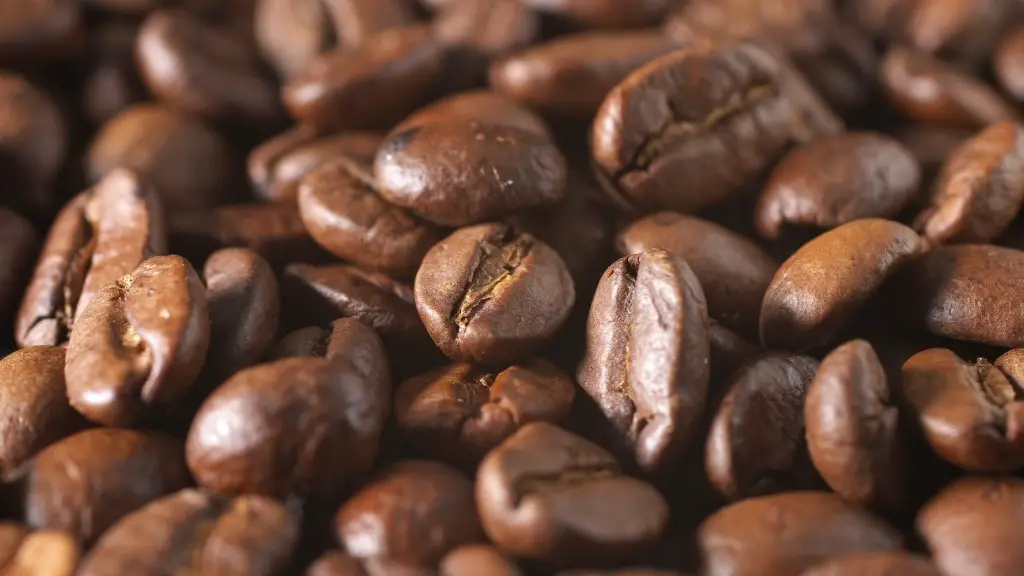
Apart from its potential health implications, there is a physical aspect of coffee that can become compromised when it has been sitting out for too long. As coffee beans age, they tend to lose their dark color, becoming grey and paler. This transformation affects not only the sight of the beans, but also the smell of the coffee. The aroma of the coffee will become dull, with a faint smell remaining.
So how can one tell the age of a bean? Upon examination, the bean’s color will be the first tip-off, with fresh beans appearing deep with a glossy sheen. Aroma is also key, and this can be detected by gently crushing between the fingers. Any little aroma will indicate that the beans are old, while a vibrant and strong smell will indicate that the beans are still fresh.
Using Natural Products To Preserve Coffee Beans
When considering how best to preserve coffee beans, it is important to remember that old does not necessarily mean bad. With the right tools and the help of natural products such as vinegar or lemon, you can revive the life of your old beans. These products are safe and effective in helping to eliminate bacteria, a natural process that helps the coffee beans stay vibrant for a longer period of time.
It is also important to remember that coffee beans can be frozen, either in the form of beans or grounds. The key to this process is to put the coffee into an airtight container so that its integrity remains intact. Furthermore, it is important to always let the coffee thaw before consumption, as moisture can lead to crystallization.
The Final Verdict
So can you drink old coffee? Technically, yes, but it is important to understand the inherent risks when doing so. From the increase in bacteria and acidity, to the loss of flavor and aroma, drinking old coffee can lead to a lackluster cup. Furthermore, there are potential stomach concerns for those that are particularly sensitive. When consuming old coffee, it is best to find something to mask its age, such as a French press or Moka pot, or even using natural products to preserve it.
How Old Coffee Impacts Taste and Flavor
When it comes to the question of “can I drink old coffee”, taste and flavor should always be considered. As one of the key factors to a great cup of joe, the age of the beans will surely have an impact on the quality of the drink. At first, there will be no hint of change in the taste, as the caffeine content will be still relatively high. Eventually, however, the flavor of the drink will start to suffer, as the flavor of the beans will begin to fade. The bitterness of the acidic content will start to emerge, as the individual notes of the bean will become muted.
Unfortunately, the molecules that make up the flavor of the beans eventually break down, making the aroma of the coffee duller. As the molecules break down within the beans, the aroma along the sweetness of the beans start to disappear. This is when it really becomes clear that the beans are old, and only then should one decide if they still want to drink it.
Caffeine Content of Old Coffee
Beyond taste and flavor, the level of caffeine will also decrease in old coffee, meaning those that rely on coffee for their morning jolt may need to look elsewhere. Even so, there may still be enough caffeine left in the old coffee to give some alertness and energy, though it may be insufficient for some. In particular, those with a higher caffeine tolerance likely will not get the same energy boost they’re accustomed to. This is why it is important to consider the age of the beans when consuming coffee.
Moreover, while the caffeine level within old coffee is still relatively high, experts note that combining it with sugar or dairy products, such as milk or cream, can make the taste more bearable. This way, although the taste may still be unpleasant, it will be at least sweet. Furthermore, adding a sweetener such as honey or even a pinch of salt can help improve the taste of coffee and open up the flavor so it is more enjoyable.
Answers to Common Questions
When addressing the question ‘can I drink old coffee’, it is important to understand the risks posed to both the body and the taste of the drink. A key factor to consider is the age of the beans and the brewing process in order to maximize the potential of these older beans. Furthermore, storage plays an important role in making sure coffee beans do not reach their expiration date. Finally, it is important to remember that with the right knowledge on how to revive them, old and stale coffee beans can still be used to make palatable coffee.
