
Intermittent fasting has been a popular trend recently, with many proponents of the fasting diet claiming it can help individuals lose weight and achieve optimal health. In order to make the most of intermittent fasting, it’s important to understand the restrictions placed on beverage intake. People may be wondering, can I drink tea or coffee during intermittent fasting?
The answer is yes, drinking tea and coffee is allowed while on an intermittent fasting regime. Firstly, it is important to understand what intermittent fasting entails. Intermittent fasting is a diet plan where individuals only consume food within a certain window of time, usually 8-10 hours.[1] This type of diet is thought to be an effective way to decrease weight and overall improve health.
When it comes to enjoying tea or coffee while adhering to an intermittent fasting program, there is some controversy among experts. On one hand, tea and coffee both contain caffeine, which is a stimulant known to cause increased alertness and energy. Because of this, it is possible that caffeine could counteract the benefits of intermittent fasting. However, research has shown that drinking either tea or coffee during a fasting window does not interfere with weight loss or metabolic improvements.[2]
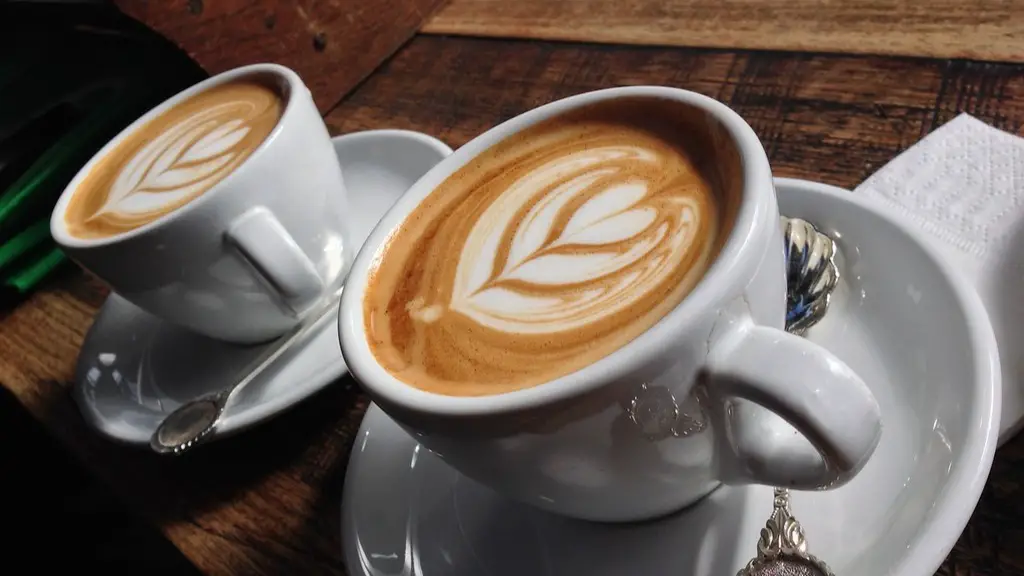
Another factor to consider is the amount of sugar and milk added to tea or coffee. The American Journal of Clinical Nutrition recommends adding a maximum of 10 TOTAL calories per cup of tea or coffee to ensure that a person does not break their fast. Consuming more than these 10 calories can interfere with the benefits of intermittent fasting. Additionally, some experts suggest avoiding sweetened beverages or milk during intermittent fasting as these drinks alter the nutrient absorption of the body. [3]
Despite the aforementioned restrictions, drinking tea and coffee during intermittent fasting is a perfectly acceptable practice. Both tea and coffee are rich in antioxidants and minerals, which are beneficial for overall health.[4] Furthermore, drinking tea or coffee during fasting can help reduce hunger cravings and suppress appetite, making fasting easier and more pleasant. [5]
Tea
Tea is a beverage made from the infusion of leaves, stems, and other plant compounds in hot water. It is renowned as one of the healthiest “comfort” drinks in the world. Tea is a great option for someone on an intermittent fasting diet as many varieties are naturally low in calories. Green tea for instance only contains 2 calories per cup, making it an ideal refreshment during a fast. Additionally, tea contains powerful antioxidants that can help fight inflammation, improve digestion and boost immunity.
Herbal and rooibos teas are sugar free and caffeine free, making them ideal for those with a sensitivity to caffeine. Furthermore, studies suggest that herbal and rooibos teas can help treat night time snacking cravings by curbing appetite and promoting relaxation. [6] Overall, tea is a great option for intermittent fasting if the individual’s calorie intake is monitored and only natural, unsweetened beverages are consumed.
Coffee
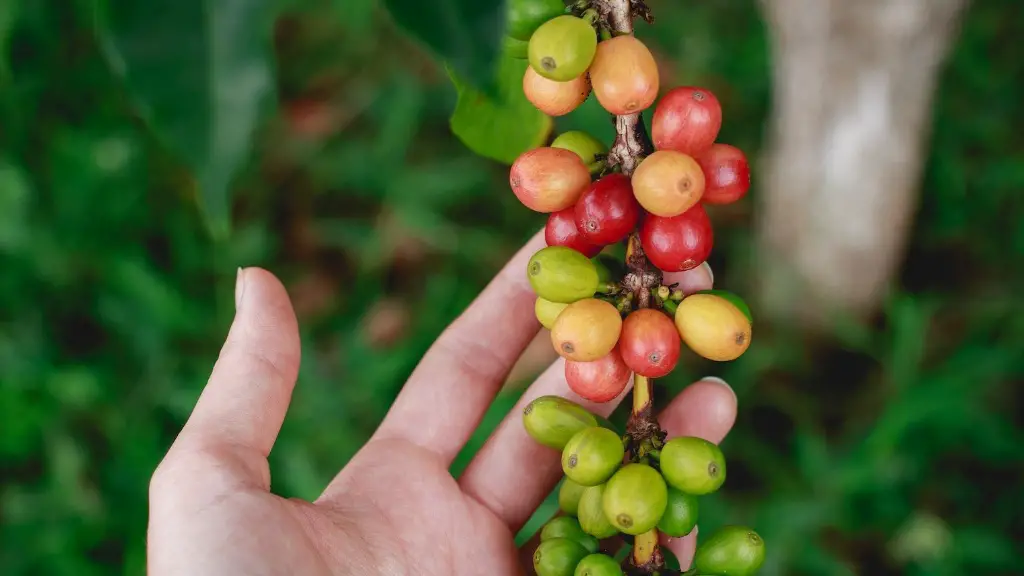
Coffee is one of the most popular brewed beverages worldwide, second only to tea. Coffee is known for its energizing effects due to its high caffeine content. The caffeine in coffee also can be beneficial during intermittent fasting as it helps one stay alert and energized while fasting. Additionally, when black coffee is made with no sugar and minimal calories, drinking it during an intermittent fasting period is acceptable.
Coffee is also a great source of antioxidants, which can help protect against cancer and heart disease. Additionally, studies suggest that regular coffee consumption may lead to a decreased risk of developing type 2 diabetes and Alzheimer’s disease. [7] To maximize the benefits of drinking coffee during intermittent fasting, it is important to avoid sugary cappuccinos and mochas. Instead, stick to black coffee or coffee made with almond milk or low-fat milk.
Intermittent Fasting and Caffeine
Whether tea or coffee is more beneficial while intermittent fasting is a source of debate. It is important to consider one’s own sensitivity to caffeine when making a beverage choice. For those who have difficulty reducing caffeine intake, it may be best to keep tea and coffee consumption to a minimum. Additionally, excessive consumption of either beverage may lead to dehydration and excess calorie consumption, thus interfering with the goals of intermittent fasting.
In conclusion, drinking tea and coffee is allowed during an intermittent fasting regime. As with all drinks, it is important to strictly adhere to recommended calorie consumption for optimal results. Furthermore, drinking coffee or tea in moderation can help improve the experience of intermittent fasting, as both beverages can help curb hunger and reduce cravings. Everyone’s body is different, however, so it is important to monitor how much caffeine consumption is best for individual’s health.
Considerations to Drinking Tea and Coffee During Intermittent Fasting

When drinking tea or coffee during intermittent fasting, there are a few considerations to keep in mind:
- Drink tea and coffee without any added sugar or milk to ensure your fasting window is uninterrupted.
- Caffeine has a stimulating effect and can interfere with the benefits of intermittent fasting. Monitor caffeine intake to ensure maximum benefit.
- Herbal teas like rooibos tea are a great choice for individuals who are sensitive to caffeine.
- Black coffee with no sugar is a great option for those who enjoy a strong cup of coffee.
- Drink tea or coffee in moderation to ensure optimal hydration.
Nutrient Benefits of Tea and Coffee
Whether drinking tea or coffee during intermittent fasting, it is important to be aware of the benefits of both. Tea and coffee are both high in antioxidants and minerals, which can help reduce inflammation, improve digestion and bolster immunity. Additionally, herbal teas and coffee are known to help reduce stress, fight fatigue and improve concentration. [8] Here are a few of the primary nutrients found in tea and coffee and their benefits:
- Polyphenols: Polyphenols are a type of antioxidant that may help reduce inflammation, reduce risk of cancer, and improve cognitive function.
- Chlorogenic Acid: Chlorogenic Acid is a polyphenol antioxidant found primarily in coffee and known for its anti-cancer and anti-inflammatory benefits.
- Quercetin: Quercetin is a polyphenol found in many teas, known for its ability to reduce inflammation, improve cardiovascular health and increase cognitive performance.
- Coffee Nutrients: Coffee is a great source of essential vitamins and minerals, including iron, phosphorus, magnesium, and B Vitamins such as Riboflavin and Thiamine.
Safety Concerns When Drinking Tea and Coffee During Intermittent Fasting
When considering drinking tea or coffee during intermittent fasting, it is important to be aware of the possible risks. Consuming beverages with high sugar content or added calories can lead to excessive calorie consumption – this could result in weight gain or other adverse effects. Additionally, caffeine is a stimulant and can lead to dehydration and jitteriness. Therefore, it is important to limit caffeine intake and stay hydrated to maximize the benefits of intermittent fasting.
Drinking herbal teas or minimally sweetened coffee is an excellent way to maximize the effectiveness of intermittent fasting. When drinking tea or coffee, individuals must ensure their calorie intake does not exceed 10 calories per cup. Additionally, drinking plenty of water throughout the day is important to ensure adequate hydration.
