
Caffeine & GERD
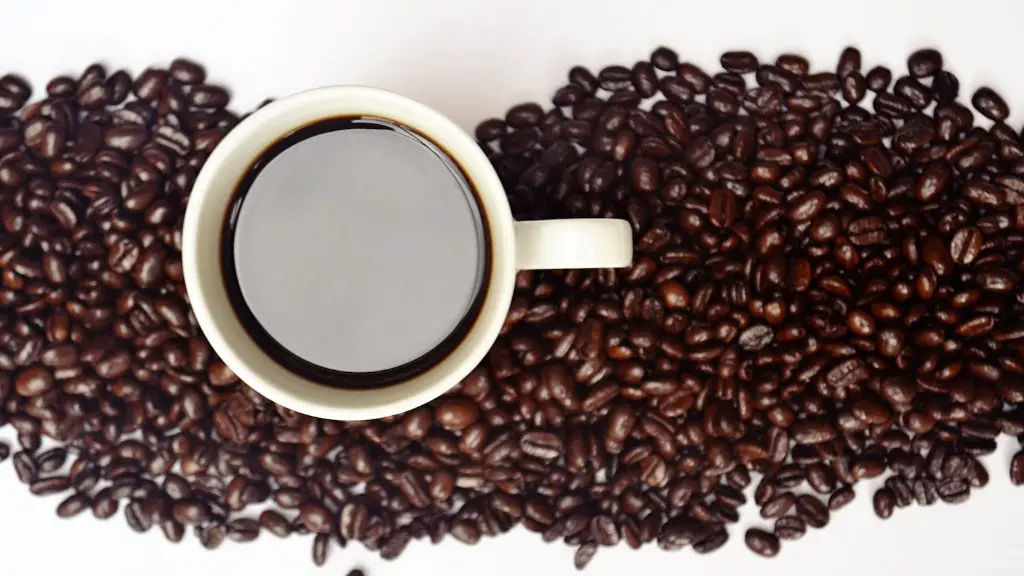
Caffeinedrinks like coffee, tea, and energy drinks are a popular morning ritual, but for those with GERD (Gastroesophageal Reflux Disease), the compounds in caffeine can accelerate the process of stomach acid irritating the esophagus. Caffeine is commonly seen as a trigger for certain individuals with GERD.
GERD is a digestive disorder that affects the lower esophageal sphincter (LES). The LES is responsible for keeping stomach acid in the stomach. When it fails to do its job, stomach acid is free to flow back up into the esophagus, causing an acidic burning sensation in the chest known as acid reflux. GERD symptoms can vary in levels of intensity and it is considered chronic when it occurs more than twice a week.
Caffeine can have a relaxing effect on the LES. This means that in someone with GERD, caffeine can further weaken the muscles in the lower esophageal sphincter, making it easier for stomach acid to escape. This can lead to worsening GERD symptoms like heartburn, chest pain, and difficulty swallowing.

Caffeine can also act as an irritant in the stomach, causing it to produce more acid. This can lead to increased stomach discomfort and nausea which can exacerbate GERD symptoms. Additionally, coffee and tea contain certain compounds like tannins and N-alkanoly-5-hydroxytryptamides that can irritate the stomach lining.
Researchers have studied the effects of caffeine on GERD for many years and results have been mixed. While for some individuals caffeine may be a trigger for GERD, for many people, caffeine does not seem to worsen their symptoms. However, even if caffeine does not worsen GERD symptoms, it is important to limit caffeine intake as it can be a contributing factor to other digestive problems like irritable bowel syndrome.
If you suspect caffeine might be contributing to your GERD symptoms, it is best to talk with your doctor. He/she can help identify triggers and craft an individualized care plan to help reduce and manage your symptoms. Your doctor can also provide other helpful tips to living with GERD, such as avoiding large or late meals, eating smaller, more frequent meals, and cutting back on spicy or acidic foods.
Alternative Drinks for GERD
Fortunately, there are a number of decaffeinated beverages that can be enjoyed for those who suffer from GERD. Alternatives like herbal tea and decaf coffee are good alternatives, as well as milk and almond milk. Another option is to try drinking a glass of water, as drinking fluids can help wash down any irritating stomach acid and keep the body hydrated. Coconut water is a great option as well, as it is naturally low in acid and high in electrolytes.

Herbal teas like chamomile, peppermint, or ginger can also provide some relief to GERD sufferers. These are thought to have calming effects on the digestive system and may help reduce acid reflux. Beyond the calming effects of these teas, many offer a variety of other health benefits as well.
For those who need the energy boost of caffeine, there are still options. Low-acid coffees are becoming increasingly popular and are available from many specialty coffee shops. Low-acid coffee is made from roasted beans that are specially treated so that their pH level is lower. This results in a cup of coffee with a gentler flavor and less of a chance of irritating the stomach lining.
GERD and Lifestyle Changes
Beyond limiting caffeine, there are other lifestyle choices that can help manage GERD symptoms. Stress is an important factor to consider, as it can worsen GERD symptoms. Try reducing stress with relaxation techniques and cutting back on unhealthy habits like smoking and drinking alcohol. Additionally, keeping regular mealtime schedule and eating smaller, more frequent meals can help reduce GERD symptoms.
Excess abdominal fat can also play a role in increasing the risk of suffering from GERD. Maintaining a healthy weight is an important aspect of managing GERD. Regular exercise can help not only with weight loss, but stress relief and better overall health. Developing a regular exercise routine can provide a wide range of health benefits, from increased metabolism to reduce the risk of chronic illnesses.

Finally, certain foods can aggravate GERD symptoms and should be avoided. Foods high in fats, spicy foods, and acidic fruits and beverages are all triggers for GERD. While the exact foods that tend to trigger GERD symptoms can vary from person to person, in general it is wise to avoid these types of food and drinks.
Dietary Changes For GERD
In order to better manage GERD symptoms, it may be helpful to keep a food and beverage diary. Write down what you eat, when you ate it, and any symptoms experienced afterward. This will allow you to create a clearer picture of the triggers that may be making your GERD worse. Additionally, reducing the amount of food per meal and increasing the frequency of meals may be helpful in reducing GERD symptoms.
There are also certain dietary changes that may help address GERD symptoms. Eating a diet high in soluble fiber can help reduce GERD symptoms. Vegetables, fruits, and whole grains are all good sources of soluble fiber. Additionally, lowering the total amount of dietary fat can be beneficial, as the consumption of fatty foods can increase GERD symptoms. Refraining from eating at least three hours before bedtime can also help reduce GERD flare-ups.
Other dietary changes that may be helpful include avoiding smoking and alcoholic beverages. Lowering the consumption of caffeine should also be considered, as it can relax the LES and increase the likelihood of stomach acid escaping. Finally, drinking fluids between meals can help wash away any stomach acid that may have escaped into the esophagus.
Medications To Treat GERD

As mentioned earlier, some people may find relief from GERD through lifestyle and dietary changes, while others may need medications to treat the condition. Many types of drugs are available to treat GERD. Over-the-counter medications such as antacids can help reduce stomach acid production. Additionally, prescription medications like proton pump inhibitors (PPIs) and H2 receptor antagonists can also provide relief from GERD symptoms.
PPIs are medications designed to reduce the production of stomach acid, providing relief from GERD symptoms. H2 receptor antagonists, often referred to as histamine blockers, work by blocking the action of histamine, which stimulates the production of stomach acid. They are usually taken before meals and are available in both prescription and over-the-counter varieties.
Alternative therapies are also available for those looking for a more holistic approach to treating GERD. Herbal supplements like chamomile, ginger, and peppermint can help reduce GERD symptoms. While not a likely cure, home remedies such as apple cider vinegar or baking soda may also offer some relief as well.
GERD Symptoms
It is important to note that GERD symptoms can range from mild to severe and they can be hard to distinguish from other types of digestive problems. It is important to discuss any long-term digestive issues with your doctor, as the symptoms of GERD can be similar to other conditions, such as heart attack and gallbladder disease. The most common GERD symptom is a burning sensation in the chest, known as heartburn.
Other common GERD symptoms include acid reflux, chest pain, difficulty swallowing, frequent burping, and regurgitation. Some people may also experience pain in the chest or even the throat or throat clearing. GERD can also cause stomach bloating, nausea, and vomiting.
It is important to bear in mind that not every case of GERD is the same and what helps one person may not help another. If you are suffering from any of the above symptoms, talk to your doctor about possible GERD treatment options.
Living With GERD
For many, the best way to effectively manage GERD is to make lifestyle changes. These can include losing weight, avoiding certain trigger foods, and not eating too close to bedtime. Limiting caffeine intake, particularly in the morning and evening, can also be beneficial in reducing GERD symptoms.
It is also important to keep in mind that GERD is a chronic condition and there is no one-size-fits-all solution. Working with your doctor to create a personalized treatment plan is the best way to manage GERD symptoms. This may include dietary modifications, lifestyle changes, home remedies, or medications.
Finally, it is equally important to remember to have patience with the process. Lifestyle changes can take time to take effect and medications may need to be adjusted to reach the right dose. It is important to stay consistent and be proactive in addressing any changes and following up with your doctor or health care provider.
