
Parents often ask if it is safe to give decaf coffee to their toddler. It is an understandable concern due to the amount of caffeine in regular coffee. The answer is that, as with anything, moderation is key and it is wise to adhere to age-appropriate guidelines. However, with that said, we need to be aware that allowing children as young as two years old to drink decaf coffee can still pose safety risks.
Caffeine is classified as a stimulant that is naturally found in coffee beans and is the most consumed psycho-stimulant in the world. Caffeinated drinks are available in many forms and drinks such as colas, energy drinks and certain iced teas have high amounts of caffeine and can be particularly dangerous for children. On the other hand, decaffeinated coffee has much less caffeine and is an option for those looking to avoid the psychoactive effects of caffeine.
A large body of research points to potential adverse effects of caffeine consumption, especially in children and adolescents. Caffeine affects a child’s brain development, nervous system and metabolism and can affect the heart, skeletal muscles, sleep and behaviour. The literature suggests that moderately high intake of caffeine can result in sleeping difficulties, restlessness and agitation.

Given this, health experts generally advise against consuming any sort of caffeine and energy drinks for children younger than 12 years. However, some may argue that small amounts of caffeine found in decaffeinated coffee can be beneficial for children. Studies suggest that low caffeine intake, when taken in moderate amounts, can be beneficial to children. In addition, recent research suggests that caffeine can help increase alertness, improve concentration, and boost cognitive performance in children.
It is important to note that regular coffee has much higher levels of caffeine than decaf coffee and should be avoided for children of any age. This is due to the fact that consumed in large quantities caffeinated beverages can cause caffeine toxicity, leading to vomiting, diarrhoea, restlessness, and irregular heartbeats. In extreme cases, it can even lead to death.
Therefore, if you do decide to let your two-year-old have decaf coffee, be sure to stick to age-appropriate guidelines and avoid the excessive consumption of any caffeinated drink. Moreover, it is important to monitor your child and regularly check on their behaviour and sleeping habits. As with any food or beverage, it is important to provide moderation and understand the potential risks associated with caffeine consumption.
Nutritional Benefits of Decaf Coffee
Though it has low levels of caffeine, decaf coffee still provides various health benefits. It contains minerals, including magnesium and potassium, which are important for many bodily functions, as well as other beneficial compounds such as antioxidants and anti-inflammatory compounds. These compounds can help protect against certain diseases, such as heart disease.
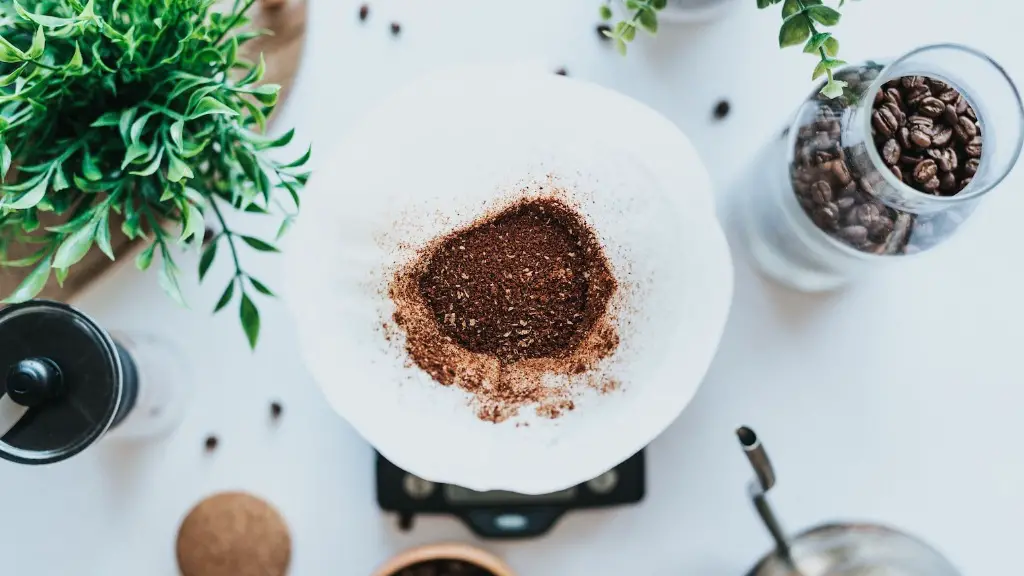
Decaffeinated coffee also contains other important vitamins and minerals such as thiamine, folic acid, and riboflavin, which are essential for growth, development, and the proper functioning of your body’s organs. In addition, decaffeinated coffee contains healthy sources of dietary fiber, which may help reduce the risk of certain chronic diseases.
Consuming decaf coffee can also help reduce the risk of type 2 diabetes by controlling blood sugar levels. Additionally, decaf coffee may help reduce the risk of certain types of cancer, such as colorectal cancer. This is due to its anti-inflammatory and antioxidant properties.
Finally, decaf coffee is a great source of hydration, which can help the body maintain balance and regulate its temperature. It can even help reduce headaches, muscle pain, and joint pain. All in all, if consumed in moderation, decaf coffee can provide a variety of health benefits.
Practical Considerations for Parents
When it comes to giving decaf coffee to a two-year-old, it is important to be aware of the practical considerations. For starters, coffee is highly acidic and can cause gastrointestinal issues in toddlers. Moreover, many decaffeinated coffee drinks may still contain trace amounts of caffeine, depending on the way they were decaffeinated. Therefore, it is important to only give decaffeinated coffee drinks to your child that are certified caffeine-free.
Furthermore, it is important to note that even though decaf coffee is said to contain no caffeine, it can still contain other harmful ingredients such as sugar and artificial sweeteners, which can be dangerous to your toddler. Thus, it is important to make sure any decaf coffee drinks you provide to your child are free from these ingredients.
In addition to these considerations, it is important to also consider if giving decaf coffee to your toddler is even necessary. Generally speaking, a two-year-old should not be drinking coffee or any caffeinated drinks at all. Rather, it is recommended to provide your toddler with water, milk, and other naturally caffeine-free drinks such as herbal teas.
Risks of Decaf Coffee for Toddlers
Though decaf coffee may not contain significant levels of caffeine, there are still potential dangers associated with drinking it. For example, decaf coffee still contains acids, which can cause stomach upset and irritate the digestive system. Furthermore, decaf coffee can contain trace amounts of pesticides and other toxins, which can be harmful to your two-year-old’s developing body.
Other potential risks associated with decaf coffee include nausea, headaches, dizziness and irritability. Consuming too much caffeine can cause heart palpitations, increased blood pressure and increased body temperature. These side effects can be especially dangerous for a two-year-old and can even cause long-term health problems. Therefore, it is important to consult a pediatrician about the potential risks of giving decaf coffee to your toddler.
Safest Way to Give Coffee to Toddlers
Though giving decaf coffee to your two-year-old can present potential risks, there is an even safer way to do it. Instead of giving your toddler decaf coffee, you can try giving them caffeine-free coffee alternatives. These drinks are a great way to provide your toddler with coffee-like beverages without the risks associated with coffee.
These alternatives include chicory coffee, green coffee extract, and herbal coffees such as dandelion root coffee and chai latte. These drinks are usually made from natural ingredients, are caffeine-free, and provide similar tastes and smells you would get from regular coffee.
In addition, these drinks are usually fortified with beneficial compounds such as vitamins and minerals, as well as anti-inflammatory agents and antioxidants. These compounds can help provide your toddler with numerous health benefits, such as boosting their immunity and aiding in digestion.
Alternatives for Caffeine Intake
If you still want to provide your toddler with a caffeine-filled beverage, a better option would be to give them herbal teas. These teas contain caffeine, but the amount is significantly lower than regular coffee or other caffeinated drinks. Moreover, herbal teas are made from natural ingredients and contain beneficial compounds such as vitamins and antioxidants.

Herbal teas can aid in digestion, help boost your toddler’s immunity, and even aid in weight loss. In addition, they can provide various other health benefits, such as reducing stress, improving sleep patterns, reducing inflammation, and boosting cognitive performance.
Finally, it is important to note that you should only give your toddler these beverages in moderation. Needless to say, it is important to carefully monitor your toddler’s intake of any caffeinated drinks. Furthermore, it is best to consult with your pediatrician before introducing any caffeinated beverages to your child.
Other Beverages Safe for Toddlers
If you are looking for beverages that are safe for your two-year-old, there are many other options you can choose from. Water is always the best choice, as it contains no calories and does not contain any unhealthy ingredients.
Other drinks such as natural juices and smoothies are great for providing your toddler with much-needed vitamins and minerals. In addition, milk is also an excellent choice as it is high in protein and calcium and helps keep bones strong and healthy. Furthermore, you can also opt for naturally sweetened and healthy options such as coconut water.
It is also important to note that plain milk, like decaf coffee, still contains small amounts of caffeine. Therefore, it is important to moderate the amount of milk your toddler consumes. Overall, the key is to ensure that your toddler gets their daily hydration and nutrition from natural and healthy sources.
